
Costco Sues Administration To Guarantee Tariff Refund
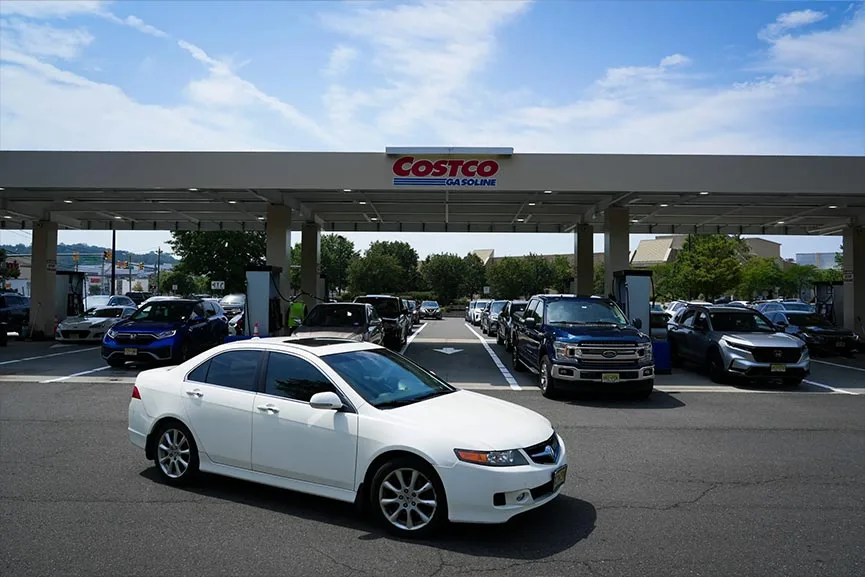
In a move that separates the wholesale giant from much of corporate America, Costco has filed a lawsuit against the Trump administration regarding its sweeping use of import taxes. While many big-box retailers have watched from the sidelines as the Supreme Court debates the legality of these measures, Costco is taking aggressive legal action to protect its bottom line.
The retailer filed a complaint with the Court of International Trade last week, arguing that if the Supreme Court strikes down the tariffs as unlawful, the company must be guaranteed a refund for the duties it has already paid.
Costco Challenges the Interpretation of Trade Law
The core of the legal battle rests on whether President Trump had the authority to levy these taxes under the International Emergency Economic Powers Act (IEEPA). Costco contends that the administration misused these emergency powers to create what is essentially a universal import tax, applying rates as high as 145% on goods from China and up to 50% on partners like Brazil and India.
The lawsuit claims that absent a legitimate “unusual and extraordinary” national security threat, these levies are invalid. By stepping into the legal ring, Costco is challenging the executive branch’s interpretation of trade law, a move that carries significant political risk in the current climate.
The administration has responded with sharp criticism, framing the lawsuit as a threat to national economic stability. President Trump has previously characterized the defense of these tariffs as vital, while a White House spokesperson emphasized the severity of the situation. Despite this pushback, the financial stakes for Costco are likely high enough to warrant the friction; failure to act could mean absorbing millions in unrecoverable costs if the trade court eventually sides with importers but the refund mechanism is closed.
Costco Lawsuit is a Bold Move
This bold strategy carries the potential for political blowback, a reality other corporations know well. Amazon previously faced the administration’s ire after reportedly planning to show customers exactly how tariffs influenced pricing, a move the White House labeled a “hostile and political act.”
Ultimately, even a victory in court guarantees nothing regarding how a refund process would actually function. During oral arguments, Supreme Court Justice Amy Coney Barrett candidly noted that the process of refunding billions of dollars to various importers could be “a mess.” With tens of billions of dollars in play, and the Supreme Court’s decision pending, the retailer is simply trying to secure its place in line. By refusing to wait for a final verdict, Costco has signaled that it is unwilling to leave the fate of its finances to bureaucratic chance.
Key Takeaways from the Dispute
- Legal Action: Costco sued the Trump administration to secure the right to refunds if current tariffs are ruled unlawful by the Supreme Court.
- The Argument: The lawsuit contends the President misused the International Emergency Economic Powers Act (IEEPA) to impose unauthorized taxes.
- Urgent Timeline: Costco acted before the December 15 “liquidation” date, which finalizes tariff bills and limits the window for future appeals.
- Financial Impact: U.S. customs duties have surged significantly, costing importers roughly $90 billion as of late September.
- Administration Response: The White House argues that failing to uphold the tariffs would have enormous economic consequences.
- Refund Uncertainty: Even if the tariffs are struck down, the Supreme Court has acknowledged that organizing refunds for importers would be chaotic.
