
Crucial Evidence Blocked In Comey Case by U.S. District Judge
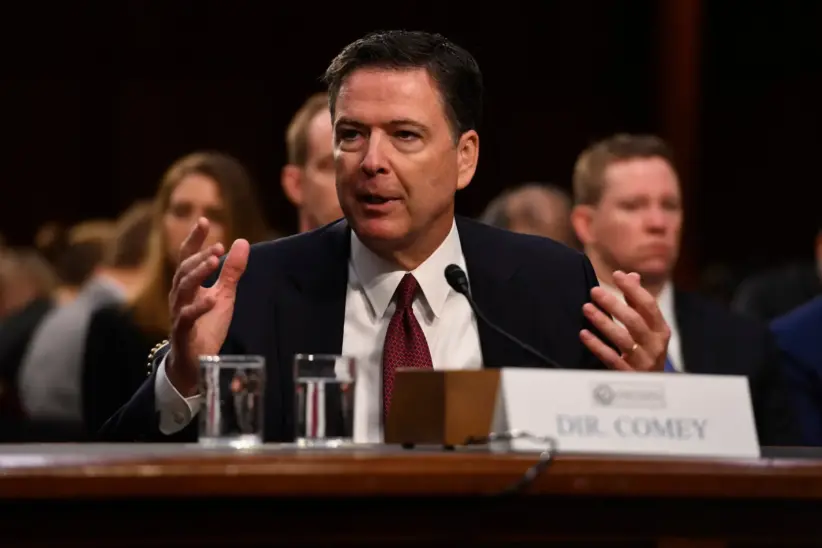
A federal judge delivered a significant blow to the Justice Department’s attempt to pursue a new indictment against former FBI Director James Comey. In a late-night ruling over the weekend, the court temporarily blocked prosecutors from using key evidence they had previously relied upon to build their case, marking a notable victory for the former top law enforcement official.
The ruling, handed down by U.S. District Judge Colleen Kollar-Kotelly, centers on communications between Comey and his close friend, Columbia University law professor Daniel Richman. The Justice Department had pointed to these communications as crucial evidence in their initial indictment, which accused Comey of lying to Congress.
However, the judge’s order now prevents prosecutors, at least for the time being, from accessing or using these materials as they weigh whether to seek fresh charges against Comey, who has long been a vocal critic of former President Donald Trump.
Court Questions Government’s Handling of Evidence
The legal skirmish escalated after the initial case against Comey was dismissed last month. That dismissal came from a different judge who determined that the prosecutor who brought the charges, Lindsey Halligan, had been unlawfully appointed during the Trump administration.
While that ruling allowed for the possibility of a new indictment, the government’s path forward has now been complicated. Lawyers for Richman argued that prosecutors had overstepped their bounds by retaining and searching his personal computer files and communications, which were obtained through warrants in a separate, closed media leak investigation from 2019 and 2020.
Judge Kollar-Kotelly agreed that Richman’s concerns were valid enough to warrant a temporary restraining order. She sided with Richman’s argument that the government’s continued possession and warrantless searches of his data likely violated his Fourth Amendment rights against unreasonable seizures.
Future of Prosecution Remains Uncertain
This judicial intervention casts serious doubt on the Justice Department’s ability to recharge Comey, who has pleaded not guilty and maintains the prosecution is politically motivated. The department has not commented on its next steps following the order. Beyond the evidence issue, Comey’s legal team has argued that the five-year statute of limitations for the alleged false statement, made during congressional testimony on September 30, 2020, has already expired, creating another significant hurdle for prosecutors.
