
Counterfeit Toys: How To Spot Them And Why They Are Dangerous
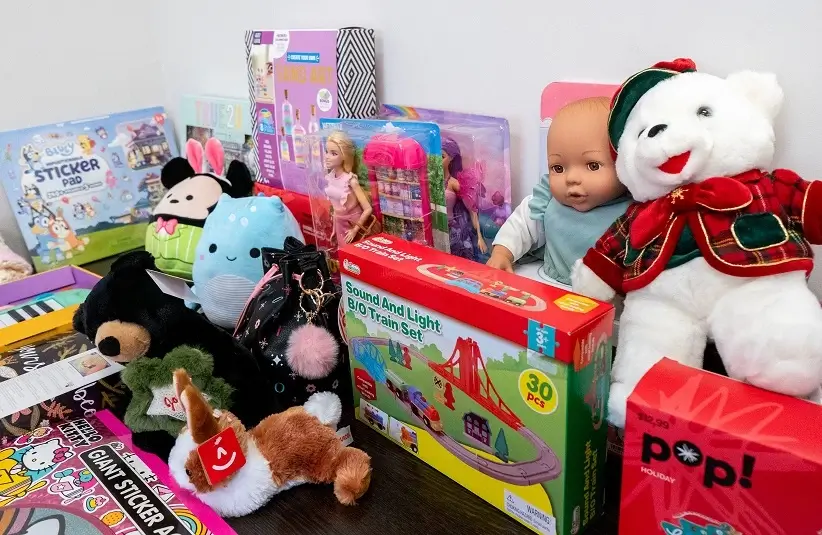
During the holiday shopping season, everyone wants to get the hot, new toys for their children. Whether it is a Labubu, a toy from the latest Disney movie, or an Avatar action figure, parents are searching every corner of the internet to find the perfect gift for their child. However, buyer beware when it comes to online marketplaces. The internet is filled with low-quality counterfeit toys and scams. Here is a look at why not all internet bargain buys are really bargains.
Why Counterfeit Toys Can Be Dangerous
Buying a cheap knock-off of the toy on your child’s Christmas list might seem like a great deal. Most of the time, though, you will get what you pay for. If the real deal is priced at $49.99 and you are finding it for $19.99, most likely you are going to get ripped off.
That $49.99 name-brand toy has gone through rigorous safety testing and has met numerous safety standards. Odds are the counterfeit version has not. Why is that important? The real deal toy will meet standards for small-piece choking hazards, sharp edges, magnets, batteries (especially the small button-sized ones), heavy metals (like lead), and chemicals. They are also tested for durability. It is great to see your child’s eyes light up when they open the toy, but only if the toy does not fall apart five minutes later or put them in the hospital. According to the Consumer Product Safety Commission, over 200,000 children per year are seen in emergency rooms due to toy-related injuries.
How to Spot Counterfeit Toys Online
There are several things to look for when trying to spot counterfeit toys online. Here is a checklist to consider before you hit that “Add to Cart” button.
- Does the cheaper toy have the same age suggestion/warning as the higher-priced toy?
- Does the cheaper toy have positive reviews?
- Does the cheaper toy have very few reviews?
- Does the cheaper toy have sketchy, highly generalized reviews?
- Does the cheaper toy have a photo?
- Is the cheaper toy’s photo blurry, tiny, or obviously altered?
- Is the listing for the cheaper toy full of typos or poor grammar?
- Does the cheaper toy have a slightly different brand name? (ex., Hazbro instead of Hasbro)
- Is the toy description for the cheaper toy different from that of the higher-priced toy?
- Is the price unrealistically low?
- Is the seller a third-party vendor and not the toymaker or licensed retailer?
- Is the packaging different from the more expensive toy?
These are all red flags to look for to identify potential counterfeit and unsafe products. If the photos, descriptions, packaging, and prices are all significantly different, most likely, so is the product.
Exceptionally Cheap Toys Are Often Scams
Not all cheap toy listings in marketplaces are counterfeits. Some aren’t even real. That’s right, that toy that is 60% cheaper may not even exist. Often, those extreme bargains are just scams, and you won’t receive anything in the mail. It is always best to check vendor reviews and satisfaction ratings before purchasing from vendors that are not the toymaker or licensed retailers. Even if you do get something in the mail, it may be a used, repackaged toy or a different toy altogether.
What to Do If You Are Scammed or Buy a Counterfeit Toy
If you have already purchased a counterfeit toy or if you have been scammed, there are things that you should do. First, if the toy does not look or feel right, do not give it to your child, especially if they are age three or younger. Next, call the credit card company that processed the purchase and dispute the charge. In many cases, you will be able to get your money back.
Then, go back to the online marketplace on which you made the purchase and report the seller. Finally, fill out an honest and thorough review of that seller. If enough people follow these steps, often the credit card companies and marketplaces will stop doing business with that seller. The review is important, as well. Every honest negative review is a warning to other potential purchasers.
When it comes to shopping online, do your homework before you buy. Compare prices and descriptions. Pay attention to details, and check reviews. Most importantly, it is always best to follow the old adage: if it sounds too good to be true, it probably is.
