
Australia’s Social Media Ban for Kids Under 16: A Global First
MELBOURNE, Australia — Australia’s social media ban passed today. It is the first democracy to pass a law banning children under 16 from creating or maintaining social media accounts. Lawmakers passed the measure in 2024, and regulators began enforcing it on Dec. 10, 2025. Governments worldwide are watching closely as they debate how far regulation should go in protecting young people online.
What the Law Covers
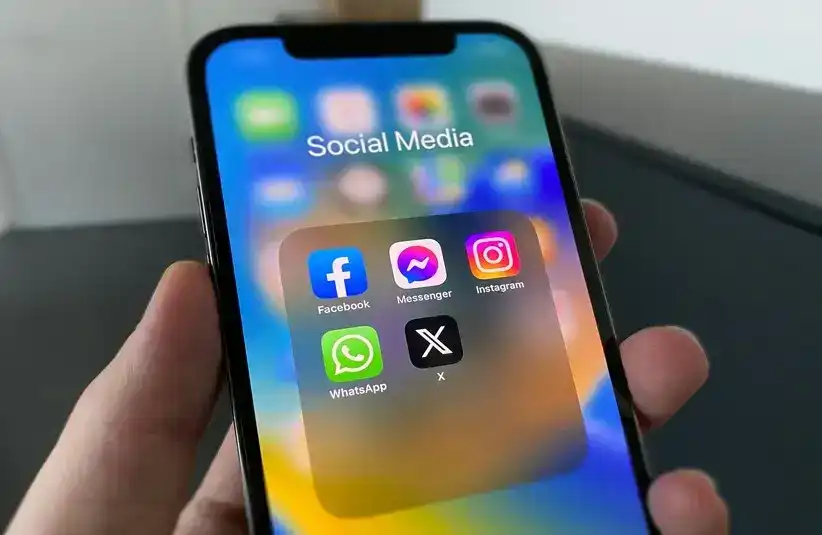
The law blocks anyone under 16 from registering or using accounts on 10 major platforms: Instagram, Facebook, Threads, Snapchat, TikTok, YouTube, X (formerly Twitter), Reddit, Twitch and Kick. Children can still view some content, such as YouTube videos without accounts, but they cannot post, comment or message.
Regulators require platforms to introduce age‑verification systems. Currently, age may be verified by uploading a government ID, bank verification and biometric scans. Although officials have not finalized the standards.
Evidence on the Table
The ban affects millions of Australian children and teens. But why are lawmakers behind the ban? The lawmakers used the data collected by surveys in 2024 to support the need for this ban. These surveys revealed how widespread underage social media use had become.
In September 2024, the eSafety Commissioner reported that 84% of children ages 8 to 12 used at least one social media or messaging service during the year. It also showed that despite platforms requiring a minimum age of 13, about 40% held their own accounts. Then, there was the Mission Australia Youth Survey 2024, conducted with Orygen. This survey showed an overwhelming 98% of teens reporting regular social media use. It also flagged that heavy scrolling correlated with lower life satisfaction.
Together, these surveys showed that children went online well before age 13, platforms failed to enforce restrictions and constant exposure affected their well-being. Lawmakers utilized these data points to justify raising the minimum age to 16.
Penalties for Platforms
What happens if the companies fail to enforce the ban? The eSafety Commissioner states that the platforms can face “enforcement action” and be fined up to A$49.5 million ($32 million). Platforms are responsible for enforcing the ban, not children or parents.
Why Lawmakers Acted
Officials pointed to rising rates of self‑harm, suicide and online exploitation among young Australians, saying addictive algorithms and harmful content fueled a growing mental health crisis. The “Let Them Be Kids” campaign pushed for stronger protections. Australian Prime Minister Anthony Albanese spearheaded this campaign. Supporters said the law empowers parents while curbing manipulative digital systems.
Pushback and Petitions
Not everyone supports raising the minimum age to 16. Petition EN8494 reached Parliament. It argued the ban should apply only to children under 13. It further states, “Preventing under 16 year olds access to social media will exclude an entire generation from participating in local and global societies.” The petition received 44,054 signatures before closing on Nov. 27.
Petitioners warned that cutting off teens from platforms could isolate them from peers, limit cultural participation and hinder digital literacy. They said parents, not government, should decide when teens are ready for social media.
How Enforcement Works
Platforms have begun rolling out age‑verification systems, though the process remains in flux. With this system, there are people on both sides of the aisle. Critics warn that biometric scans and ID uploads raise privacy risks. Supporters counter that strict verification is the only way to enforce the ban. Meta removed under‑16 accounts from Instagram, Facebook and Threads. TikTok and Snapchat suspended accounts until users turn 16. YouTube signed out users under 16, and it is storing their data until they reach the age required by law.
What is the Global Impact
Australia’s move has drawn global attention. Governments in Europe and North America have debated similar restrictions, but none have enacted a blanket ban. China has long imposed limits on youth internet use, but Australia is the first democracy to adopt such sweeping rules.
The tech companies are now keeping a close eye on Australia’s social media ban. Platforms in other countries could face pressure to adopt similar measures in other countries if Australia enforces the law effectively.
This age-restriction ban could redefine how social media operates globally. Also, it has the biggest impact on its younger users. Australia’s new law placing restrictions on social media brings forth some difficult questions. Supporters argue it protects children from harmful or concerning content, Machiavellian algorithms and other dangers. Whereas critics apprise that it separates teens from online communities, disproportionately impacts marginalized groups and intrudes on parental decisions.
The Debate Continues
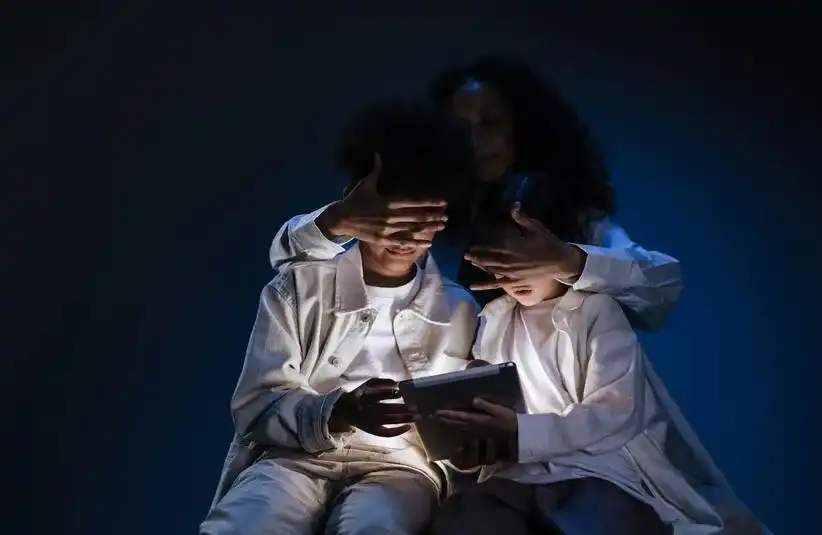
This is not the first restriction teens or children have faced, and it probably won’t be the last. However, they often find ways around restrictions. The eSafety Commissioner already has a page dedicated to rights and reporting for the ban. If reporting someone, it is reported to the platform, not the government. They have also provided a multitude of warnings and information about scams and the purchase of a fake ID.
The enforcement of the social media ban may become a digital cat‑and‑mouse game. Whether the law helps or hurts children may depend on how platforms adapt and how families balance safety with autonomy. Does the government have the right to control what many see as a parental choice, or is this the kind of intervention needed to protect children in a digital world? Australia’s experiment may provide answers, but for now, the debate continues.
