
The Rise and Fall of Nicolás Maduro: Venezuela’s Most Polarizing Leader
Nicolás Maduro’s political story doesn’t begin in a palace or a party headquarters. It starts on the streets of Caracas, where he was born in 1962 and raised in a working‑class family that lived through the city’s constant churn of politics and hardship.
Before he ever stepped into high office, he spent his days driving a bus for the Caracas Metro system, navigating traffic and long shifts like thousands of other workers. His rise from that world to the presidency, and eventually to a dramatic fall, — is one of the most consequential arcs in Venezuela’s modern history. As the country entered 2026, Maduro’s long grip on power finally broke, leaving behind a nation still wrestling with the weight of his leadership.
From Union Organizer to Chávez Protégé
Maduro’s early political identity was shaped in the labor movement, where he became a prominent union leader representing Metro workers. His organizing work caught the attention of Hugo Chávez, who saw in him a loyal figure capable of carrying forward the Bolivarian project. Chávez appointed him foreign minister in 2006, a role Maduro held for six years before becoming vice president in 2012.
When Chávez died in March 2013, Maduro stepped into the national spotlight. He narrowly won a special election the following month, inheriting a country already strained by economic decline and political unrest.
The years after Maduro took office were rough on Venezuela, and the slide didn’t happen quietly. Prices shot up so fast that paychecks lost value in a matter of days. Store shelves emptied. People waited in long lines for basics that never arrived. Corruption seeped into nearly every corner of public life, and the country’s oil‑dependent economy buckled. Millions of Venezuelans packed what they could and left, hoping to find stability somewhere else. Analysts tracking the crisis described Venezuela as one of the most unstable places in the world, a country where political institutions had worn thin and the government’s grip on power grew tighter as conditions worsened.
Even with the unrest, Maduro managed to hold on. He outlasted huge street demonstrations, waves of sanctions, and a direct challenge from opposition leader Juan Guaidó, who several countries recognized as interim president. None of it dislodged him. The military stayed loyal, and his alliances abroad gave him just enough support to weather each new blow. By the time the dust settled, Maduro was still in the presidential palace, even as criticism mounted at home and abroad.
The Disputed 2024 Election and the Deepening Divide
The election on July 28, 2024, pushed the country into an even deeper political rift. Maduro announced he had won with 51 percent of the vote, but the opposition, led by Edmundo González, quickly released tally sheets showing a very different outcome. Their numbers suggested a landslide in their favor. International observers raised alarms almost immediately, pointing to blocked media access, barred candidates, and the lack of independent monitoring.
Despite the growing pile of evidence that González had actually won, Venezuela’s Supreme Court certified Maduro’s victory. That decision didn’t just hand him a third term — it widened the divide inside the country and set off a chain of tensions that would carry into the following year.
A Sudden End: The 2026 U.S. Operation
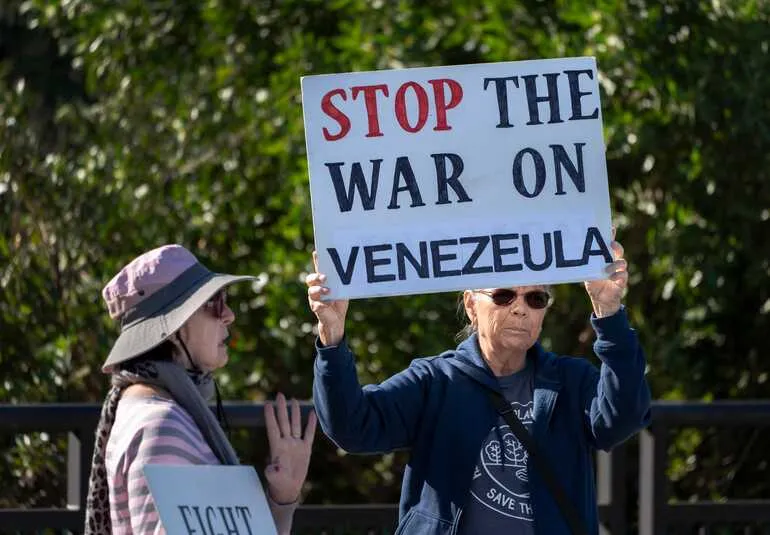
By late 2025, tensions between the United States and Venezuela escalated sharply. The Trump administration accused Maduro of leading a narco‑terrorism network and authorized military action against criminal groups tied to the Venezuelan state. U.S. warships moved into the Caribbean, and strikes targeted vessels the administration said were carrying drugs.
On January 3, 2026, the situation reached a dramatic climax. According to CBS News, U.S. Delta Force launched a nighttime operation inside Venezuela, capturing Maduro and his wife and flying them out of the country. Explosions echoed across Caracas, with smoke rising over military installations as the operation unfolded. After nearly 13 years in power, Maduro’s presidency ended not through elections or negotiations, but in a covert military extraction that stunned the region.
What Maduro Leaves Behind
Maduro’s legacy is complicated and deeply divisive. Supporters see him as a defender of Venezuelan sovereignty who resisted foreign pressure. Critics point to economic collapse, democratic erosion, and a humanitarian crisis that reshaped the region. As Venezuela looks toward rebuilding, the country faces a long road ahead, one defined by political fractures, economic recovery, and the challenge of restoring public trust.
Review and FAQs
Who was Maduro before entering politics?
A bus driver and union organizer who rose through the labor movement.
How long did he remain in power?
Nearly 13 years, from 2013 until his capture in 2026.
Why was the 2024 election disputed?
Opposition tally sheets showed Edmundo González won by a wide margin, contradicting official results.
How did Maduro ultimately lose power?
A U.S. military operation captured him during a period of escalating tensions.
What challenges does Venezuela face now?
Rebuilding democratic institutions, stabilizing the economy, and addressing a severe humanitarian crisis.
