
The Midlife Crisis Came Early for Burnout Generation in 2026

Burnout is officially arriving ahead of schedule for a lot of people. A new survey suggests the classic midlife crisis is getting a serious upgrade, hitting peak intensity decades earlier than expected. The phrase “I’m completely burned out” is now commonly heard from professionals still in their twenties. So, what exactly is compressing the traditional timeline of adult stress?
When Burnout Arrives Before Your Career
The research indicates that a full quarter of Americans will experience significant burnout before they even hit the age of thirty. For Gen Z and millennials specifically, the average age of peak stress is reported to be just twenty-five years old. This represents a dramatic shift from past generations, who typically associated their most overwhelming periods with midlife responsibilities like career advancement and raising teenagers. The modern experience of burnout is being front-loaded, hitting with surprising force right as adulthood begins.
Currently, the average person feels they are operating at about half of their total stress capacity, which is already a pretty grim starting point. Digging deeper, a concerning forty-two percent of people report feeling even more strained than that. A clear generational divide is also observed in the data. Could it be that the tools meant to simplify life are actually accelerating the path to exhaustion? Younger respondents, those in Gen Z and millennial brackets, reported current stress levels of fifty-one percent, notably higher than the thirty-seven percent reported by Gen X and older adults.
The Great Compression of Lifespan Stress
The main culprits behind this early burnout are no mystery, even if they hit harder now. For about a third of people, money trouble is the number one stressor. Right on its heels are the constant churn of politics and the daily grind of work pressure. Interestingly, the ranking of these stressors shuffles between generations. For younger adults, work is the supreme antagonist, while their older counterparts point to politics as the leading cause of their fatigue. This constant pressure from multiple fronts seems to be creating a perfect storm for premature burnout.
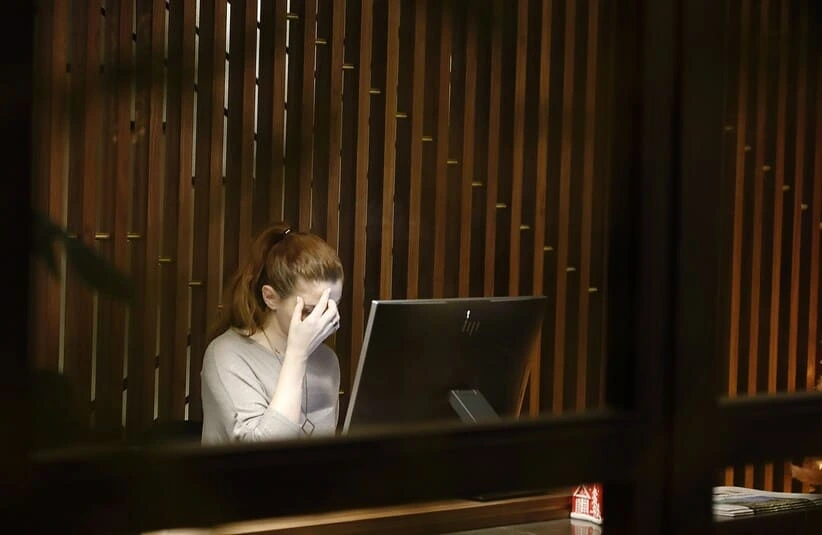
Furthermore, a pervasive sense of pessimism about the future is feeding this cycle. An overwhelming eighty-three percent of Americans believe it is harder to enter adulthood today than it was ten years ago. Even more telling, seventy-two percent expect it to become even more difficult in the next decade. Is this collective expectation itself becoming a source of additional strain? This outlook is felt more strongly by older generations, perhaps because they have a clearer view of just how much the goalposts have moved
The advice from experts tends to focus on tailored strategies for different age groups, emphasizing digital breaks for the young and boundary-setting for the old. Yet the core issue remains a societal one. The data paints a picture of a burnout epidemic that is not only widespread but is also striking at increasingly younger ages. Are we simply normalizing a level of chronic pressure that previous generations would have found unsustainable? The survey makes one thing clear: the race to burnout has started, and the finish line is getting closer to the starting block every year.
Burnout Now Common Among Twenty-Somethings
So, what are we left with? Basically, the entire American relationship with stress is getting a rewrite. Burnout isn’t waiting for a midlife crisis anymore; it’s showing up fashionably early, like a party guest nobody invited. This new timeline is powered by a classic cocktail of money worries, political chaos, and jobs that never seem to clock out. What’s interesting is that the recipe changes by generation—younger folks are getting grilled at work, while older adults are stewing over the news.
Underneath it all is this shared, gloomy belief that being a grown-up just keeps getting harder, which honestly makes everything feel heavier. Fixing this probably means looking beyond yoga apps and individual grit to some bigger, messier conversations about how we’ve built our daily lives. In the end, this trend toward burning out young feels like one big, flashing sign that the way we’re living might need a serious tune-up.
