
President Donald Trump Introduces Blueprint for New Healthcare Plan
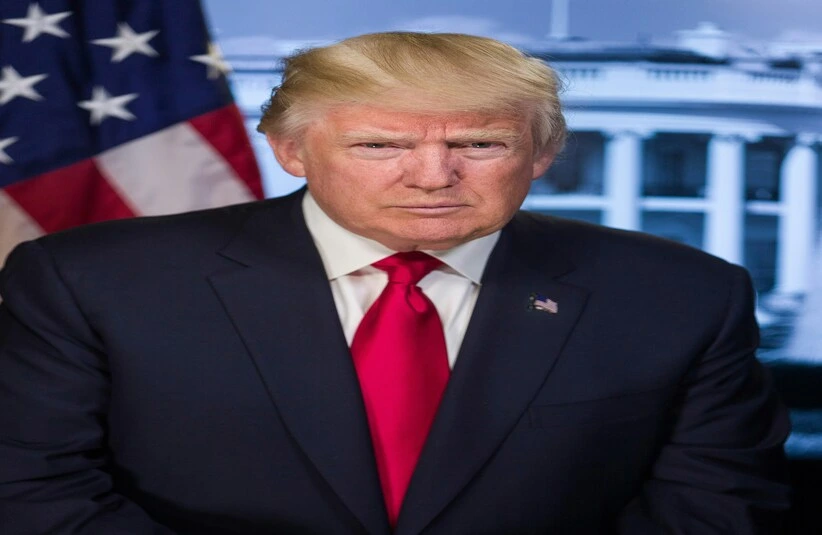
Donald Trump has officially unveiled a new healthcare plan, calling it the Great Healthcare Plan. The proposal centers on four key components: lowering prescription drug prices, reducing insurance premiums, increasing price transparency, and holding insurance companies more accountable. Critics of the bill, however, are concerned about whether the plan includes meaningful protections for people with pre-existing conditions or extends the subsidies that many Americans currently rely on.
Decoding the Fine Print in Healthcare
Lowering Prescription Drug Prices
The Great Healthcare Plan aims to codify the Trump-era Most-Favored-Nation policy for prescription drugs. The policy, initially created by a 2020 executive order, links U.S. Medicare drug prices to the lowest costs paid in other developed countries. The proposal would extend past measures on insulin costs and voluntary negotiations, while honoring deals already struck with federal health agencies.
A separate provision aims to broaden consumer access to certain medications by moving more approved drugs to over-the-counter status. Implementation would rely on new legislation and regulatory action within the Department of Health and Human Services, which is not currently provided in the plan. The original model, introduced by executive order, was blocked by courts and never implemented, leaving its practical effectiveness untested.
Reducing Insurance Premiums
The goal of The Great Healthcare Plan is to reallocate federal subsidy payments away from insurance companies and directly to eligible individuals. It would function by providing those funds to Americans for the purchase of their chosen health insurance. According to the Trump administration, the plan is designed to accomplish a reduction in taxpayer costs and lower premiums through a cost-sharing reduction program, projected to save at least $36 billion and cut common plan premiums by over 10%.
Furthermore, it aims to decrease insurance costs by prohibiting certain payments from pharmacy benefit managers to brokerage middlemen. The plan includes the direct subsidy payments, the establishment of the cost-sharing program, and the new regulations on pharmacy benefit manager practices. Its intended outcome is to increase consumer choice while reducing overall healthcare expenditures.
HOLDING BIG INSURANCE COMPANIES ACCOUNTABLE
The goal is to establish a “Plain-English Insurance” standard to enhance consumer transparency in healthcare. This would be accomplished by mandating that insurers clearly publish comparative rate and coverage information, the proportion of revenue spent on claims versus overhead, claim denial rates, and care wait times on their websites. It further requires providers who accept Medicare or Medicaid to publicly post their pricing to prevent surprise billing.
The goal is to require health insurers to publish clear, comparative data on rates, coverage, and claim denials directly on their websites, using plain English. This “Plain-English Insurance” standard would also require providers to publicly post their prices, thereby preventing surprise billing. The proposal builds upon existing transparency rules, like the Affordable Care Act’s requirement for simplified benefit summaries, by moving key decision-making information online for direct consumer access.
What’s Next or Next Steps
The heavy lifting is being handed directly to Congress, a task complicated by its long and contentious history with healthcare legislation. The administration’s framework is more of a to-do list for lawmakers than a finished bill, with the goal of shifting government money directly to consumers. Could this approach simplify a famously complex system, or just add another layer of confusion?
The plan also pushes for price transparency from providers. President Trump stated, “My plan orders all the insurance companies to publish rate and coverage comparisons in very plain English,” and wants to apply a “Plain English” standard to insurance. This approach may sound straightforward. However, health policy experts were quick to point out that many of these concepts are already part of the current Affordable Care Act. This leads to the central question about the future of healthcare under this proposal: Is it a genuine overhaul or a repackaging of existing ideas?
The One-Page Healthcare Overhaul Guide
The concept of giving money directly to people for their healthcare costs, often called consumerism, is not a new one in policy circles. Would empowering individuals to shop for care actually work in a system where most people don’t want to “consume” more healthcare? Critics warn that if healthy people use such funds to buy cheaper, non-ACA plans, it could destabilize the entire marketplace, leaving the sickest without viable options.
The White House has provided a one-page summary of the Great Healthcare Plan. The success of any new healthcare framework depends entirely on these specifics, which are now in the hands of a divided Congress facing a potential government shutdown. Is this plan a starting point for negotiation or a political marker? The administration’s allies on Capitol Hill will now have to decide how to craft legislation from this blueprint, a process that has failed multiple times before.
Donald Trump’s Latest Healthcare Vision

The Great Healthcare Plan proposes several measures intended to modify the American healthcare system. Initially, prescription drug prices would be lowered for all Americans. This would be achieved by codifying the previous administration’s Most-Favored-Nation pricing model. Would this action extend the efforts seen with insulin affordability and subsequent voluntary negotiations?
However, voluntarily negotiated arrangements already established with health agencies would be grandfathered into the new framework. Additionally, consumer access is to be increased. More pharmaceutical drugs verified as safe would be made available for over-the-counter purchase. Is it expected that this change will strengthen price transparency and reduce the necessity for numerous doctor visits? The intention is to lower costs and provide more choice through increased competition.
A Prescription for Pricing Clarity
Furthermore, a shift in subsidy allocation is proposed. Instead of providing extra taxpayer-funded subsidies to large insurance companies, that money would be sent directly to eligible Americans. This direct funding would allow individuals to purchase the health insurance they prefer. A cost-sharing reduction program for healthcare plans would also be funded, which is projected to save taxpayers a significant amount and reduce certain plan premiums.
According to the bill, deceptive industry practices would be addressed. Should kickbacks from pharmacy benefit managers to brokerage middlemen be ended to reduce hidden costs? Those kickbacks are identified as deceptive practices that raise the cost of health insurance. Transparency standards are also a central component of the plan. Health insurance companies would be required to publish rate and coverage comparisons in plain English on their websites.
They would also be required to publish the percentage of revenues paid out for claims versus overhead and profits. For greater consumer awareness, would insurers be mandated to display their claim denial rates and average wait times for routine care? Finally, to prevent surprise medical bills, any provider or insurer accepting Medicare or Medicaid would be required to publicly and prominently post all pricing and fees.
