
The Algorithm of Authority: ICE vs. CBP Protocols
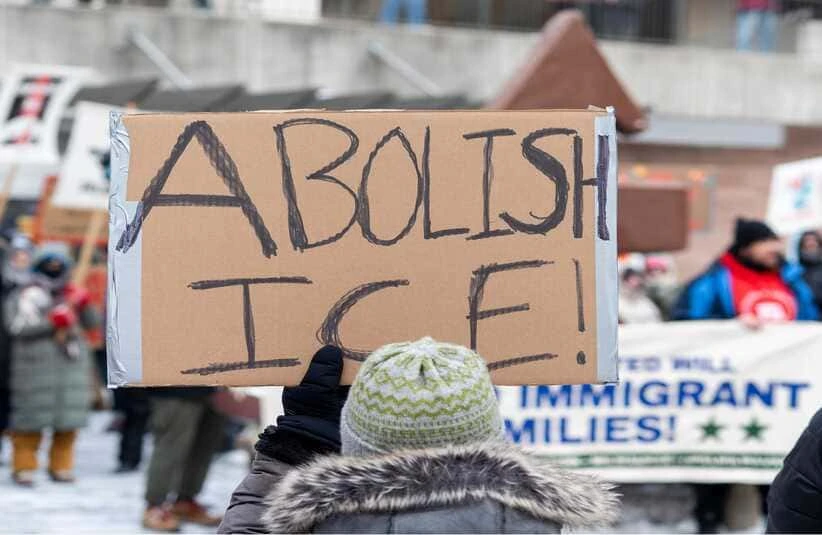
Ice remains a central and often controversial component of U.S. immigration enforcement. The recent fatal shooting by an agent in Minneapolis and another shooting in Portland have intensified public scrutiny of the federal officers involved. These incidents, however, stemmed from two distinct agencies. The key distinction lies in their primary jurisdictions.
Homeland Security Agencies See Roles Rapidly Blur
The Minneapolis incident involved U.S. Immigration and Customs Enforcement (ICE), while the Portland shooting concerned U.S. Customs and Border Protection agents (CBP). ICE is principally responsible for interior immigration enforcement, whereas CBP is tasked with securing the nation’s borders and ports of entry.
These operational lines, however, have blurred significantly in practice. CBP’s border patrol agents now routinely assist ICE with interior operations. Both agencies were consolidated under the Department of Homeland Security following the Sept. 11 attacks. Furthermore, substantial funding increases during the Trump administration supported an expanded enforcement agenda for each agency. This convergence of resources and roles has defined a more aggressive period of federal immigration activity.
The Melting Distinction Between Two Agencies
Regarding authority, the agencies differ in their rules for searches and arrests. ICE states its agents do not need warrants from judges to make arrests, using administrative warrants instead. A recent internal memo from DHS indicated these administrative warrants can be used for forceful entry into homes. However, these administrative warrants could be challenged in court. CBP, meanwhile, holds broad authority to conduct warrantless searches within one hundred miles of any external U.S. boundary, a zone that includes coastlines.
Legal experts note that Fourth Amendment protections still apply, creating an ongoing legal tension. The hundred-mile rule explains the presence of Border Patrol in a city like Portland, which lies within one hundred miles of the coast. In the recent Portland shooting, DHS said agents attempted a traffic stop. During the traffic stop, the agent fired.
Decoding the ICE and CBP Operational Puzzle
The department claimed the driver had gang ties but provided no evidence and declined further questions. The chilling effect of such enforcement can settle over communities like a sheet of ice. Furthermore, Border Patrol has been formally tasked with assisting ICE on interior operations, extending its reach far from traditional border areas.
The deployment in Minneapolis is more geographically puzzling, as the city sits roughly 300 miles from the Canadian border. State officials were aware of increased ICE activity there, but the specific reason for CBP’s presence remains unclear. The broadening mission of both agencies fuels ongoing debate.
Enforcement Agencies Face Intensified Public Scrutiny
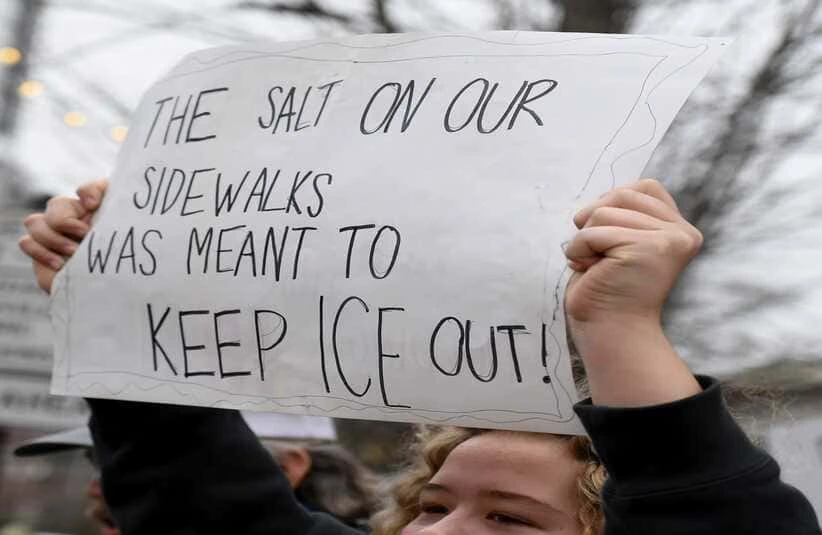
Their creation in 2003 under the Homeland Security Act consolidated enforcement authority into a powerful, still-evolving structure. Backed by multibillion-dollar budgets and tens of thousands of agents, this combined apparatus represents a formidable and permanent national force. The operational tactics can sometimes seem designed to create a climate of fear, a strategic ice affecting community trust. Meanwhile, the legal justifications for some arrests remain on thin ice, according to some constitutional scholars.
Public perception of the two agencies differs, though each faces significant criticism. Immigration and Customs Enforcement frequently serves as the primary focus for protests concerning deportations and enforcement within the United States. U.S. Customs and Border Protection, however, is most frequently associated with border security narratives. Its routine operations far from international boundaries complicate that singular image.
Both agencies have seen their mandates and budgets grow considerably over the past two decades. This trend has spanned multiple presidential administrations. Recent shootings involving agents have increased scrutiny of use-of-force policies within both agencies, leading to internal examinations. Their increasingly overlapping duties, which feature joint operations and personnel, complicate the process of assigning clear accountability. This bureaucratic entanglement can make definitive lines of responsibility difficult to discern.
Jurisdictional Lines Fade as Agency Missions Converge
In summary, U.S. Immigration and Customs Enforcement and U.S. Customs and Border Protection remain distinct entities with increasingly interconnected and broadening mandates. While ICE concentrates on interior enforcement and CBP on border security, their operational activities now frequently overlap into domains once considered separate. This convergence prompts serious legal and oversight concerns, especially related to protocols for warrants and the extent of jurisdictional authority.
The regulatory provision known as the hundred-mile rule permits CBP to conduct operations across extensive regions, including many major population centers. As a result, the apparatus of federal immigration enforcement possesses a deep and pervasive reach within the nation. The continuing national discussion focuses on determining the proper boundaries and tactics for these influential agencies.
