
Good News For The Global Tech Supply Chain As US Extends Vital Chip Licenses
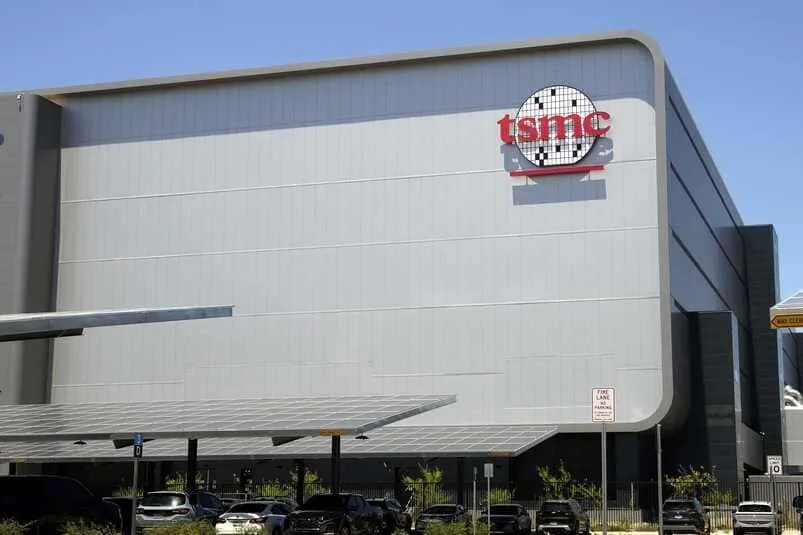
Good news for the global tech supply chain: the United States has given Samsung and SK Hynix the green light to keep shipping chipmaking tools to their factories in China through 2026. This decision, first reported by Reuters, is a major win for the semiconductor industry, which has been dealing with increasingly strict export controls.
Essentially, it means production at crucial sites, like Samsung’s massive Xi’an plant, which produces a huge portion of the world’s NAND flash storage, won’t face sudden interruptions. In a tech-dependent world, this eases a lot of anxiety about potential supply shortages.
The timing couldn’t be better. With the explosion of AI technologies, the demand for memory chips is sky high. SK Hynix, for instance, is a key supplier for Nvidia’s processors. Previously, these companies operated in China under a “Validated End User” (VEU) exemption, but that status is set to expire at the end of 2025.
What the New Licensing System Means
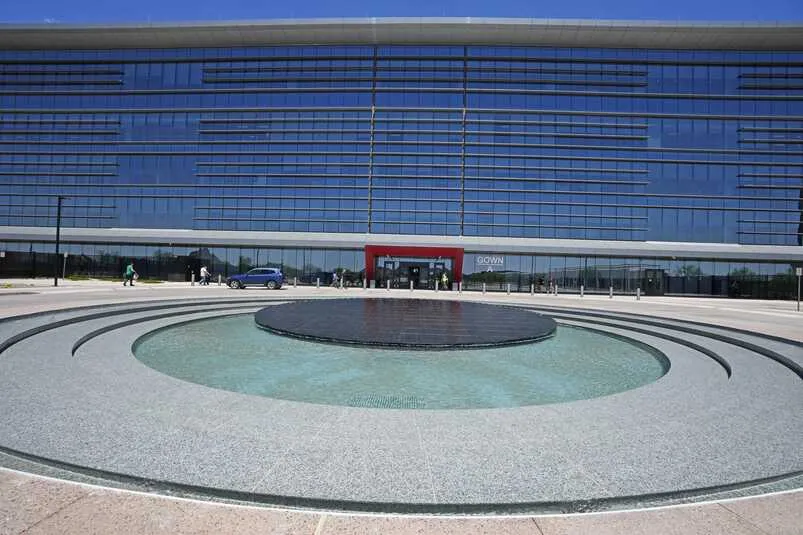
While this extension is helpful, the rules are changing. The industry, which now has a major player in the United States at TSMC in Phoenix, is moving from open-ended exemptions to a system requiring yearly approvals. For years, chipmakers enjoyed a relatively predictable environment under the VEU system, but the Commerce Department is ending that era on December 31, 2025.
Going forward, companies will need to apply for licenses every single year. This adds a layer of red tape and makes long-term planning a bit stickier. The Trump Administration’s goal seems clear: they want tighter oversight on advanced technology entering China to ensure it doesn’t compromise national security.
Supporting AI Demand Without Sacrificing Security
It’s a delicate balancing act. The government agencies will aim to restrict China’s access to military-grade tech, but they also realize they can’t just sever the supply chain without causing chaos. Samsung and SK Hynix rely heavily on their Chinese facilities. A sudden halt wouldn’t just hurt their bottom lines; it would likely trigger global shortages and drive up prices for everyone.
This new approval keeps the trade flowing for now, but it comes with strings attached. By switching to an annual licensing model, the U.S. retains the ability to adjust conditions based on the geopolitical climate, ensuring strategic interests are protected while keeping the lights on in the supply chain.
