
Advisory Panel to CDC Votes to Change Newborn Vaccine Standard
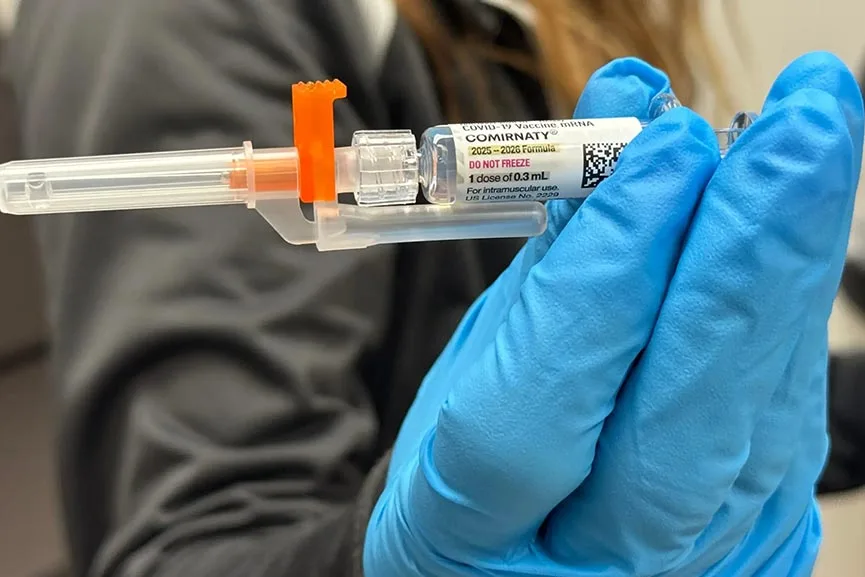
After more than 30 years, a major advisory panel to the CDC is shaking things up regarding the Hepatitis B vaccine for newborns.
On Friday, the Advisory Committee on Immunization Practices (ACIP) voted 8-3 to change the long-standing recommendation that every baby gets the birth dose. Instead, they suggested the vaccine only be strictly required for infants whose mothers test positive for the virus or weren’t screened during pregnancy.
For everyone else, the new guidance encourages “shared decision-making.” Basically, parents and doctors can talk it over and potentially wait until the baby is at least two months old to start the series.
Many Ask CDC – Why Change Now?
The committee emphasized that this wasn’t about safety or effectiveness concerns. Rather, they felt it was time to re-evaluate a policy from 1991. They pointed to Europe, where giving the first dose later in infancy is common practice.
During the meeting, Cynthia Nevison, Ph.D., presented data to the CDC suggesting that the birth dose might not be the main reason Hep B cases have dropped. She argued that things like better blood screening and needle exchange programs played a much bigger role.
Not everyone agrees
The vote sparked immediate backlash from the medical community. The American Academy of Pediatrics wasted no time announcing they would keep recommending the birth dose for all newborns.
Dr. William Schaffner, a vaccine expert at Vanderbilt University, expressed shock at the decision, criticizing the committee for ignoring decades of evidence. Even within the committee itself, there were strong dissenting voices arguing against the change.
What this Means for Public Health
This debate highlights the tension between individual choice and public safety. Proponents see this as a chance for parents to have more say in their child’s care. Critics, however, worry that delaying the vaccine leaves babies vulnerable to a disease known to cause chronic liver disease and cancer.Now, the decision sits with CDC Acting Director Jim O’Neill.
He has to decide whether to make this the official national standard. In a statement, he acknowledged how complicated it is to balance individual needs with community health, praising the panel for the thorough discussion.
