
Fentanyl Vaccine Enters Human Clinical Trials as Opioid Crisis Worsens
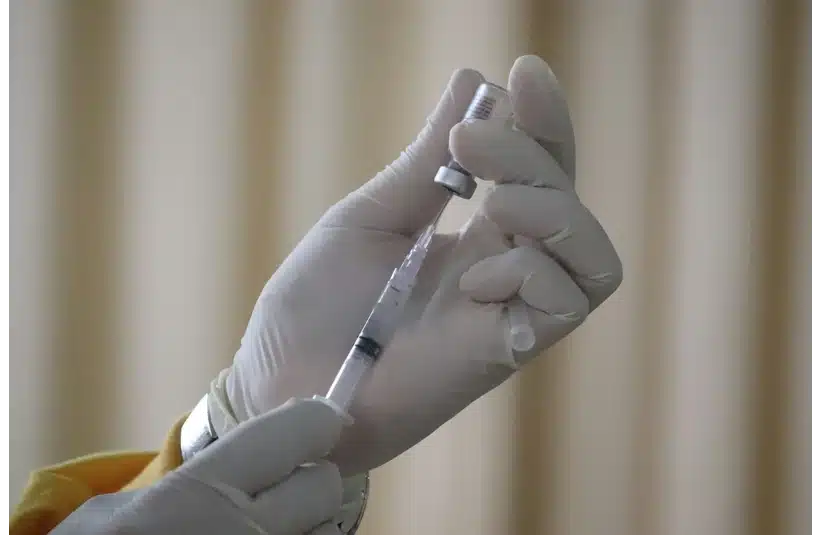
The opioid crisis is, sadly, not a new topic of conversation in the United States or around the world. Yet a series of new clinical trials for a Fentanyl vaccine signals a shift in the dialogue. Fighting back against drug addictions is more than mere words; come, and arm yourself with life-saving knowledge about the vaccine and the story behind the trials.
Grim Reality of the Opioid Crisis, New Hope in Clinical Trials
It is a grueling, heartbreaking reality that tears families apart and leaves communities reeling. The Centers for Disease Control and Prevention estimates that roughly 150 people in the United States die each day from synthetic opioids, primarily fentanyl. At the center of this grim statistic is fentanyl, a synthetic opioid that is 50 times stronger than heroin and 100 times stronger than morphine — sneaking into other drugs, causing fatal overdoses, and leaving a trail of devastation in its wake.
But amid the seemingly endless stream of bad news, a glimmer of genuine hope has emerged. Researchers have been quietly working in their labs to develop a vaccine for fentanyl. We are not just talking about overdose reversal drugs like naloxone, which are crucial but reactive. We are talking about a preventative vaccine. And as this research moves from the laboratory into human clinical trials, vaccine science might offer a lifeline to those struggling with opioid use disorder.
The Invisible Threat
To understand why this medical breakthrough is so necessary, we first need to understand the enemy. Fentanyl is not just dangerous; it is incredibly efficient at being dangerous. Consuming just two milligrams of the substance, about the weight of a single grain of rice, is enough to be fatal for the average person.
The tragedy of fentanyl is amplified by its deceptive nature. It is cheap to produce and highly potent, making it a favorite for illicit drug manufacturers. People think they are buying cocaine, methamphetamine or anxiety pills like Xanax, unaware that a deadly dose of fentanyl has been mixed in. This has led to a massive spike in accidental overdoses among people who do not even realize they are consuming opioids.
Currently, treatments for Opioid Use Disorder (OUD) include medications like methadone and buprenorphine (often known by the brand name Suboxone). While these treatments save lives, the relapse rate for OUD remains staggeringly high, around 40% and 80%.
Does a Vaccine Actually Work?
When we hear the word “vaccine,” most of us picture a shot that prevents the flu or measles. It teaches the immune system to recognize a virus as a foreign invader and attack it. The fentanyl vaccine operates on a remarkably similar premise, but instead of targeting a virus, it targets a chemical compound.
If a person who has received the fentanyl vaccine accidentally or intentionally consumes the drug, their immune system treats the opioid like a hostile intruder. The body produces specialized anti-fentanyl antibodies that bind to the drug while it is still in the bloodstream. Because these antibodies are physically large, they act like a biological bouncer, preventing the fentanyl molecules from crossing the blood-brain barrier.
If the drug cannot enter the brain, it cannot trigger the euphoric “high.” More importantly, it cannot depress the respiratory system, which is what ultimately causes a fatal overdose. The neutralized fentanyl is processed through the kidneys and flushed out of the body.
What is particularly brilliant about this mechanism, developed by a dedicated team at the University of Houston, is its specificity. The antibodies only target fentanyl and its direct derivatives. They do not cross-react with other opioids like morphine. This means if a vaccinated person is in a severe car accident and needs legitimate medical pain relief, doctors can still administer traditional painkillers.
Moving From Lab Rats to Clinical Trials
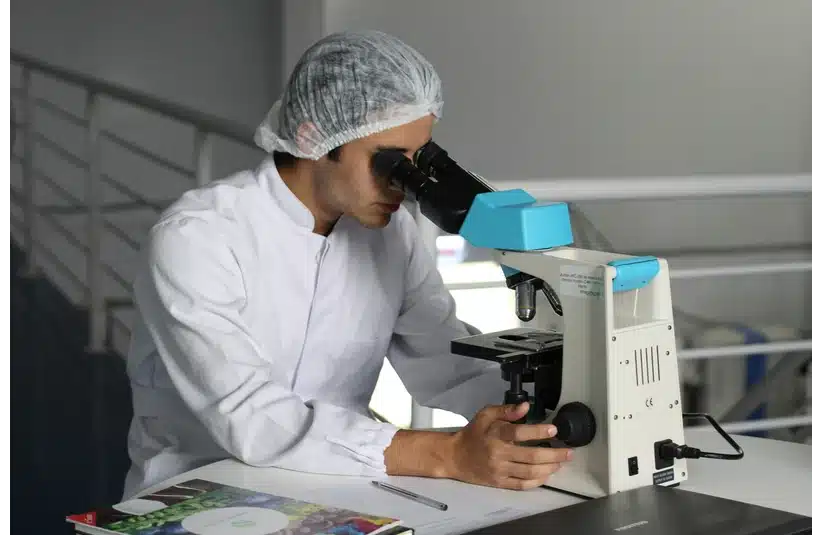
Science moves deliberately, which is a polite way of saying it takes a very long time. For over five years, researchers have been refining this vaccine, initially testing it on mice and rats. As it turns out, rodents share a surprising amount of genetic and biological similarities with humans, particularly when it comes to brain reward pathways and chemical dependence.
In these animal studies, the vaccine was incredibly successful. It fully blocked the effects of fentanyl for five to six months without causing adverse side effects. But mice are not men, which brings us to the crucial phase of medical research: human testing.
We are now seeing the launch of human clinical trials, with vaccine efficacy being the primary focus. By comparing an experimental group receiving the active vaccine against a control group receiving a placebo, researchers will determine just how many antibodies the human body can produce to block the opioid high. The goal for these clinical trials is to refine the vaccine so that a single dose offers protection for one to two years.
Human Clinical Trials Fentanyl Vaccine
Despite the medical marvel this represents, there is a lingering societal hurdle: the stigma surrounding addiction. Addiction is a chronic illness influenced by genetics, environment, and biology. Yet, a vocal subset of society still views it as a moral failing.
Because of this perspective, some critics argue that an anti-fentanyl vaccine is somehow enabling illicit drug use, rather than treating a deadly condition. This is where education becomes just as vital as the medicine itself. There is also a general hesitancy around new vaccines. However, the foundational components of this fentanyl vaccine, such as the adjuvant derived from E. coli that boosts the immune response, have been safely used in other vaccines since the early 2000s.
Hope on the Horizon

Illicit fentanyl is not vanishing anytime soon. Its pervasive presence has forced communities to adapt, stocking schools and bars with naloxone rescue kits just to keep people alive. These harm-reduction strategies are vital, but they are reactive.
As we watch the ongoing clinical trials, vaccine development for fentanyl offers a proactive beacon of hope. It will not cure the underlying psychological trauma or environmental factors that lead to addiction, but it will buy people time. It will keep them breathing long enough to attend therapy, to rebuild their lives, and to find their way back to their families. And in the fight against the opioid epidemic, keeping people alive to fight another day is the greatest victory one could ask for.
