
Colon Cancer Is No Longer Just a Numbers Game for Older Adults

Doctors are sounding the alarm: colon cancer is rising fast in young adults, and millions don’t know it yet. Colorectal cancer was once considered a disease that crept up on people after 50. That assumption is now medically outdated. According to the American College of Surgeons, approximately one in five colorectal cancer patients today is under the age of 55. The disease has quietly become the No. 1 cause of cancer death for men under 50 and the second leading cause for women in that same age group. If you were born in 1990, you carry nearly double the risk of colon cancer and four times the risk of rectal cancer compared to someone born in 1950.
The biology of how these cancers develop, slow-growing cellular mutations that begin in the inner lining of the colon and accumulate over years, has not changed. What has changed is who is in the crosshairs, and how quickly those mutations are appearing in younger bodies. Understanding that shift, and knowing what to do about it, could genuinely save your life.
How Colon Cancer Actually Works Inside the Body
Think of the colon as a long, muscular corridor, roughly five feet of tubing responsible for absorbing water and processing waste before elimination. When the cells lining that corridor begin to divide abnormally, small clumps called polyps form along the inner wall. Most polyps are benign for years. But given enough time, and the right combination of genetic and environmental conditions, some of those polyps undergo a cellular mutation that transforms them into cancer.
This process is slow by biological standards. Research from the Cleveland Clinic estimates it typically takes about 10 years for a precancerous polyp to become a fully cancerous lesion. That timeline is both a warning and a window of opportunity. Catch those polyps early through a colonoscopy, and a gastroenterologist can remove them before they cross that threshold. Let them go undetected, and the cancer can grow through successive layers of the colon wall, eventually spreading to nearby lymph nodes and, in advanced cases, to distant organs like the liver and lungs.
That spread, referred to clinically as metastasis, is what makes late-stage diagnosis so difficult to treat. The five-year survival rate for localized colon cancer sits at 91%, according to the National Cancer Institute. For cancer that has spread regionally to lymph nodes, that figure drops to 73%. For distant metastatic disease, it falls to 13%. Those numbers are not meant to frighten; they are meant to underscore why catching this cancer early is not just advisable but medically urgent.
The Signals Your Body Sends (That Are Easy to Dismiss)
One of the most frustrating realities of colon cancer, especially in younger adults, is how easily its symptoms can be mistaken for something far less serious. A bout of diarrhea, some abdominal cramping, a little fatigue after a long week, these are the kinds of complaints that get attributed to stress, diet, or a stomach bug. And often, they are exactly that.
But certain symptoms warrant a direct conversation with your doctor, no matter your age. Blood in the stool, whether bright red or a darker, almost tar-like color, should never be explained away. Persistent changes in bowel habits, meaning constipation or diarrhea that lasts more than a few days without a clear cause, are worth flagging. Unexplained weight loss, a persistent feeling that your bowels have not fully emptied after a movement and ongoing abdominal discomfort all belong in the same category. Taken individually, none of these symptoms definitively points to cancer. Taken together, or when they will not resolve, they signal that the body is asking to be heard.
UC Davis oncologist Dr. Rashmi Verma has noted that primary care physicians sometimes do not immediately consider colorectal cancer in younger patients, instead working through more common diagnoses like irritable bowel syndrome or inflammatory bowel disease. If an at-home stool test comes back negative but symptoms continue, Dr. Verma advises patients to request a colonoscopy specifically. Self-advocacy, knowing your body and insisting on answers are part of the clinical process.
Why Colon Cancer Is Rising in Young Adults
Researchers have not yet pinpointed a single cause behind the rise of colon cancer in young adults, but the investigation is active, and the leading suspects are familiar. Diet, particularly the widespread consumption of ultra-processed foods and high-sugar beverages, is high on the list. So are sedentary behavior, obesity, tobacco use and alcohol consumption. Environmental factors, including exposure to certain chemicals and microplastics, are being studied as potential contributors to early cellular disruption in the gut lining.
There is also a genetic dimension that does not get enough attention. Inherited conditions like Lynch syndrome and familial adenomatous polyposis significantly increase lifetime risk, and many people with these conditions go undiagnosed for years. Family history remains one of the strongest predictors of individual risk. If a parent or sibling has had colorectal cancer or was diagnosed with multiple polyps, that information needs to be on your doctor’s radar.
The U.S. Preventive Services Task Force responded to these trends in 2021 by lowering the recommended age for colorectal cancer screening from 50 to 45. For people with elevated risk factors, earlier screening is already the standard of care. The guideline shift was not a procedural formality. It was a clinical acknowledgment that colon cancer is showing up in bodies that were previously not thought to need watching.
How Colon Cancer Is Treated
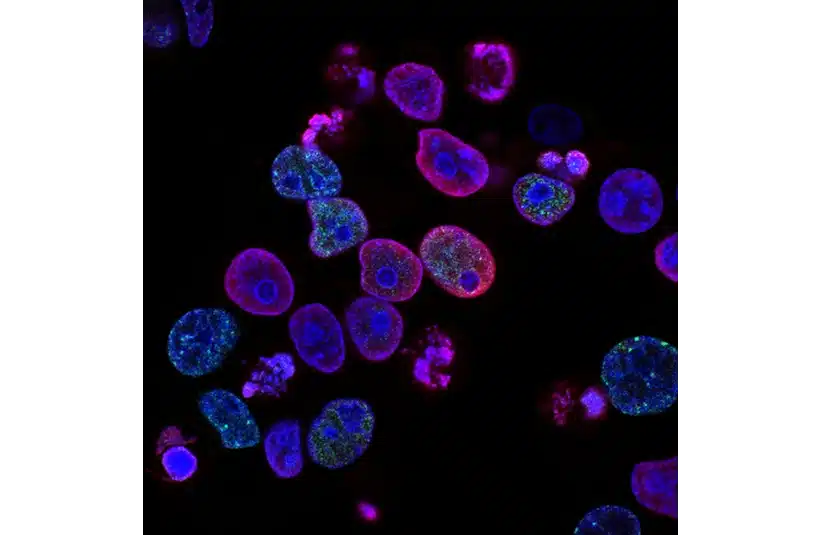
Treatment for colon cancer is not one-size-fits-all. It is calibrated to the stage of disease, the location of the tumor within the colon and the molecular characteristics of the cancer itself. What applies at Stage I looks very different from what is recommended at Stage IV, and the distinction matters for how patients plan their lives around treatment.
For early-stage disease, specifically Stage 0 and Stage I, surgery is often the primary and sometimes the only intervention needed. When a polyp containing cancerous cells is removed cleanly during colonoscopy, with no evidence of spread, additional treatment may not be required. For cancers that have grown beyond the polyp stage, a partial colectomy, the surgical removal of the affected section of the colon along with nearby lymph nodes, becomes the standard approach.
At Stage II, surgery remains central. Adjuvant chemotherapy may be added after the operation, particularly when the tumor shows characteristics associated with a higher likelihood of recurrence. Stage III disease typically involves both partial colectomy and a structured course of chemotherapy, often using regimens like FOLFOX or CAPEOX, administered over a period of three to six months.
Stage IV, where cancer has spread to distant organs, requires a more individualized approach. If metastatic lesions in the liver or lungs are limited in number and surgically accessible, removing both the primary tumor and the metastases can meaningfully extend survival. When the spread is too extensive for curative surgery, chemotherapy becomes the main treatment, sometimes supplemented with targeted therapies or immunotherapy depending on the tumor’s genetic profile.
Immunotherapy, specifically checkpoint inhibitors, has emerged as a particularly promising option for tumors with microsatellite instability-high (MSI-H) features. These drugs work by releasing the biological brakes on the immune system, enabling it to recognize and attack cancer cells more aggressively. Younger patients with certain inherited syndromes, such as Lynch syndrome, are more likely to have MSI-H tumors and may respond especially well to this approach.
Monoclonal antibody therapy adds another layer to the treatment toolkit. These lab-engineered proteins are designed to target specific molecules on the surface of cancer cells, either blocking their growth signals or flagging them for destruction by the immune system. They can be used alongside chemotherapy or as standalone agents, depending on the patient’s disease profile.
For rectal cancer, which originates in the final portion of the large intestine, the treatment paradigm often includes chemotherapy and radiation before surgery, a sequence intended to shrink the tumor and improve surgical outcomes. Dr. Ankit Sarin of UC Davis has described how multidisciplinary review of each rectal cancer patient allows for treatment tailored specifically to the individual, rather than a generic protocol applied uniformly.
Where to Find Help and What to Ask
Knowing where to turn after a diagnosis, or even just a suspicion, is part of navigating this effectively. A primary care physician is usually the first point of contact. Still, gastroenterologists, who specialize in the digestive tract, are the ones who perform colonoscopies and can evaluate the colon directly. If cancer is confirmed, a colorectal surgeon and a medical oncologist typically join the picture, often as part of a multidisciplinary care team.
When meeting with your medical team, a few questions are worth bringing into the room. Ask whether your tumor has been tested for MSI-H or dMMR features, as this directly affects whether immunotherapy is likely to help. Ask about the right-sided versus left-sided location of the cancer, since tumors in different parts of the colon respond differently to specific treatments. If you are a younger adult facing a diagnosis, ask explicitly about fertility preservation if that is relevant to your situation. Ask about survivorship resources, emotional support services and what the treatment timeline looks like for your daily life.
Second opinions are not only acceptable but also standard practice in oncology. Gathering your pathology reports, imaging results and surgical findings and having another specialist review them can confirm a diagnosis, surface alternative treatment options, or provide peace of mind. Major cancer centers affiliated with the National Cancer Institute, as well as institutions with designated comprehensive cancer programs, are well-equipped to offer these evaluations.
Staying Positive, But Staying Honest

There is a version of optimism about colon cancer that is medically justified. Early detection genuinely works. When the disease is caught at a localized stage, nine out of 10 people are alive five years later. Advances in immunotherapy and targeted treatment have meaningfully changed outcomes for patients who were once facing very limited options. The biology of this cancer, slow-growing and screenable, creates real opportunities to intervene before irreversible damage occurs.
But staying positive does not mean staying passive. It means understanding what the data says, learning the symptoms, asking for the screening and not waiting until the disease announces itself loudly. Colon cancer is not inevitable. It is, in many cases, preventable, and in most early-stage cases, beatable.
The rise of this disease in young adults is a biological and public health reality that requires a clear-eyed response. That response starts with information, and with the willingness to take it seriously.
