
Measles Mania Sweeps Florida Campus
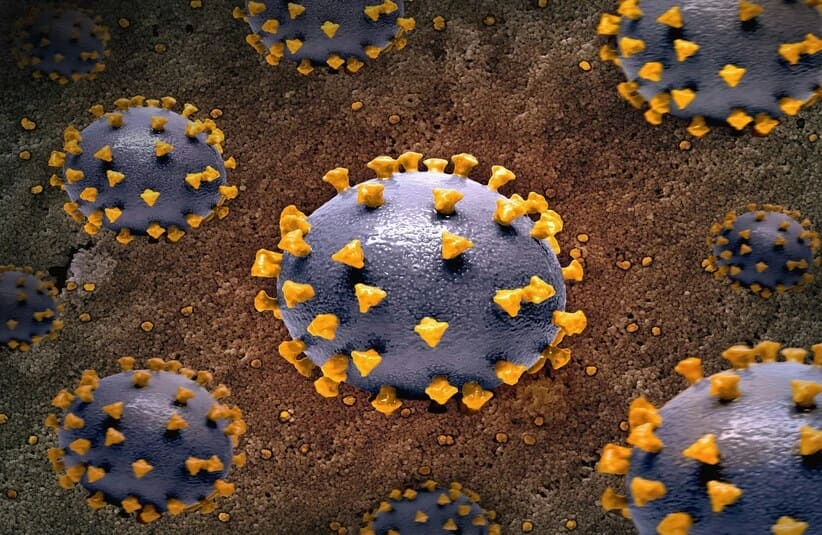
A Florida college is at the center of the largest measles outbreak on a U.S. university campus in recent memory, a development that has public health experts rethinking the threat the virus poses to young adults. More than 40 measles cases have been confirmed at Ave Maria University in southwest Florida, raising concerns among university leaders that the disease, long considered a childhood illness, may now present a growing danger to unvaccinated or under-vaccinated college students.
Florida Campus Reports Major Measles Outbreak
This isn’t an isolated event. The virus has already disrupted several campuses across the country this year. In South Carolina, more than 80 students at Clemson University and Anderson University faced quarantine in January after each institution reported a single case. Officials at the University of Wisconsin-Madison notified roughly 4,000 people this month of a potential exposure.
Similarly, the University of Florida informed students that two classes at its Gainesville campus had been exposed. These incidents signal a troubling trend for institutions of higher learning. Most colleges require proof of measles vaccination, typically as part of the measles-mumps-rubella (MMR) vaccine. However, many institutions grant exemptions for religious or personal beliefs.
No national data tracks vaccination rates specifically among college students, but anecdotal evidence suggests a rise in personal exemptions in recent years. Dr. Sarah Van Orman, past president of the American College Health Association and chief campus health officer at the University of Southern California, noted that colleges are now preparing for the inevitability of the virus on campus. For most of us, it’s not if we’ll get a case, she said, but when.
Health Experts Warn Of Growing Campus Threat
Before the measles vaccine arrived in the 1960s, the illness was a universal childhood experience. Nearly all children contracted the virus before turning 15. Roughly 450 people die from the infection every year, and the rest build natural immunity well before adulthood. Today’s college students, however, grew up in a different world. High vaccination rates made exposure during childhood unlikely. Yet today’s young adults were children during the early years of the modern vaccine skepticism movement.
Dr. Michael Osterholm, an infectious disease expert at the University of Minnesota, explained the current vulnerability. A group of individuals in their early 20s is now unprotected. They never had measles, they’ve never been vaccinated, and they exist in large enough numbers to fuel more outbreaks. This demographic gap creates a perfect opportunity for the virus to find a foothold.
Officials Track Virus Spread Through Dorms
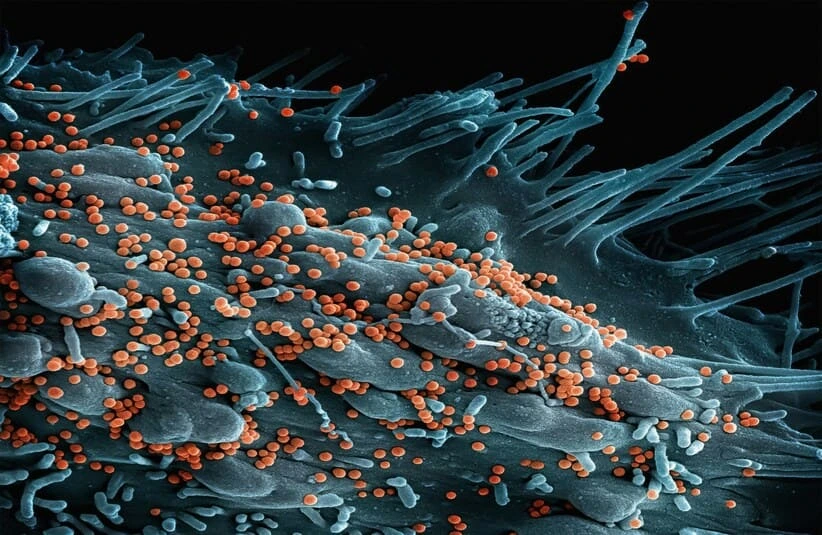
Ave Maria University asks students to submit proof of MMR vaccination, but it allows opt-outs. Students can sign a waiver acknowledging awareness of the diseases’ risks, in accordance with Florida law. The university did not respond to a request for comment on the current outbreak. Its website states that the vast majority of people on campus are vaccinated, but the exact percentage with exemptions remains unclear.
Even slight drops in immunization rates can make a community vulnerable to the highly contagious airborne virus. The spread of measles requires a community immunity rate of roughly 95 percent to prevent transmission. College campuses are an ideal environment for such a virus to propagate. They bring together people from across the country and the world, increasing the risk that an infected student will import the virus from an area where it is spreading.
Once a case lands on campus, containing it becomes difficult. Students live, eat, study and socialize in close quarters. It is also possible, though much less common, for the virus to infect vaccinated people whose immunity from the shots has waned over time. In response to these recent events, colleges have been refining their outbreak plans.
Wake-Up Call For Campuses
Dr. Van Orman said institutions are collecting immunization data to identify which students would need to enter quarantine in case of an exposure. Some colleges are even contemplating stricter vaccine requirements to protect their communities. The urgency is driven by the disease’s resurgence. This outbreak arrives during a dire period for the virus in the United States.
There were 2,280 confirmed measles cases nationwide in 2025, the highest annual total since the disease was declared eliminated in 2000. Lauren Gardner, a public health expert at Johns Hopkins University, expects the case count this year to climb even higher, largely due to declining childhood vaccination rates.
More than 700 cases have already been reported this year, with many connected to a massive outbreak in South Carolina. Florida now holds one of the highest case counts in the country, a distinction driven primarily by the situation at Ave Maria. The return of measles to college campuses underscores the long-term consequences of slipping immunization rates and the constant threat posed by a highly infectious pathogen.
