
Breathe Easy: Sleep Apnea Treatment In Tablet Form

Living a quality life with sleep apnea is kind of like trying to rest with a small elephant camped out on your chest. You wake up gasping for air over and over — sometimes without even knowing it — and spend the next day running on fumes and short patience. But there’s this medication, sulthiame, that might actually help people with obstructive sleep apnea breathe better through the night and finally get some real rest. Imagine swapping out that clunky mask on your nightstand for just a simple pill.
European Trial Shows Promise for Sleep Apnea Treatment
A new study out of Europe, with big help from the University of Gothenburg, is giving folks with sleep apnea some real hope. Basically, researchers think they might have found a way to treat the condition with medication for people who just can’t handle those clunky breathing masks. The results just dropped in The Lancet, which is a pretty huge deal in the medical world — it gives the whole thing instant street cred.
Researchers had 298 people dealing with moderate to severe sleep apnea take part. Most of them got varying doses of a drug called sulthiame, while a quarter were given a placebo. The trial took place in four different European countries and was double-blind, so nobody knew who was getting the real stuff versus the dummy pills. So, could this finally be the game-changer for the millions out there tossing and turning every night?
Gothenburg Team Cracks Apnea’s Code
People getting higher amounts of sulthiame saw their breathing pauses during sleep drop by as much as 47% compared to folks on a placebo. Their oxygen levels also got better overnight, which matters a lot for staying healthy long-term. How it works is that sulthiame seems to help steady the body’s breathing control and boost the drive to breathe. That makes it less likely for the upper airway to collapse during sleep, and that collapse is really what causes obstructive sleep apnea in the first place.
Side effects from the study were mostly mild and didn’t stick around long, so researchers are feeling pretty optimistic. Jan Hedner, a senior professor of pulmonary medicine at the Sahlgrenska Academy at the University of Gothenburg, has been heading up this research. For people who’ve tried everything else to get their sleep apnea under control, this could be a game-changer.
Upper Airway Receives Pharmaceutical Support
This research team has been digging into this treatment approach for a while now, and their findings suggest that sleep apnea might actually respond to medication. That feels like a pretty big deal. Now they’re hoping to move forward with bigger, longer studies to see where this could go. Ludger Grote and Kaj Stenlöf from the University of Gothenburg were key contributors to the work.
So, just to break it down — obstructive sleep apnea happens when your upper airway keeps collapsing while you’re asleep. That leads to stopped breathing, drops in oxygen, and constant sleep disruptions. If it’s not treated, it can set the stage for some pretty serious health issues like high blood pressure, heart disease, stroke or type 2 diabetes. Makes you wonder — how many people are dealing with this condition simply because they can’t stick with the usual treatments?
Mask Haters Rejoice: Pill Is Here
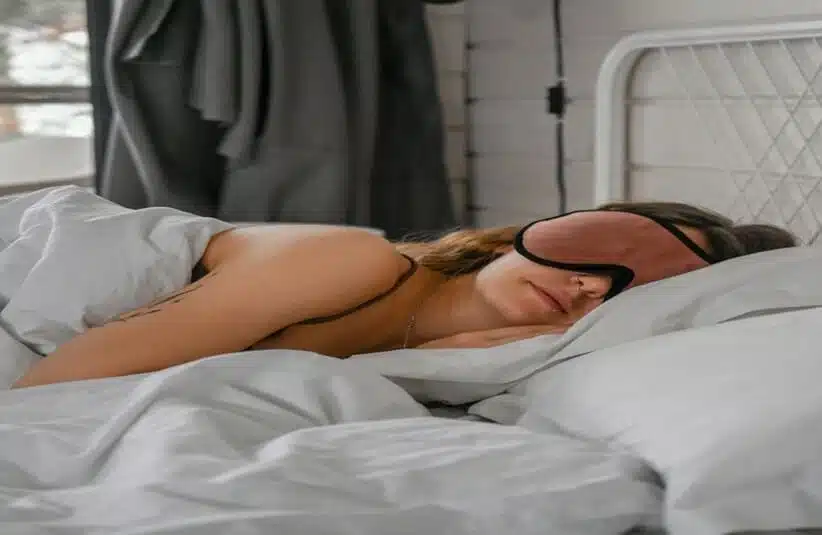
Sleep apnea is something a huge number of people deal with, but even with all that, there’s still no medication out there that actually fixes what’s causing it. The main treatment right now is called CPAP, which stands for continuous positive airway pressure. It’s basically a machine connected to a mask that keeps your airways open while you’re asleep. And sure, it does the job — when people actually use it. The catch is, a lot of people just can’t get used to it.
The mask feels awkward, it’s uncomfortable, or it messes with their sleep even more. Honestly, around half of the people who try it end up ditching it within the first year. So here’s where it gets kind of cool: there’s this older drug, sulthiame, that’s been used for years to treat a specific kind of epilepsy in children. Now researchers are starting to explore whether it could also help with sleep apnea. Which raises the question — could repurposing this old-school medication actually be the breakthrough that lets millions of people finally get a good night’s sleep without all the fuss?
Drug Repurposed, Sleep Restored, Partners Thankful
Picture this: no clunky CPAP machine, no hoses, no masks — just a pill that helps you breathe easier at night. It might sound like wishful thinking, but scientists are actually getting closer to making it happen. And if it works, it could change everything for the millions of people dealing with sleep apnea. It’s not just the person with the condition who suffers. Bed partners lose sleep too — kept awake by the snoring, the gasping, the constant tossing and turning. A daily med could quiet all that chaos. Both partners would finally get the rest they need, without the noise or the hassle.
A European trial is gaining traction in the medical community. The trial includes a drug called sulthiame, which is showing some early promise. But we’re not there yet. Researchers still need to run much bigger trials to make sure it’s safe over the long run and actually works for different kinds of people. Still, there’s this quiet buzz in the air. No one wants to jinx it, but it’s hard not to feel a little hopeful. Everyone in the sleep medicine world is watching closely — waiting to see if this could really be the breakthrough it seems like.
Sleep Apnea Sufferers Get Their Nights Back
Sleep apnea doesn’t play favorites — it affects all kinds of people, no matter their age or body type, even though carrying extra pounds or having other health stuff going on can make it more likely. A ton of folks dealing with this feel a little awkward about it, or they just give up and convince themselves that being exhausted all the time is just how life is now. They drag themselves through mornings and afternoons fueled by coffee and stubbornness, not realizing that good sleep might actually be possible for them.
Taking a simple pill instead of wrestling with a mask could skip all the embarrassment and headache that comes with those bulky machines. Someone could just pop a tablet before bed and let their body handle business, breathing easy straight through until morning. Both doctors and patients appreciate how clean and simple a solution sounds when it doesn’t mean auditioning for a sleep study every single night. Research keeps moving forward, so sleep apnea doesn’t have to call the shots forever.
