
Trump Press Conference Explains Why the U.S. Struck Venezuela and Captured Maduro
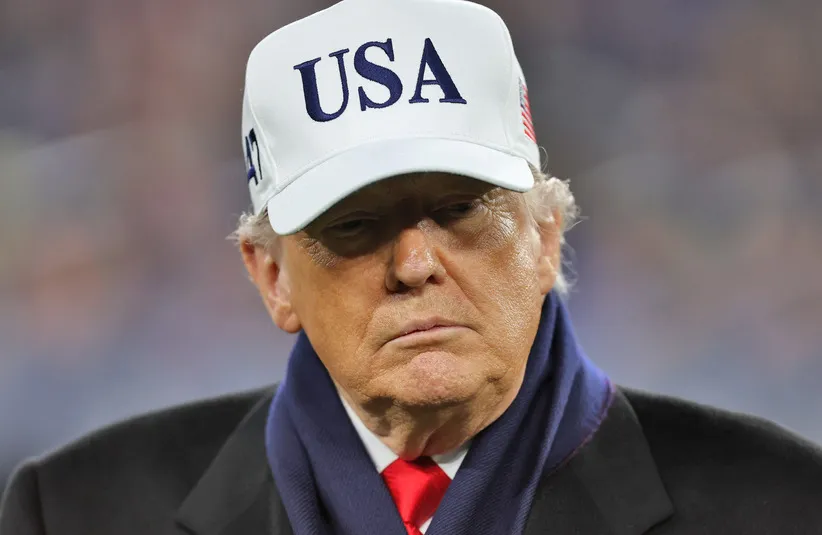
Hours after explosions over Caracas and U.S. forces carried out a sweeping military operation that ended with the capture of Venezuelan President Nicolás Maduro, President Donald Trump stepped before cameras at Mar-a-Lago to explain what happened, why it happened, and what comes next.
The Trump press conference, held late Saturday morning, marked the administration’s first full attempt to outline the reasoning behind the strike and the future of a country now abruptly without its longtime leader.
Why the U.S. Took Action in Venezuela
Standing against a row of flags, Trump described the overnight mission as a “large-scale strike” that had been months in the making. He said the U.S. acted after what he called “continued threats” from Maduro’s government and insisted the operation was carried out with precision and without American casualties.
Trump said Maduro and his wife, Cilia Flores, were “captured and flown out of the country” after elite U.S. forces entered their residence during the early-morning raid. The president praised the military’s execution of what Joint Chiefs of Staff Chairman Gen. Dan Caine later identified as Operation Absolute Resolve, involving more than 150 aircraft across the Western Hemisphere.
When asked directly why the U.S. attacked Venezuela, Trump pointed to what he described as a collapsing state, a failing oil industry, and a government he said had “run out of legitimacy.” He also dismissed concerns that the U.S. could be drawn into a prolonged occupation, saying, “It won’t cost us anything,” because Venezuela’s oil revenue would reimburse American expenses.
Trump’s Plan for Venezuela Moving Forward
Trump said the U.S. would “run the country” indefinitely while rebuilding Venezuela’s oil infrastructure, calling the nation’s energy sector “a total bust” that American companies would now help restore. He did not offer a timeline for withdrawal, saying only that the U.S. would remain until Venezuela was “back on track.”
Maduro, meanwhile, is expected to arrive in New York to face drug and weapons charges. Flores was also taken into custody. Their capture has left Venezuela in political limbo, with opposition leader María Corina Machado urging the installation of an interim opposition figure, while the country’s foreign minister insists Maduro remains the rightful head of state.
On the streets of Caracas, reactions ranged from celebration to fear. Some Venezuelans welcomed what they called “positive change,” while others worried the U.S. intervention could deepen an already fragile national crisis.
What Comes Next for U.S. Forces and Regional Stability
Trump said American oil companies would soon restart operations and invest billions to repair what he called “rotted” infrastructure. He also emphasized that the transition to a new Venezuelan government “takes a period of time,” signaling that U.S. involvement will not be brief.
Military analysts noted that the USS Iwo Jima and other assets had been positioned in the region for weeks, suggesting the operation was long planned. Trump did not confirm specific deployments but said more details would be released in the coming days.
Key Takeaways
The Trump press conference outlined:
• The U.S. carried out a coordinated overnight strike that resulted in the capture of Venezuelan leader Nicolás Maduro and his wife, Cilia Flores.
• Trump said the U.S. will temporarily “run the country” while rebuilding Venezuela’s failing oil infrastructure.
• Maduro is expected to face drug and weapons charges in New York, leaving Venezuela in political limbo.
• Venezuelans remain split, with some celebrating the intervention and others fearing deeper instability.
• U.S. officials signaled that the transition to a new Venezuelan government will take time, and American involvement will not be brief.
FAQ: What We Know After the Trump Press Conference
Why did the U.S. launch a strike on Venezuela?
Trump said the operation was a response to “continued threats” from Maduro’s government and the collapse of Venezuela’s political and economic systems. He argued that the country had “run out of legitimacy” and required outside intervention.
How was Maduro captured?
According to Trump, elite U.S. forces entered Maduro’s residence during an early‑morning raid. Maduro and Cilia Flores were taken into custody and flown out of the country without American casualties.
What is Operation Absolute Resolve?
Gen. Dan Caine identified the mission as Operation Absolute Resolve, involving more than 150 aircraft positioned across the Western Hemisphere. Trump praised the military for executing the strike with precision.
What happens to Venezuela now?
Trump said the U.S. would “run the country” for an indefinite period while rebuilding its oil infrastructure. He did not provide a timeline for withdrawal, saying the U.S. would stay until Venezuela was “back on track.”
How are Venezuelans reacting to the operation?
Reactions in Caracas range widely. Some residents view Maduro’s capture as a chance for “positive change,” while others fear the intervention could worsen an already fragile national crisis.
