
Mississippi Redistricting Fight: Supreme Court Ruling Forces New District Map Debate
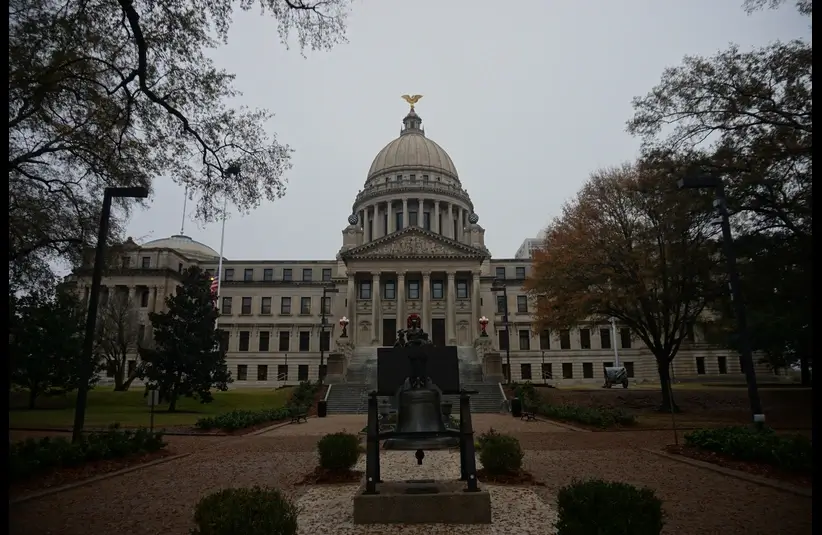
Mississippi is once again at the center of a growing national conversation around voting rights and redistricting as the state prepares for an upcoming Supreme Court ruling that could force a review of its judicial district maps. The expected decision has already prompted Gov. Tate Reeves to call for a special legislative session, signaling that changes may be coming sooner than anticipated.
At the heart of the case is a key question: Do Mississippi’s current judicial districts fairly represent Black voters? Critics argue the maps dilute minority voting power, while the court has made clear that the state must reassess its approach under federal law, even though it has not yet issued a final ruling.
Why This Supreme Court Decision Matters Beyond Mississippi
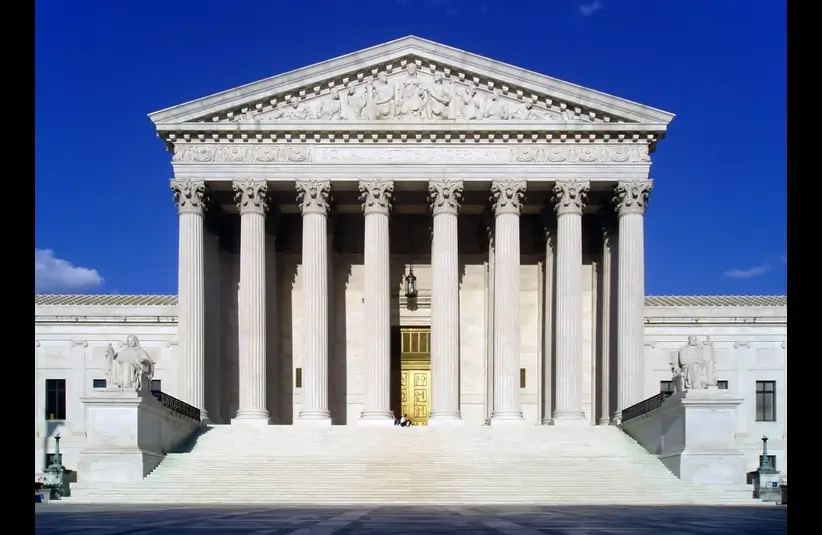
The decision could alter how judicial districts are crafted, particularly in states where minority voting power has been questioned. While Mississippi is the starting point, the implications may spread across the country as similar court battles continue to unfold. This moment puts Mississippi alongside several states wrestling with how to balance political boundaries and fair representation. What happens next here could quietly influence how courts handle redistricting disputes moving forward.
Supreme Court Ruling Triggers Mississippi Redistricting Review
The Supreme Court’s pending ruling does not immediately redraw Mississippi’s maps, but it makes one thing clear: the current system is under serious legal scrutiny. The case centers on whether existing judicial districts violate the Voting Rights Act by limiting the influence of Black voters in certain regions. Lower courts had already sounded alarms about the district maps, triggering challenges that worked their way upward.
The Supreme Court’s response signals that those issues are real and must be addressed, even though the final decision is still in progress. For Mississippi lawmakers, this creates both pressure and opportunity. They now have a narrow window to revisit the maps and attempt to address the concerns before further court intervention forces their hand.
Governor Calls Special Session as Pressure Builds
Gov. Reeves did not wait long to respond. In a public statement, he announced plans to call a special legislative session, making it clear that the issue is now front and center for state leaders. He emphasized that lawmakers should have the first opportunity to redraw district lines, particularly as the legal landscape continues to evolve. At the same time, he pointed to an upcoming Supreme Court decision that could further define how redistricting must be handled moving forward.
The timing of the session is not random. Reeves indicated it will take place 21 days after the Supreme Court issues its decision in a related case. This may be suggesting the state wants as much legal clarity as possible before making major changes.
A Broader Political and Legal Ripple Effect
Mississippi’s situation is not happening in isolation. Across the country, redistricting battles have become a defining issue in the broader debate over voting rights and political representation. What makes this case especially striking is its focus on judicial districts rather than the congressional maps people usually hear about. It may sound like a technical distinction, but it has real consequences for how courts mirror the communities they serve. These boundaries decide who interprets the law, which gives this fight more weight than it might seem at first.
If courts keep digging into these district lines, other states could quickly find themselves facing the same scrutiny. That possibility pushes the stakes far beyond Mississippi, turning what looks like a local issue into a national storyline. How this plays out could influence judicial redistricting battles across the country.
What Happens Next
For now, attention is fixed on Mississippi’s legislature and the next move from the courts. Lawmakers must decide whether to act quickly or wait for additional legal guidance before redrawing the district maps. Their choice will shape how swiftly the state responds to the mounting pressure around judicial representation.
There is also the question of how extensive the changes will be. Adjusting district lines is one challenge, but doing so in a way that satisfies both legal standards and political realities is far more complicated. The balance between compliance and strategy will define the next phase of this fight.
One thing is certain: this debate is nowhere near finished. Whether lawmakers take the lead or the courts step in more forcefully, Mississippi’s redistricting battle is poised to remain part of the national conversation. The outcome will likely influence how similar disputes unfold in the months ahead.
