
Arctic Ocean Losing Critical Nutrient as Climate Change Threatens Marine Food Web
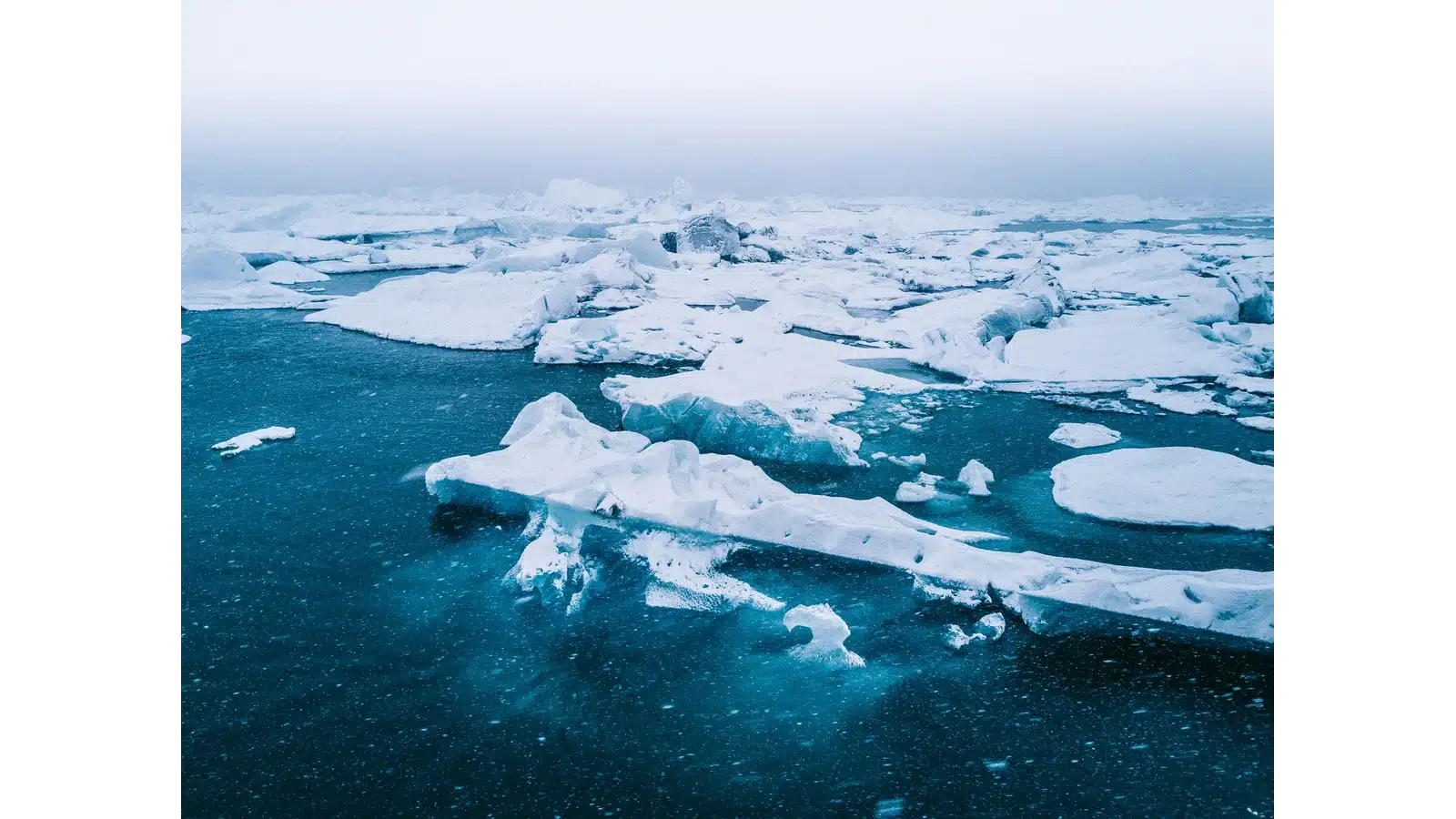
The Arctic Ocean is losing its chill in more ways than one. Scientists now see a sharp drop in nitrate, a nutrient that tiny plankton need to grow. Without enough of the nitrate for the plankton, the whole marine food web starts to feel a bit empty. The culprit, as you might guess, is the thing we call climate change. That may sound like a small chemical shift, but researchers say it could reshape everything from plankton populations to the Arctic’s role in storing carbon.
Climate Change Is Reshaping the Arctic Ocean’s Nutrient Balance
Climate change has yanked away the sea ice that once shaded shallow waters. More sunlight hits the seafloor. This sounds nice until you learn it speeds up a process that turns nitrate into useless nitrogen gas. Researchers call this benthic denitrification, which is a fancy way of saying the ocean is eating its own lunch. Scientists say the process is reducing the nutrients available to support marine life.
The study, published in “Communications Earth & Environment”, points to a turning point around 2009. Since then, nitrate levels have steadily declined in water leaving the Fram Strait. When nitrate gets scarce, smaller plankton species tend to take over. Bigger plankton support richer food webs, the kind that feed fish, seabirds and seals.
When nitrate becomes scarce, smaller plankton species often become more dominant. Researchers say those shifts can reduce the amount of energy available to support larger marine organisms. Climate change has flipped the script: the Arctic Ocean was once light-limited, but now it is nitrate-limited.
The Carbon Sponge Loses Its Squeeze
Plankton also pull carbon dioxide out of the air, a free service we take for granted. Less plankton growth means the Arctic Ocean becomes a weaker carbon sponge, which is bad news for a warming planet. Scientists from the University of Edinburgh and the Norwegian Polar Institute agree this shift looks permanent.
What happens in the Arctic rarely stays in the Arctic. Researchers warn that declining nitrate levels could ripple through marine ecosystems and eventually affect fisheries across parts of the North Atlantic. The findings suggest the region may be approaching an ecological tipping point, with consequences that could unfold for decades.
No Return Ticket to the Old Arctic
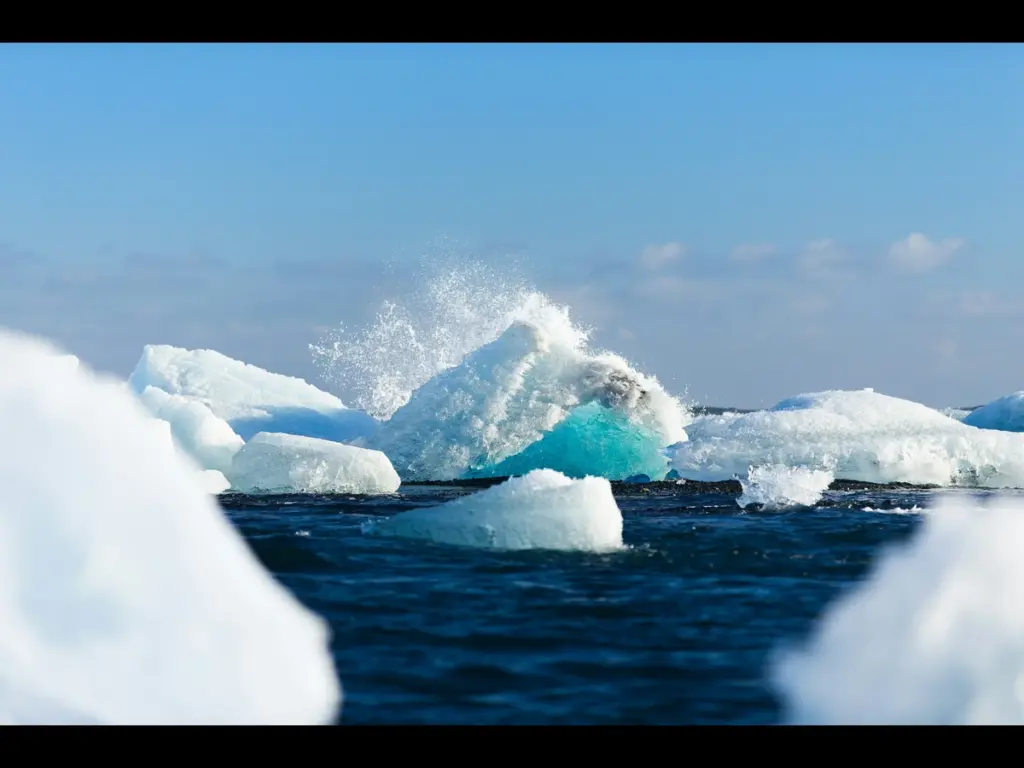
Researchers warn that the Arctic Ocean is unlikely to bounce back to its previous state, a bit like trying to unscramble an egg. Professor Raja Ganeshram, who led two decades of sampling, says the food chain needs close watching. Commercial fishing zones in the North Atlantic could feel the shockwaves, which matters for dinner plates far from the ice.
Marta Santos-García, a PhD student involved in the research, said increased sunlight was initially expected to support biological productivity. Instead, researchers found that nutrient losses outweighed those gains, creating new challenges for the Arctic ecosystem.
What the Fram Strait Can Teach Us
The study used more than 20 years of data from the Fram Strait, a key corridor where Arctic water flows into the Atlantic. That long view helped spot the 2009 turning point, a year that might otherwise seem unremarkable. Researchers from Denmark and Germany also added to the analysis.
Researchers are still investigating whether similar nitrate losses could occur in other polar seas. What makes the Arctic finding especially striking is how gradually it developed. Like many climate-driven changes, the trend built slowly over the years before reaching a point where scientists could clearly see its impact on the ecosystem.
Additional News from Total Apex Herald
- The Low Bar Of Mere Autism Awareness in 2026
- FIFA’s World Cup Dreams ICE-Cold Reality as Strike Threat Looms
Follow David Gilbert for Entertainment, Gaming, and Current Affairs Coverage
Stay connected with David Gilbert for the latest updates on entertainment, gaming, technology, science, and current affairs.
You can also explore more of David Gilbert’s reporting and analysis across Total Apex Entertainment and Total Apex Herald.
