
Lost To Time: The Moringa Seed – 10 Amazing Revelations
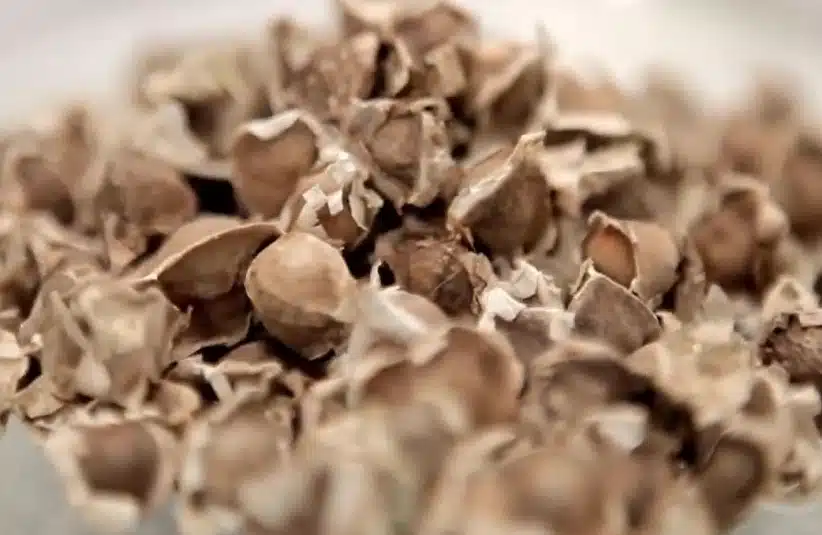
There was a time when the Moringa Tree was commonly used, though back then, it was known as the Bak Tree. The seeds were said to have spread across the world and were used by many civilizations for many things, such as perfume and medicine. One of the many uses for the Moringa seed has been found once more. Scientists have recently conducted studies and found that they match or could outperform the current standard for filtering out microplastics.
So what are 10 fascinating things about this miracle tree from an age long-since gone?
1. PVC Target: The Toughest Plastic In Our Water
A study was published in Jan. 2026 by ACS Publications that highlighted polyvinyl chloride (PVC) particles and their removal from our water supply. With microplastics being a growing concern and PVC being among the most harmful, not just being a physical pollutant, but also having harmful additives like industrial chemicals and heavy metals. The study proved that PVC is resistant to the natural process of breaking down. It also cited previous research showing serious potential for genetic damage or contributing to cancer in living tissue if consumed in our drinking water.
2. Laboratory Testing: 98% Success Rate
In the effort to test the success rate, the study put the Moringa seed up against the commonly used aluminum sulfate (alum), which is currently used in water plants to clean our drinking water. They lab tested synthetic water with high levels of PVC microplastics and saw from 98.5% to 98.7% of the particles removed. This is on par with the current expensive chemicals used across the world to clean our consumable water regularly.
3. How It Works: Magnetic Charge
When they increased the amount of crushed seed in the synthetic water, they saw even higher results, reaching nearly 99% reduction. The improved numbers were connected with the fact that the microplastics are negatively charged, while the Moringa seeds are positively charged. The crushed seeds’ powerful positive charge resulted in a magnetic-style fashion, attaching to the microplastics and making them clump together. The clumped-up microplastics became heavy to the point that they sank to the bottom.
4. Magic Seed: Over-Aged Pollution
Through the testing phase of their research, their tests used a blend of fresh plastic and artificially aged PVC using UV radiation. The goal was to mimic the way plastic behaves as it enters the process of degrading, as it becomes brittle and more toxic, and leaches chemicals after years in the sun. The Moringa seeds were found to be capable of clearing weathered plastic just as they were with newer microplastics.
5. Extreme Resilience: A pH Advantage
The industrial chemical alum is very picky and works best within a narrow range of water acidity, requiring a constant alkalinity at or below 7.0, with no improvement in the controlled test in alkaline water (8.0 pH). The crushed Moringa seed was drastically different as it was able to filter at high pH levels, making it a more versatile form of water filtration. It was seen as consistently effective between 5.0 and 9.0, while the alum began forming negatively charged particles.
6. Simplifying Infrastructure: In-Line Breakthrough
Large water treatment plants have big, slow-moving tanks to clear out toxins and pollutants, and have extra steps like chemical agents and a drawn-out period of deposits settling. ScienceDaily shed some light on how the saline extract from Moringa seed makes for the perfect in-line filtration system on April 20, 2026. The research they were looking at was for relatively clear water that doesn’t need as many treatment steps to be sent to the consumers.
The seed’s magnetic clumping mechanism works so efficiently in attaching to and sinking PVC particles that the process can happen while water is moving through the pipes. It makes the Moringa seed extract a viable way to create smaller and faster water treatment systems, and may be cheaper than the large plants requiring large quantities of land to cleanse the water.
7. Beyond The Laboratory: Getting Real-World Ready
The Moringa seed isn’t limited to a controlled experiment; research teams have already gone beyond the synthetic water testing and are now seeing how it works on water collected from the Paraíba do Sul River in Brazil. So far, early results suggest Moringa seeds are just as effective in a natural river environment at grabbing microplastics as they are in the lab. With increased scrutiny and health concerns posed by using alum, a biodegradable solution looks to be within grasp.
8. The Sludge: Cleaning Without Waste
Something no one wants to talk about is the amount of sludge produced by using alum in order to filter our drinking water. Euronews was quick to point out this little fact in an article on April 21, 2026, stating that this gunk is difficult to dispose of and ends up in a landfill. This is where the toxins leach into our soil and our waterways; this is harmful for the environment. Due to the Moringa seed being organic, it is biodegradable and non-toxic, resolving our microplastic crisis without making a big mess.
9. Health Factors: Avoiding Residual Toxicity
A major point of concern with the current standard of water filtration using alum is residual toxicity. While it proves to be an effective purifier, improper use can result in raised aluminum in water. Euronews says that there are links made connecting neurological disorders, such as Alzheimer’s disease, with high aluminum levels. This is a major factor in considering the Moringa seed extract, which is a natural plant-based alternative, and can be processed using simple salt.
10. The Miracle Tree: A Triple-Threat Climate Saviour
The Moringa seed is noted for its resilient and fast growth, with a resistance to drought complications. It doesn’t require much water to keep the tree going, and it doubles as a perennial crop, one that lasts more than two years. It effectively has little to no maintenance requirements, acting as a carbon sink due to its ability to thrive in dry conditions and degraded soils. It is valued for its extreme biodiversity as well as its wide range of uses.
