
Backrooms Research Uncovers the Psychology of Empty Rooms
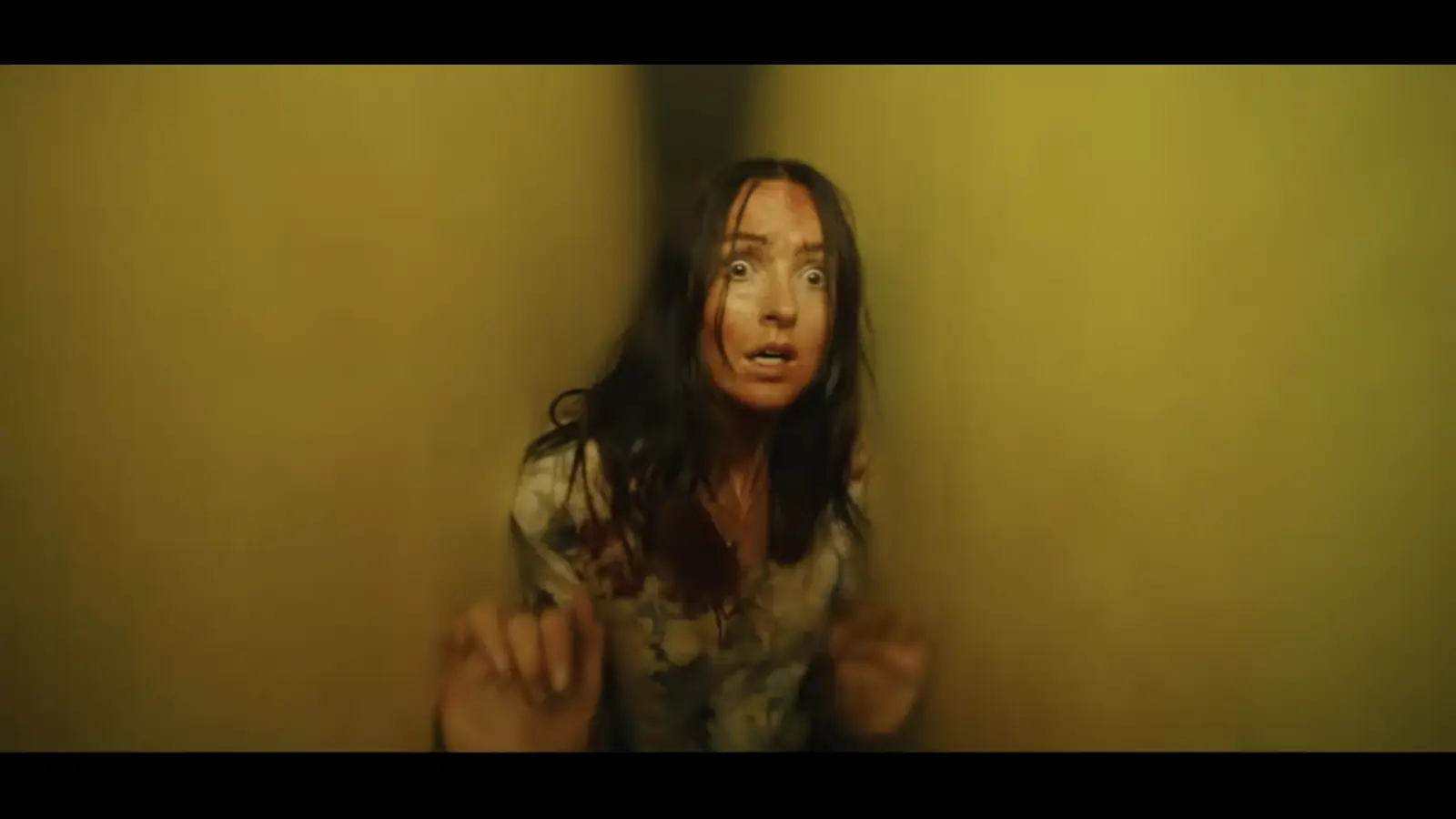
Backrooms took over the internet because they tap into something real. The Backrooms are a never-ending stretch of soggy carpet and humming overhead lights that people say you can fall into through everyday glitches. The Backrooms started with one creepy photo posted on 4chan in 2019, and from there the whole thing turned into a cultural monster. It is digital campfire storytelling, and it is frightening in the most ordinary way possible.
Old Offices and Flickering Tubes
The idea behind the Backrooms is straightforward: you slip through a crack in the world and end up in a boundless office building. The place offers no way out, just stained wallpaper and the steady drone of fixtures that never switch off. You could wander for hours and run into nothing but matching rooms repeating into the distance.
The Backrooms play on that basic dread of being trapped in a place that seems almost familiar but is entirely off. People liken it to the back corridors of a hotel or that weird middle-school hallway nobody wanted to walk down alone. The place isn’t about ghosts or creatures; it’s about being somewhere you should not be, and that makes it creepier than any monster under the bed.
From a Single Image to a Massive World
That original Backrooms picture showed one beige room with a sagging ceiling tile, and it sparked a sprawling collaborative project. Forums, video platforms, and social media feeds have all stacked new details onto this collective delusion. Filmmaker Kane Parsons turned the photo into a viral found-footage web series, which he has since adapted into A24’s feature film “Backrooms” (2026), starring Chiwetel Ejiofor and Renate Reinsve.
The Backrooms stand apart from Slenderman and other creepypastas because they depend on people jumping in and adding their own pieces. “As the online community often puts it, ‘The Backrooms are a collaborative canvas where everyone gets to paint their own corner of the nightmare,'” and that makes them different from just watching a horror film. Audiences are not passively absorbing a tale; they are building out the Backrooms with their own maps, games and virtual reality experiences.
Making the Everyday Feel Wrong
Unlike the usual urban legend repeated word for word, the Backrooms ask people to walk through them and poke around. As reported by The Conversation, folklorist Michael Kinsella has described this kind of participation as “online legend-tripping,” in which people become contributors and world-builders rather than passive audiences. The place works like a digital bonfire where everybody drags their own piece of wood to throw in.
What makes the horror stick is how bland everything is; there are no demons or killers, just forgotten cubicles and dull wallpaper that you have passed in a dozen actual buildings. The whole thing twists the familiar into something unsettling, and that tactic never loses its punch. The eerie location makes you eye that supply closet or that empty stairwell and wonder if you might sink through the floor one day.
Stepping In Instead of Tuning Out
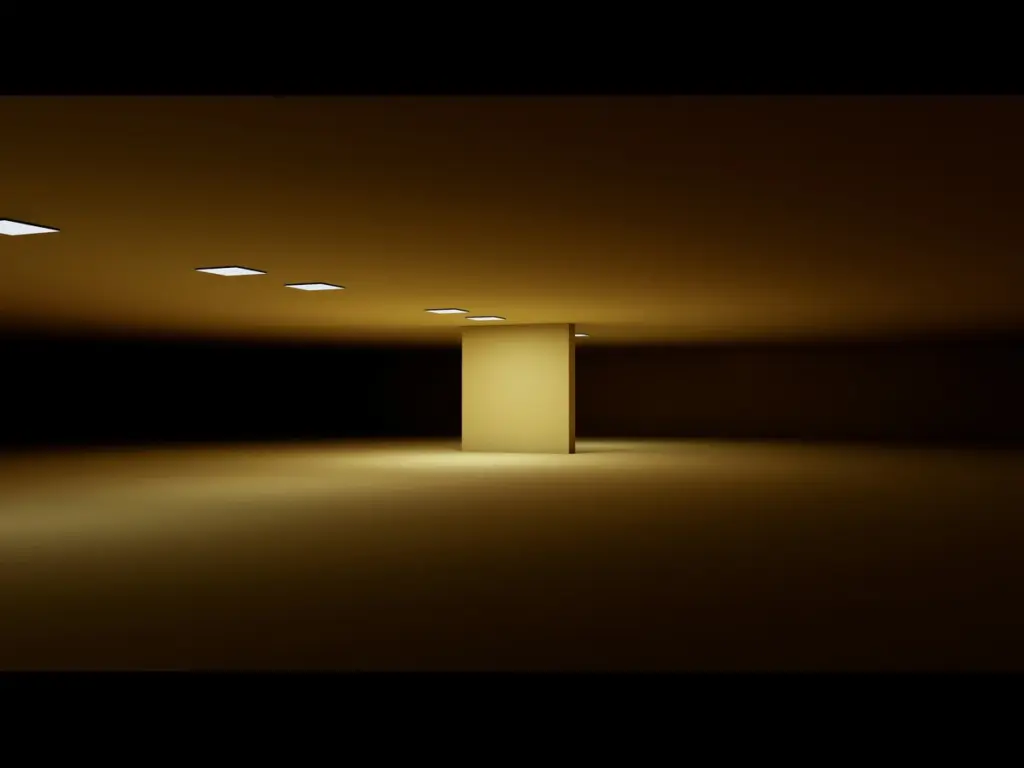
People do not just consume the Backrooms and move along; they climb into the world through video games, VR goggles and immersive online roleplay. That mix of storytelling, tourism, and play is what keeps it alive. People are not exactly terrified of the locations as much as they are drawn to them, and that creates a strange pull.
The Backrooms give you a place to explore with no real danger, yet they still make your palms go clammy. They feel like a haunted house you can visit from your living room, and that easy access explains a lot of their appeal. The community keeps piling on fresh levels and new guidelines, so the Backrooms are always in motion.
The Unsettling Truth Behind Liminal Spaces
Liminal spaces are those haunting images of empty corridors, eerily lit rooms, and desolate open areas that somehow feel both familiar and deeply wrong. You have probably seen them floating around the internet, with their retro aesthetics and unsettling emptiness that makes your brain do a double-take. The niche internet aesthetic has gone mainstream, most notably with the A24 film “Backrooms,” which follows a furniture store owner and his therapist discovering an endless labyrinth of liminal rooms.
Psychology researchers have identified real mechanisms behind why these images provoke unease. The whole idea of a liminal space comes from liminality, which is an anthropological term for that weird, foggy feeling you get when you are in between things, like waiting for something to start or moving from one place to another. That is exactly why these images often feature corridors, waiting rooms and empty roads: they are the physical versions of being stuck in transition.
Familiar Places, Unsettling Feelings
A lot of these pictures lean hard into that ’80s and ’90s look, which is probably why millennial and Gen Z internet users find them so strangely familiar and nostalgic at the same time. The creepiness kicks in because of the uncanny valley effect, where everything looks normal at first glance, but the lighting is wrong, or there are no people, or the proportions feel slightly off in a way your brain cannot ignore.
You recognize the space, but something isn’t adding up, and that gap between what you see and what you expect creates that uneasy, skin-crawling feeling. The movie “Backrooms” plays directly into that discomfort by dropping its characters into an endless maze of these environments, trapping them in a world where nothing feels quite right.
Backrooms Psychology Explained
A 2022 Cardiff University study examined why liminal spaces provoke unease. Researchers showed participants more than 100 images of these eerie, in-between places and found that the creepiness comes from how they twist familiar patterns just enough to throw us off. You look at a space and recognize it, but something is slightly wrong, and that contradiction leaves you unsettled even if you cannot put your finger on why.
That contradiction is what makes liminal spaces so effective, as they hit something deep and instinctual that resists easy explanation. “Backrooms” movie clearly gets that, using recognizable but slightly off environments to build dread without falling back on jump scares or gore. Anyone who has stared at a photo of an empty mall at night, or a hallway that seems too long, and felt a shiver run down their spine will recognize the feeling.
Virtual Places That Stick With You
The Backrooms hint at a future where made-up digital worlds matter just as much as actual locations. People sink real hours and real attachment into drawing out these imaginary hallways, even though they have no physical existence. The Backrooms function as a cultural spot you can revisit over and over, like a favorite getaway that lives entirely inside your head.
The whole thing suggests that our bond with places comes from shared stories and memories, not from concrete and steel. The Backrooms are not merely a tale; they are a place you can go, and that is what cements them in the cultural memory. The Backrooms could disappear someday, but right now they feel like a second home, just one with awful lights and no doors out.
Written with the help of AI, reviewed and edited by David Gilbert
Additional News from Total Apex Herald
- Brain’s Cells Survive DNA Destruction Derby
- Brain Health Study Finds Daily 5-Minute Exercises Improve Thinking at Any Age
Follow David Gilbert for Entertainment, Gaming, and Current Affairs Coverage
Stay connected with David Gilbert for the latest updates on entertainment, gaming, technology, science, and current affairs.
You can also explore more of David Gilbert’s reporting and analysis across Total Apex Entertainment and Total Apex Herald.
