
Brain’s Cells Survive DNA Destruction Derby
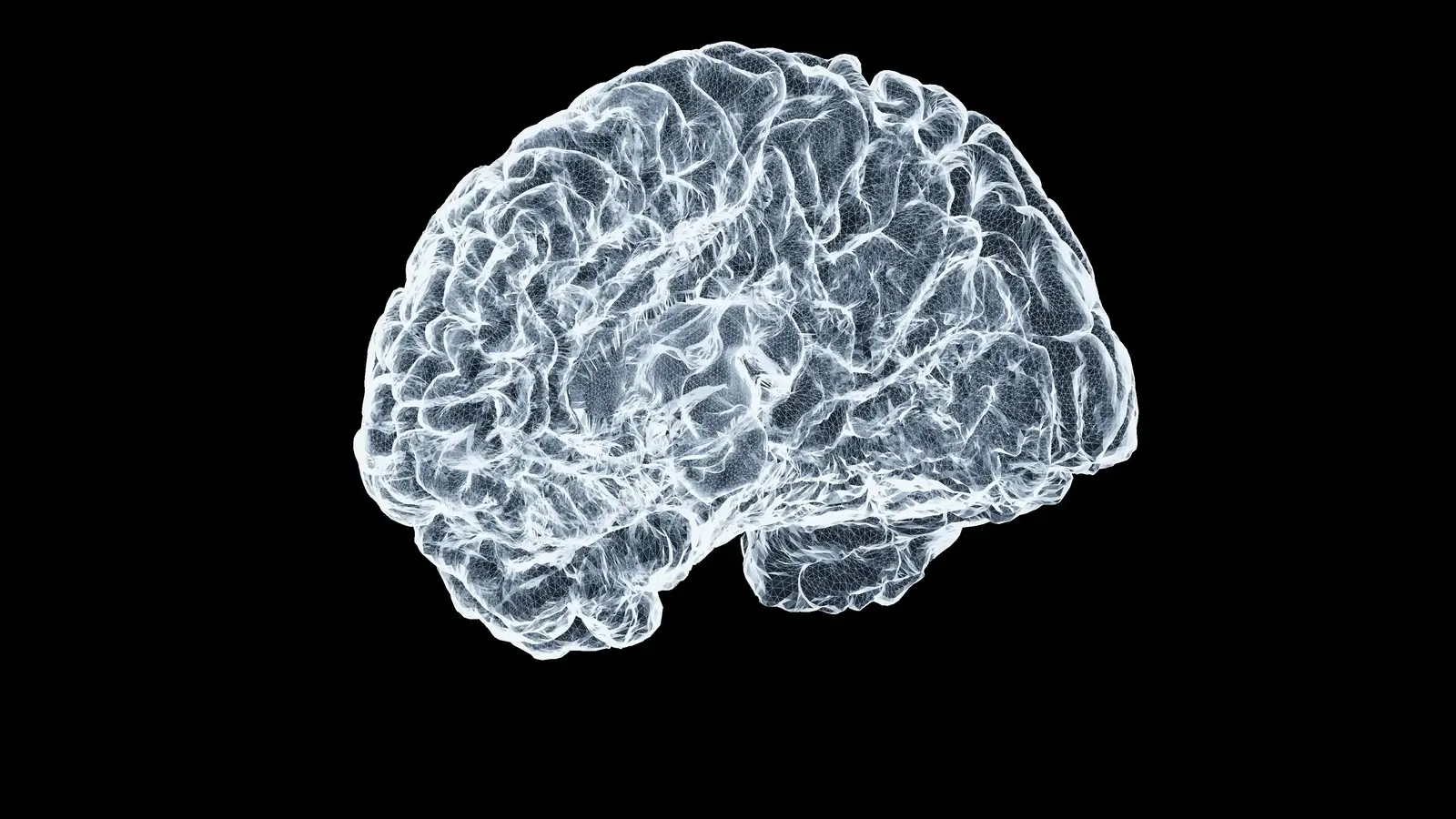
The brain, that remarkable blob of grey matter inside our skulls, starts its life with a rapid surge of newborn neurons pushing their way through crowded tissue like determined commuters trying to find a seat on a packed train. These developing cells must navigate tight gaps between fibers and surrounding cells to reach their assigned positions in the cerebral cortex, where they will eventually integrate into the brain’s communication network.
Brain’s Cellular Commuters Take a Pounding
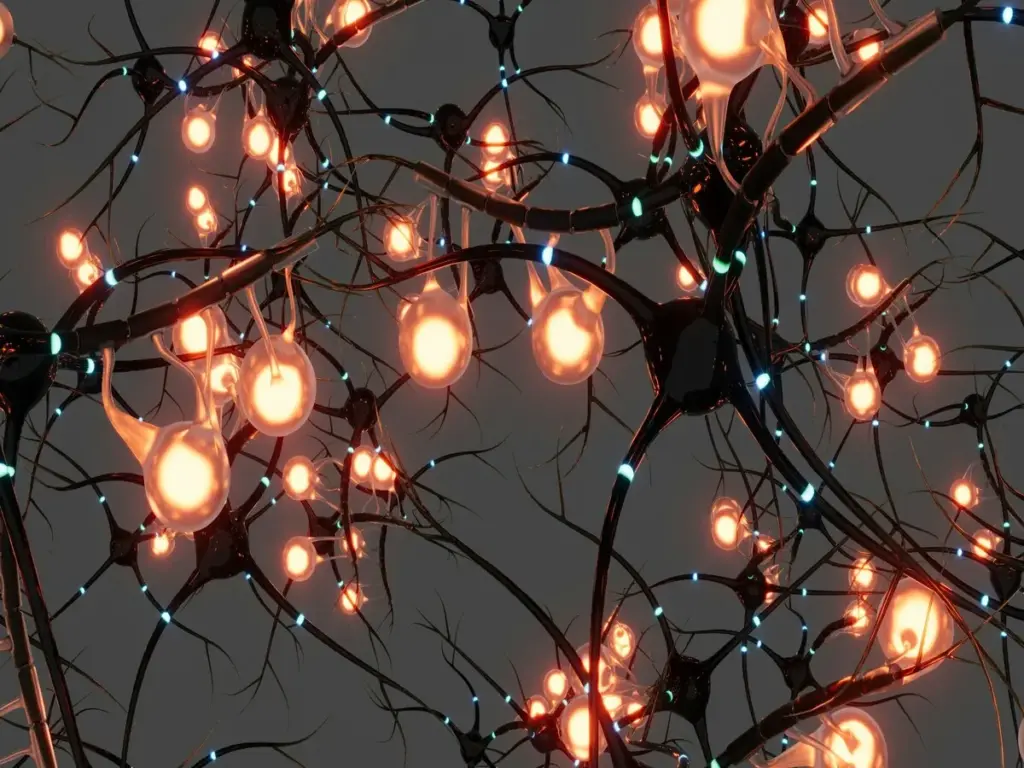
A fresh study published in Nature has thrown a massive curveball into this whole process, revealing that these migrating neurons aren’t enjoying a leisurely ramble but are instead having their genetic blueprint absolutely shredded during the journey. Ever tried navigating through a mosh pit at a heavy metal concert and emerged looking like you’ve survived a natural disaster?
The boffins from Kyoto University’s Institute for Integrated Cell-Material Sciences and their buddies at other top-tier institutes discovered that these traveling neurons routinely cop significant DNA damage, particularly those nasty double-strand breaks where both strands of the genetic helix get hacked to bits.
You’d assume that level of genetic devastation would be game over, but brace yourselves because these neural cells are far tougher than anyone gave them credit for. The research team established that despite this brutal treatment, the neurons shake it off like true champions, mending the damage before it can trigger any lasting turmoil in the developing grey matter.
Brain’s Neurons Tango With Genomic Chaos
Double-strand breaks are usually associated with serious cellular consequences, including mutations, dysfunction, or cell death. However, in the developing cortex, the researchers found that this type of damage appears to be a routine part of the migration process.
The neurons in a healthy brain apparently boast a top-tier pit crew hovering in the wings, swiftly repairing the harm before it can snowball into anything problematic, keeping the entire show on the road. Professor Mineko Kengaku, the mastermind steering this investigation, reckons the developing brain has developed some pretty impressive tolerance and restoration abilities to cope with this neural pandemonium efficiently.
But she also cautioned that grasping the boundaries of that tolerance, and what goes belly-up when repairs are left unfinished, could crack open the secrets to a stack of neurological conditions that have had scientists scratching their noggins for decades. To unravel this genetic puzzle, the team replicated the physical torture these developing neurons go through by steering them through tiny microchannels that mimicked the cramped conditions found in expanding brain tissue.
Using nifty fluorescent tags, they observed in real time as the double-strand DNA breaks materialized while the neurons wiggled through these tight corridors, reminiscent of watching someone’s headphones get impossibly tangled in their pocket. Once the cells emerged on the other side, the damage steadily vanished, with most breaks patched up within a single day, leaving the neurons blissfully unaware and carrying on as if nothing had occurred.
Brain’s Neurons Get Crunched and Cut
The primary driver of this DNA damage appears to be Topoisomerase IIβ, an enzyme that normally helps manage DNA structure by cutting and rejoining strands to relieve physical tension. It functions much like a molecular maintenance tool, ensuring DNA does not become overly twisted or strained.
Under normal circumstances, this enzyme operates without a hitch, but when neurons face the mechanical strain of compressing through confined spaces, the enzyme can get stuck halfway through the job, leaving sections of DNA broken and in desperate need of assistance. The cell then drafts in a repair squad called non-homologous end joining, which races in to reconnect the damaged DNA fragments before the situation escalates into a full-blown crisis.
Neurons’ Smart DNA Damage Strategy
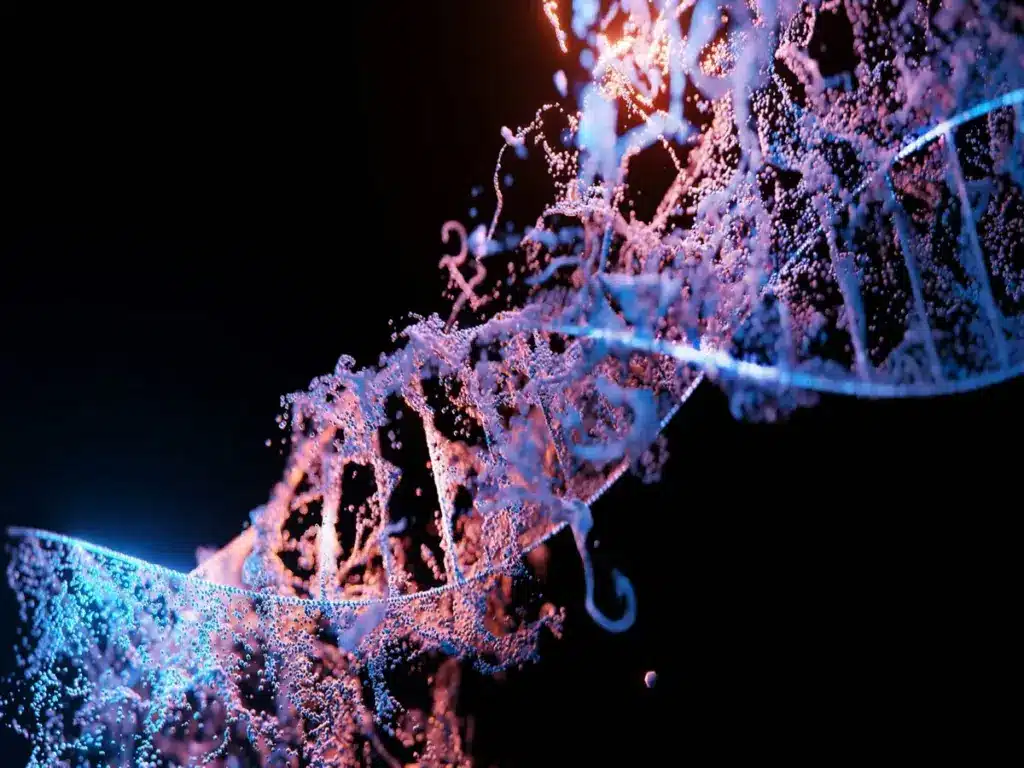
What stood out most to researchers was that neuronal DNA damage is not random. Instead, it tends to occur in regions of the genome that are less critical for essential cellular functions. This reduces the risk of disrupting key genetic instructions during development.
However, in neurons, the breaks were mainly concentrated in genome regions that aren’t actively involved in essential gene duties, meaning the vital stuff gets shielded like VIPs at an exclusive bash. Because the critical genes escape unscathed, the neurons can carry out their regular responsibilities despite the temporary genetic upheaval, rendering them surprisingly tough cookies when stacked against their cancerous relatives.
Brain’s Neurons Sidestep a Genomic Bullet
To investigate what unfolds when the repair apparatus crashes and burns, the scientists engineered mice in which newly formed cerebellar neurons were deficient in Ligase 4, a vital enzyme required to stitch those DNA breaks back together. These genetically altered mice developed as expected at the outset, displaying no obvious early hiccups, which probably left the researchers puzzled over their data. However, as they progressed into adulthood, the mice began exhibiting mild but steadily deteriorating balance issues, wobbling about as if they’d just stepped off a merry-go-round after forty spins.
These signs bore an uncanny resemblance to certain human conditions linked to genomic instability that affect the cerebellum, the brain’s hub for balance and movement coordination. The discoveries indicate that DNA breakage and repair might occupy a far more significant role in brain biology than anyone had previously imagined, potentially shaping everything from individual neuron variations to serious neurological illnesses.
Scientists are now eager to determine whether these early DNA modifications contribute to the distinct characteristics between individual neurons, essentially granting each cell its own unique genetic barcode. Professor Kengaku summed it up elegantly, observing that although all neurons start with precisely the same DNA, the physical journey through the brain can introduce small genetic variations between them, essentially inscribing a bit of personal history into each cell’s genome.
Brain’s Neurons Forge Their Own Destiny
This trailblazing research, a colossal joint effort involving Kyoto University, the University of Tokyo, the University of Osaka, the National University of Singapore, and the Tokyo Metropolitan Institute of Medical Science, has revolutionized our understanding of the neuronal genome. It transpires that the physical migration isn’t merely a boring commute but a defining experience that leaves its imprint on the very DNA of our neural cells. The fact that the brain has evolved to withstand and fix this harm so effectively speaks volumes about the astonishing toughness of our most intricate organ.
However, it also presents some compelling questions about what occurs when that restoration process goes pear-shaped, potentially setting the stage for a multitude of neurological disorders that have confounded medical experts for generations. Unravelling the boundaries of this resilience could hold the key to developing novel therapies for conditions spanning developmental delays to neurodegenerative diseases that strip people of their memories and motor functions.
The researchers are desperate to probe further into whether these early genetic alterations could impact neurodevelopmental or neurodegenerative conditions later down the line, essentially planting a genetic time bomb waiting to detonate. So next time you marvel at the miracle of your own thoughts, take a moment to salute those gutsy little neurons that battled through the genetic obstacle course just to make you the gloriously messy human being you are today.
Additional News from Total Apex Herald
- The United States and Iran 14‑Point Memorandum – How It Could Shift Middle East Dynamics
- Brain Health Study Finds Daily 5-Minute Exercises Improve Thinking at Any Age
- Foldable Phones Are Finally Going Mainstream, Tech Fans Are Losing It
Follow David Gilbert for Entertainment, Gaming, and Current Affairs Coverage
Stay connected with David Gilbert for the latest updates on entertainment, gaming, technology, science, and current affairs.
You can also explore more of David Gilbert’s reporting and analysis across Total Apex Entertainment and Total Apex Herald.
