
New Fentanyl Vaccine Could Prevent Overdoses Before They Happen
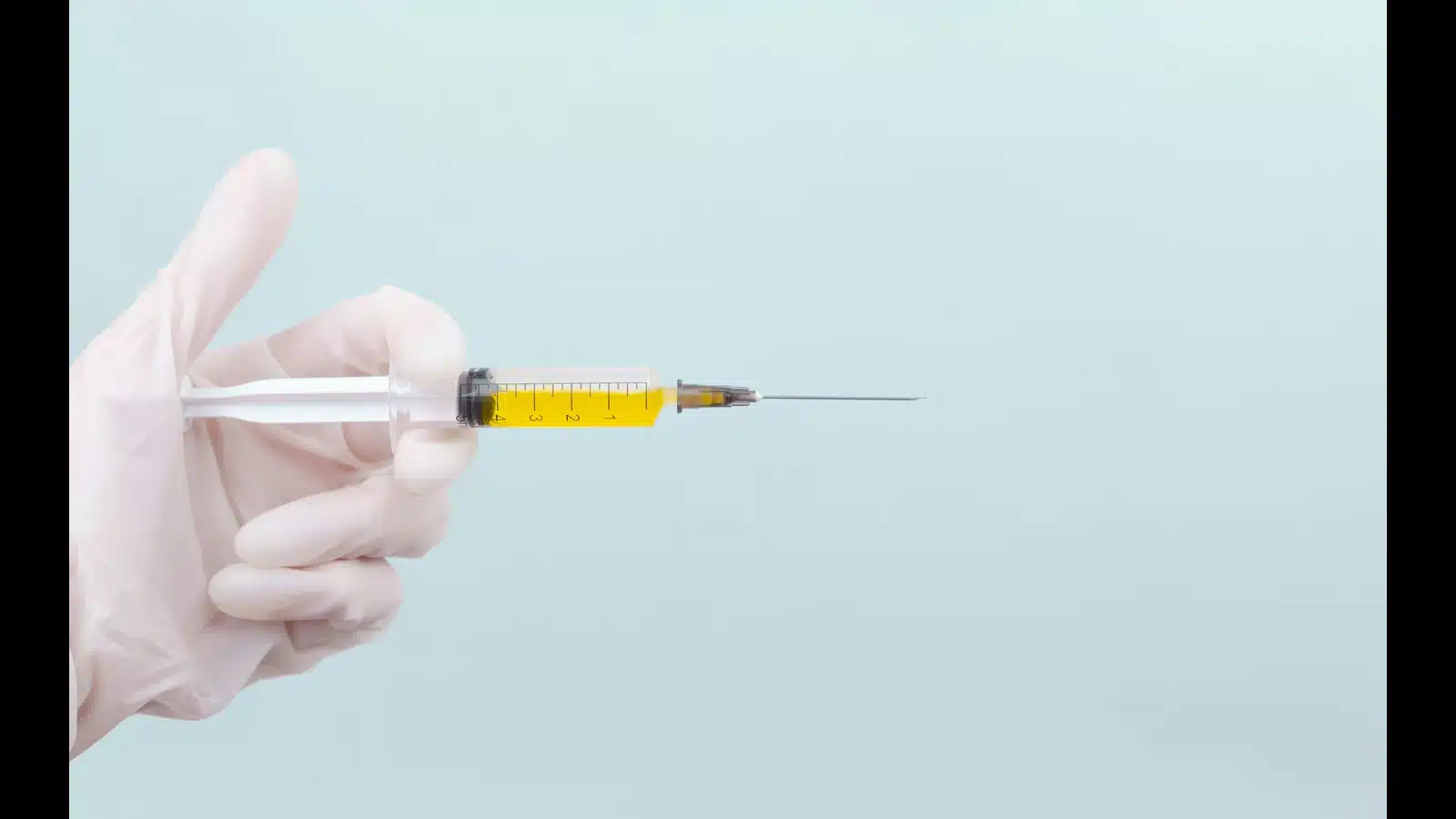
Fentanyl has turned into one of the deadliest threats on American streets. Each year, this synthetic opioid kills more people than car wrecks and gun violence combined. The drug suppresses breathing signals in the brain, often causing fatal overdoses. Can anything stop fentanyl before it reaches the nervous system?
Researchers at Scripps Research have developed an experimental vaccine that showed promising results in animal studies. Instead of rushing to reverse overdoses after they happen, they built a preventive tool. That tool trains the body to block fentanyl at the bloodstream level. The findings were recently published in the Journal of Medicinal Chemistry, offering genuine hope.
Fentanyl Fighters Build a Smarter Immune Response
Fentanyl variants keep popping up as black-market chemists tweak molecular structures. These designer drugs increase potency and help sellers dodge law enforcement. The research team, led by Kim Janda, decided to stop playing catch-up with each new variant. They developed a shot that teaches the immune system to recognize an entire drug class.
This approach marks a major departure from older methods that targeted only one compound at a time. The scientists attached a modified molecule to a carrier protein and tested it in mice. After eight weeks and four doses, the results exceeded expectations. Does this mean a single vaccine can neutralize multiple deadly versions of the same drug?
Breaking the Rules of Traditional Vaccine Design
Most experimental shots use the drug itself or a near copy to train immunity. That strategy creates two big problems for researchers. First, the drugs involved are highly regulated, making development slow and expensive. Second, the immune response tends to be extremely specific, recognizing only one exact compound. Janda’s team flipped that logic on its head.
They used a molecule that shared some traits with fentanyl but had a different core structure. Conventional wisdom said this approach should fail. Arran Stewart, a research associate in the lab, admitted they honestly did not know if it would work. The immune system surprised everyone by generating antibodies that recognized a broader molecular signature.
Fentanyl Protection Extends to Multiple Deadly Variants
When scientists tested the antibodies against several dangerous designer drugs, the shot performed beautifully. It strongly recognized fentanyl itself, plus carfentanil, China White, acetylfentanyl and furanylfentanyl. At the same time, the antibodies ignored common medical opioids like morphine and oxycodone. That selectivity matters enormously for anyone who might need pain management after an accident.
The vaccine does not block legitimate medical treatments; it only blocks illicit compounds. Animal testing confirmed the protective effects in a dramatic way. Vaccinated mice maintained nearly normal breathing even after receiving fentanyl doses that would normally cause severe respiratory distress.
Fentanyl Levels Drop by 70% in Vaccinated Mice
The researchers measured drug concentrations inside the brains of both vaccinated and unvaccinated mice. Those who received the experimental shot showed approximately seventy percent lower fentanyl levels. That reduction means the drug never reaches the central nervous system in dangerous amounts. The antibodies bind to fentanyl in the bloodstream before it can cross into brain tissue.
This mechanism differs completely from overdose reversal drugs like naloxone. Naloxone works after the fact, pushing opioids off receptors in an emergency. The vaccine works beforehand, acting as a shield rather than a fire extinguisher. The movie “Trainspotting” shows the horrors of opioid addiction graphically, but this research offers a way out. Listening to the song “The Needle and the Damage Done” reminds listeners of the stakes involved.
Broader Lesson for the Entire Drug Crisis
Janda believes this platform could eventually protect people in substance abuse recovery programs. It could also help individuals facing high accidental exposure risks, such as first responders or border agents. The public health potential here is significant, but so is the scientific lesson. Researchers learned they can design shots that recognize entire drug classes, not just single compounds.
This insight could apply to other synthetic threats beyond fentanyl. The team is already thinking about similar approaches for benzodiazepines or other street drugs. Each new variant from black-market chemists would meet a prepared immune system. Will regulators move quickly enough to approve this technology while the crisis worsens?
Fentanyl Vaccine Avoids Interfering with Medical Care

One major concern with any addiction vaccine involves blocking legitimate pain treatment. Patients in car accidents or undergoing surgery still need effective pain relief. The Scripps team designed their shot specifically to avoid common medical opioids. Tests showed no binding to morphine, oxycodone, remifentanil, or alfentanil. A person receiving this vaccine could still receive proper hospital care without complications.
This careful design feature makes the shot practical for widespread use. It does not punish individuals by removing all opioid options. Instead, it distinguishes between illegal fentanyl and legal prescription drugs. This research builds a connection to safety. It will not reverse an overdose, but this vaccine prevents one from starting.
Clinical Trials Remain the Next Crucial Step
The vaccine must still undergo human trials to confirm safety and effectiveness. Mice studies do not always translate directly to people, so caution remains warranted. Even so, Janda expresses genuine optimism about the platform’s potential. The research appeared in a peer-reviewed chemistry journal, lending serious credibility to the claims.
Additional studies will need to examine long-term protection duration and any side effects. The team also must determine how often booster shots would be required. Regulatory approval could take years, but the scientific foundation looks solid. Does the public health emergency justify accelerated review pathways for this promising intervention?
One Vaccine Takes On an Entire Class of Killers
Fentanyl kills tens of thousands annually, but a new experimental vaccine offers a fundamentally different defense. This shot trains the immune system to recognize an entire class of deadly designer drugs at once. Vaccinated mice showed seventy percent lower brain fentanyl levels and maintained normal breathing after lethal doses.
The antibodies ignore common medical opioids, so patients can still receive legitimate pain care. Clinical trials must still prove human safety, but the direction is hopeful. Black-market chemists keep inventing new variants, but this approach stays ahead of their efforts. The old strategy of treating overdoses after the fact is reactive and limited. Prevention through immune training represents a smarter, broader, and more humane way forward.
Additional News from Total Apex Herald
- The United States and Iran 14‑Point Memorandum – How It Could Shift Middle East Dynamics
- Brain Health Study Finds Daily 5-Minute Exercises Improve Thinking at Any Age
Follow David Gilbert for Entertainment, Gaming, and Current Affairs Coverage
Stay connected with David Gilbert for the latest updates on entertainment, gaming, technology, science, and current affairs.
You can also explore more of David Gilbert’s reporting and analysis across Total Apex Entertainment and Total Apex Herald.
