
NASA’s Artemis Moon Mission Gets A Modern Makeover
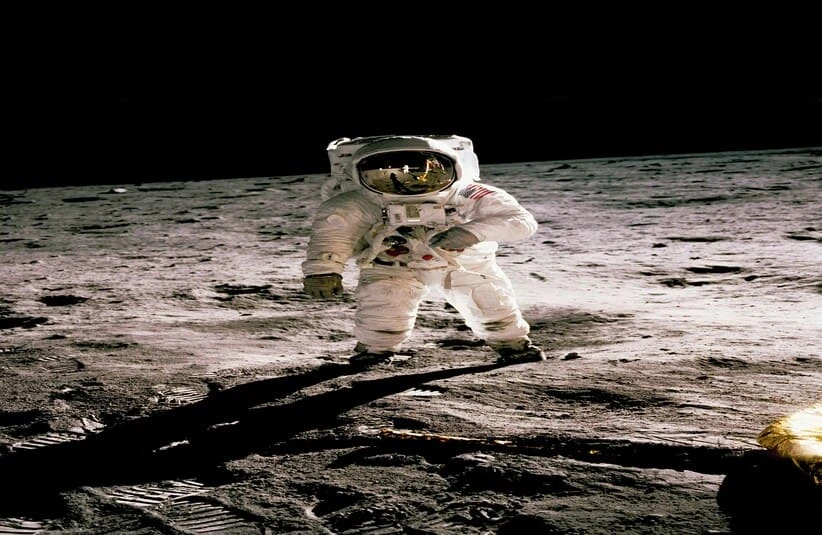
NASA has a way of making history feel both monumental and strangely personal. The four astronauts tapped for the next lunar journey look nothing like the crew that made that first giant leap over half a century ago. Back then, the trailblazers were white men with military test-pilot backgrounds, a uniform group pursuing a unified national goal. Does anyone miss the days when sending people to the moon felt like picking from a catalog of identical heroes?
Spaceflight Finally Looks Like The World
This time around, the Artemis crew includes a woman, an African-American and a Canadian, reflecting an astronaut corps that finally looks more like the world it represents. None of them were even alive during the Apollo program that sent twenty-four astronauts toward the moon, with twelve actually setting foot on it.
They won’t land this time, or even orbit the lunar surface, but the out-and-back trip will push them thousands of miles deeper into space than any Apollo astronaut ventured, offering views of the far side that no human eyes have ever seen. Is it still a moonshot if they don’t actually touch the moon?
Solo Parenting Harder Than Rocket Science
Commander Reid Wiseman leads the nearly ten-day mission, a widower who considers solo parenting his two teenage daughters far more challenging than rocketing toward the lunar unknown. His wife, Carroll, passed away from cancer in 2020, giving him serious pause when NASA asked him three years ago to command humanity’s first lunar trip since 1972.
His daughters, especially the older one, had zero interest in him launching again after his five-month stint on the space station back in 2014. After some honest conversation about the opportunity, homemade moon cupcakes appeared the next day, along with their full support. What does it say about a father when his kids bake him pastries to send him off to space?
Grounded Perspective From Gil Scott-Heron
Pilot Victor Glover sees his presence on the Artemis mission as a force for good, one of the few Black astronauts in NASA’s ranks. The Navy captain from California makes a point of listening to Gil Scott-Heron’s Whitey on the Moon and Marvin Gaye’s Make Me Wanna Holler, songs from the Apollo era that capture both the triumphs and the blind spots of that time.
He uses that perspective to ground himself while running what he calls their best race, so he can hand the baton off to the next leg, a practice docking mission planned for 2027 that will set the stage for the actual moon landing in 2028. How does someone balance preparing four daughters for adulthood while also getting ready to fly past the moon?
First All-Female Spacewalk Veteran Joins Crew
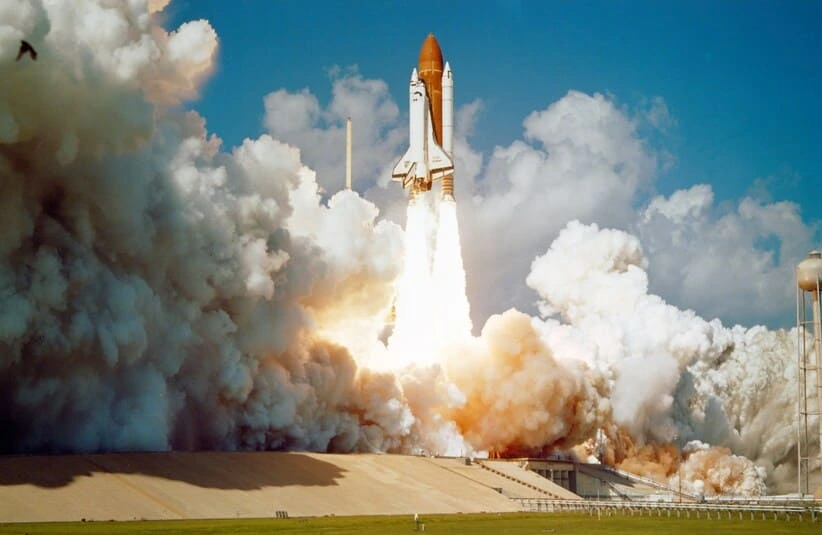
Mission specialist Christina Koch holds the record for the longest single spaceflight by a woman, three hundred twenty-eight days, so a quick ten-day trip to the moon and back barely registers as a commute. The electrical engineer from North Carolina took part in the first all-female spacewalk during that marathon stay at the space station in 2019.
Before NASA came calling, she spent a year at a South Pole research station, which she jokes inoculated most of her family and friends to long separations. Her dog might be nervous, but she assures the rescue pooch named Sadie Lou that this one will be short. Isn’t it telling when an astronaut has to calm their pet more than their relatives?
Farmer’s Son Makes Space Debut
Canadian astronaut Jeremy Hansen makes his space debut on Artemis, serving as his country’s first emissary to the moon. The fighter pilot and physicist grew up on a farm in Ontario, joining the Canadian Space Agency in 2009 and finally landing on the crew in 2023. He admits the moon now looks farther away than it used to, now that he understands the sheer effort required to send humans there.
He’s shared the risks with his college-aged son and twin daughters, assuring them the most likely outcome brings him home safe, but they’ll manage even if it doesn’t. What kind of conversation does a parent have when explaining that spaceflight might not end with a return ticket?
NASA Makes History Feel Monumental And Personal
Artemis represents a different kind of lunar ambition, one that acknowledges the past while finally opening the door to a broader range of faces and stories. The dangers remain real, the challenges immense and the timelines keep shifting, but watching this crew prepare offers a glimpse of what space exploration looks like when it finally catches up to the world outside the capsule.
A person can look at this lineup and see not just astronauts, but parents, children, partners and people who carry their own complicated histories along with their mission patches. They strap into that Orion capsule carrying the weight of legacy, the hopes of two nations and the quiet prayers of everyone who ever fed their dog before leaving for something bigger.
