
The AI Workplace Burnout Problem Companies Didn’t Expect in 2026

For years, artificial intelligence was pitched as the solution to workplace burnout. Automate repetitive tasks. Reduce workloads. Improve efficiency. Give workers more time to focus on meaningful projects. That was the sales pitch. Now, a growing number of workers are discovering something far less futuristic and far more human: constantly managing AI systems can be mentally exhausting.
Across industries, employees are spending large portions of their day checking AI-generated work, correcting mistakes, rewriting summaries, validating information, and adapting to rapidly changing software systems. Instead of eliminating stress, many workers say AI has simply transformed the type of stress they experience. The result is an emerging phenomenon that researchers and workplace analysts are increasingly describing as “AI fatigue.”
AI Didn’t Remove Work; It Changed It
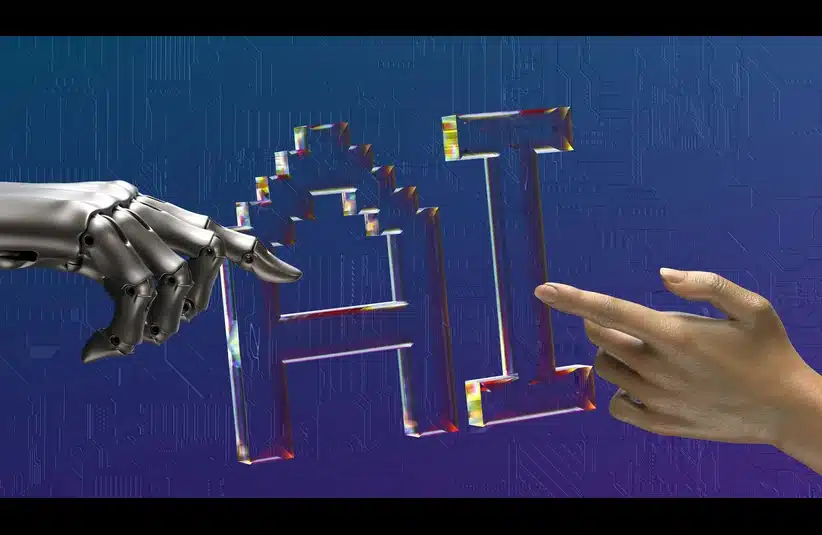
One of the biggest misconceptions surrounding workplace AI is the idea that automation removes responsibility from employees. In reality, many workers now function as editors and supervisors for machine-generated output. That creates a strange psychological dynamic.
Employees are expected to trust these systems enough to improve productivity while simultaneously distrusting them enough to catch mistakes before they become costly. It is a constant loop of monitoring, correcting, and verifying.
For office workers, especially, the shift has created a different kind of cognitive load. Workers may technically complete tasks faster, but they are also juggling:
- AI-generated emails
- automated scheduling systems
- meeting summaries
- predictive analytics dashboards
- chatbot interactions
- algorithmic performance tracking
The modern workplace increasingly feels less like using software and more like managing an entire ecosystem of digital assistants that never stop producing information. That constant oversight can quietly drain attention spans.
The Psychological Toll of “Always Monitoring”
Mental health experts are beginning to examine how AI-heavy workplaces affect concentration, stress and decision-making. Unlike traditional repetitive work, AI supervision demands continuous low-level vigilance.
Workers are rarely fully disengaged because they are expected to review machine output for inaccuracies, tone issues, hallucinations, compliance concerns, or context failures. It is mentally similar to proofreading hundreds of tiny decisions throughout the day.
The pressure becomes even stronger in industries where mistakes carry real consequences, including:
- healthcare
- finance
- education
- journalism
- legal services
- customer support
Ironically, AI tools designed to save time can sometimes increase anxiety because employees feel responsible for catching every potential error the software makes. That creates a workplace paradox. The faster AI moves, the more mentally exhausting human oversight can become.
Workers Are Struggling With Constant Software Changes
Another growing frustration is the nonstop evolution of workplace AI platforms. Companies continue rolling out new features, dashboards, automation tools and integrations at a pace many employees struggle to keep up with.
Workers are being asked to adapt in real time while still maintaining productivity. That constant adjustment period creates a subtle but important form of workplace instability. Employees no longer simply learn software once. They are expected to continuously relearn systems that change every few weeks.
For many workers, especially older employees and mid-career professionals, the experience can feel less like innovation and more like permanent digital turbulence. There is also a growing social pressure attached to AI adoption. Workers who hesitate to use AI tools risk being viewed as inefficient or resistant to change, even when their concerns involve accuracy, privacy, or workload quality.
Companies May Be Underestimating the Long-Term Impact
Corporate enthusiasm for AI adoption remains extremely high. Executives continue focusing on productivity metrics, cost reduction, and automation potential. However, some workplace analysts warn that companies may be overlooking the long-term human consequences of nonstop AI integration.
Burnout does not always come from physical labor or excessive hours. Sometimes it comes from fragmented attention. Workers today are increasingly expected to operate inside environments filled with constant notifications, automated prompts, algorithmic suggestions, and machine-generated tasks.
The issue is not necessarily that AI systems are replacing workers. It is that workers are becoming permanent supervisors of machines. That role requires concentration, adaptability, emotional restraint, and constant mental switching. Those demands add up.
Why This Conversation Is Likely to Grow
The AI burnout discussion is still in its early stages, but it may become one of the defining workplace stories of the next several years. The reason is simple. AI adoption is accelerating faster than workplace culture is adapting.
Companies have spent enormous amounts of time discussing productivity gains. Much less attention has been given to what nonstop interaction with intelligent systems actually feels like for employees on a daily basis. That gap is beginning to matter.
As more workers quietly describe exhaustion tied to digital overload, the future of workplace AI may depend less on what the technology can do and more on how much mental strain humans can realistically absorb.
Related AI and Technology News From Total Apex Herald
- AI Taking Over Your Car: Shocking 2027 “Kill Switch” Law Sparks Privacy and Control Fears
- Tech Sector Takes a Massive Hit After OpenAI’s Target Miss Sparks Turbulence
FAQ
What is AI fatigue?
AI fatigue refers to mental exhaustion caused by continuous interaction with AI systems, including monitoring, correcting, and adapting to automated tools.
Why are workers feeling burned out by AI?
Many employees are responsible for reviewing AI-generated work, learning new software systems, and managing constant digital workflows.
Is AI replacing workers completely?
In many industries, AI is not fully replacing workers. Instead, workers are increasingly supervising and correcting AI-generated tasks.
