
Hydrogen’s Heavyweight Champion Rolls Out With the Mercedes-Benz NextGenH2 Truck
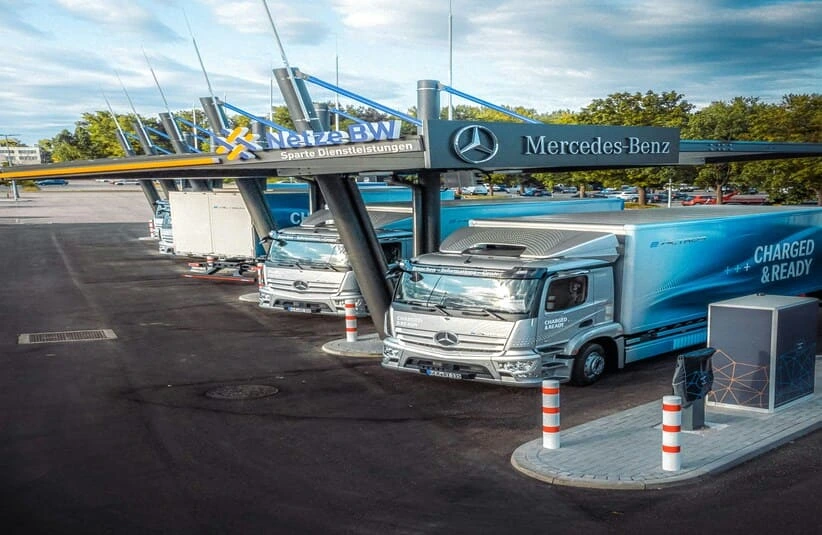
Mercedes-Benz is helping to keep the hydrogen dream alive with a new big rig. Daimler Truck is pushing forward by putting a substantial hydrogen fuel cell truck into production. This model, known as the Mercedes-Benz NextGenH2 Truck, will start reaching European customers late this year in a limited run. So, what makes this vehicle so interesting beyond its hydrogen ambition? The technology underneath is quite compelling, featuring a massive battery and a clever dual-fuel-cell system.
101-kWh Battery Meets Twin Hydrogen Fuel Cells
Like all hydrogen fuel cell vehicles, this truck uses a battery as a buffer between its energy source and the electric drive unit. However, the Mercedes-Benz NextGenH2 Truck distinguishes itself with a particularly large 101-kilowatt-hour lithium-iron-phosphate battery pack. This battery takes energy from two fuel cells mounted at the front and sends it to a pair of electric motors at the rear.
That electric axle is actually borrowed from the production eActros 600 all-electric truck, capable of delivering up to 496 horsepower. This same unit can also send power back to the battery through regenerative braking, which helps lower overall fuel consumption. The twin fuel cell units sit under the cab, occupying the space where a combustion engine would normally reside.
The Truck That Sips Hydrogen and Goes Far
They operate as a combined system with a total output of 300 kW and are noted for their frugality. Early trials with an earlier model showed average fuel consumption between 5.6 and 8 kilograms of hydrogen per 100 kilometers. This efficiency contributes to an impressive total driving range exceeding 620 miles on a full tank.
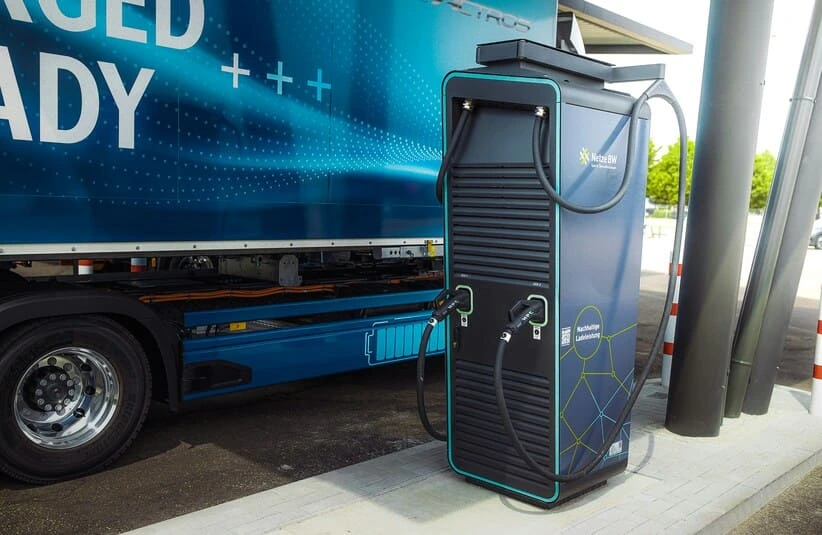
At its heart, this setup functions almost like an extended-range electric vehicle. There is a key difference, however. Instead of a gasoline or diesel generator, it uses a hydrogen fuel cell system to produce electricity. You will not find a charging port on this truck. It relies completely on its onboard fuel cells and a pair of tanks that together can hold up to 85 kilograms of liquid hydrogen.
This Big Rig is Cool with Its -253°C Fuel
A key feature setting this Mercedes-Benz apart is its use of liquid hydrogen, stored at an extremely cold -253°C, rather than compressed gas. This liquid form has a much higher energy density, allowing for greater storage and longer ranges that compete with diesel trucks. For the NextGenH2, refueling is a quick process, taking between 10 and 15 minutes for a full tank, and it can be done from either side of the truck.
Built on the same architecture as the mass-produced Actros, every Mercedes-Benz NextGenH2 benefits from proven real-world features, including advanced infotainment and safety systems. The plan is for the first near-production-ready units to reach customers by the end of 2026, with full-scale production of these fuel cell trucks anticipated early next decade.
Mercedes-Benz Redefines the Fuel Stop
Car lovers should turn their attention to the innovative merging of electric drive performance with a new fueling paradigm that promises long range and quick refills. They should appreciate the engineering leap in using liquid hydrogen for greater energy density in a practical truck application. Folks who don’t follow cars should still take note, as this move tackles emissions from the vital freight sector, something that affects the air for everyone.
It highlights the growing necessity to build infrastructure for alternatives like hydrogen, thereby diversifying beyond just batteries. Really, everyone can see the value in a major player like Mercedes-Benz dedicating real resources to these advanced pilot projects. This deliberate, real-world testing phase is absolutely essential for ironing out the practical issues ahead of any broader rollout.
