
Contempt of Congress Referrals for Bill and Hillary Clinton in Epstein Probe
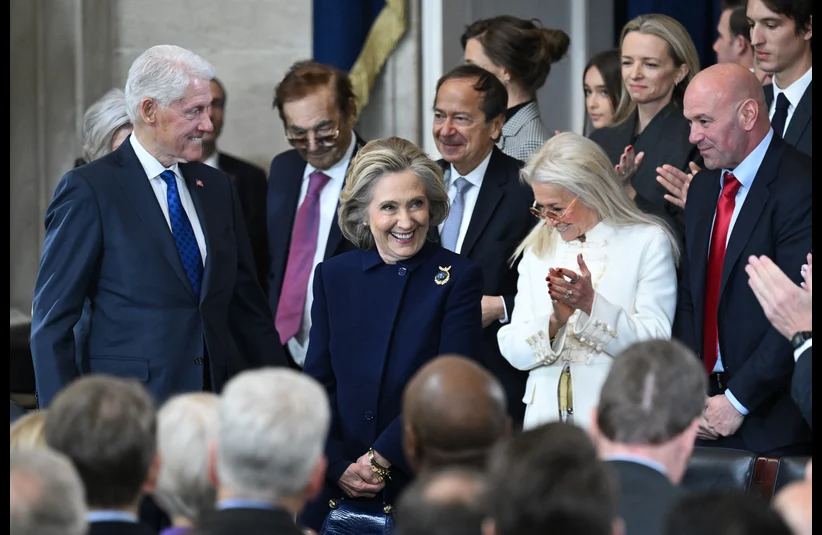
In defying subpoenas in the Jeffrey Epstein investigation, former President Bill Clinton and former Secretary of State Hillary Clinton could be facing a criminal contempt of Congress referral after the House Oversight Committee approved citing them for refusing to comply with the subpoenas.
Clintons Looking At Contempt Charge in Epstein Investigation
The contempt resolution was approved by the Republican-led committee against Bill Clinton 34-8, and against Hillary Clinton 28-15 on Wednesday, after both refused to appear for the subpoenas. However, for a decision on whether to prosecute, any criminal contempt case needs a vote by the full House and a decision by the Justice Department in moving forward with prosecution.
The Clintons were supposed to meet with the House Oversight Committee investigators back in October for the Epstein investigation. However, the meeting was pushed back to mid-December. The couple then held off due to a funeral. Bill and Hillary were both assigned separate dates in mid-January, and neither complied. Now, Comer, R-Ky., is threatening the Clintons with contempt of Congress for refusing to comply with a subpoena. There has been a lot of controversy surrounding the release of the Epstein files.
In a statement obtained from Fox News, Rep. Va. John McGuire said, “It always seems that the Democrat party has a rules for thee, not for me.” He added, “But we have oversight and we have subpoena power. And we can put a case and give it to the DOJ and let them prosecute. They need to hold them accountable.”
Rift Over Epstein Investigation
The vote exposed divisions among House Democrats over how to handle subpoenas issued as part of the Epstein investigation. Former U.S. Attorney John Fishwick, an Obama appointee, said the core issue is straightforward: whether a witness received a subpoena and complied. Fishwick said, “The courts are going to say that Congress has broad discretion on who they want to ask for a deposition.”
House Democratic leaders had urged committee Democrats not to support contempt. Rep. Jamie Raskin convened a call with panel Democrats to explain why he believed contempt for Clinton was unnecessary, according to two people familiar with the discussions.
Despite that outreach, nine Democrats voted with Republicans to hold the former president in contempt, and three Democrats supported contempt for Hillary Clinton. Asked whether he was disappointed by the cross‑party votes, Raskin said, “We’re going to get through this thing,” declining to elaborate on internal disagreements. The split places House Democrats in a difficult position politically.
Many have pushed for full transparency in the Epstein investigation, criticizing the administration for delays in releasing materials. At the same time, they are wary of appearing to aid a Republican effort to spotlight the Clintons and their past ties to Jeffrey Epstein.
Contempt proceedings, legal history, and recent developments
Contempt of Congress is an uncommon tool, typically reserved for situations in which lawmakers see no alternative to compel testimony in high‑profile probes. Past uses include mid‑20th century inquiries into alleged Communist influence in Hollywood and the impeachment process against President Richard Nixon. In recent years, contempt charges led to convictions for two advisers to President Trump.
Peter Navarro and Steve Bannon were found guilty after defying subpoenas from a House panel investigating the Jan. 6, 2021, attack on the U.S. Capitol; both served months behind bars following their convictions. That same Jan. 6 committee issued a subpoena to Trump, but his legal team resisted, citing longstanding legal arguments they said protect ex‑presidents from being compelled to appear before Congress. The committee later withdrew that subpoena.
To date, no former president has been legally compelled to testify before Congress, though several have appeared voluntarily. The question of equal treatment has surfaced in other investigations. Some Republican lawmakers have argued that public figures who decline to comply with subpoenas should face the same consequences as Navarro and Bannon.
