
Google Can’t Leave The Courtroom: 2 Class Action Lawsuits

Residents of the United States might remember an interesting class action lawsuit against Google, Attila Csupo et al. v. Google LLC, which proceeded in Santa Clara County Superior Court on behalf of California Android users. The filing occurred on Aug. 9, 2019, and was certified on Oct. 26, 2023, with the subsequent trial starting on June 2, 2025. It wasn’t long before the jury returned a favorable verdict, awarding $314.6 million in damages on July 1, 2025.
Google then negotiated with the three plaintiffs, Attila Csupo, Andrew Burke and Kerry Hecht. They reached a settlement agreement to the tune of $350 million. Not only did they win a big victory in court for their fellow California residents, but they also managed to get Google to update its materials to better explain and conduct itself regarding why the litigation began in the first place. So what happened, and what makes it relevant now?
Google’s Charges Raise Eyebrows
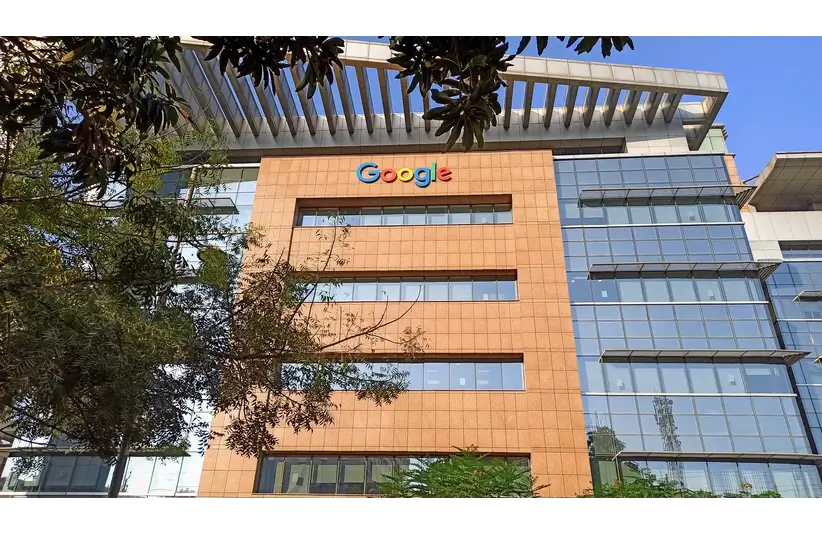
In the lawsuit filed by the 3 claimants, the plaintiffs called Google into court for running some sneaky operations without first getting authorization from the users. The statements made revealed that Google’s Android operating system, on devices using a cellular data plan, was transferring data and information about the users without explicit permission.
Everyone knows that cellular data is used to transfer information, but what made this transfer any different? The three plaintiffs called out the fact that there were data transfers being done in the background. They stated there was no notice to the user regarding these transfers, even when devices were in an idle or inactive state with apps closed.
The plaintiffs also asserted that Google could have made it so transfers would happen only when connected to Wi-Fi, but instead, Google designed it so they also took place over their cellular network. It was considered an unauthorized use and appropriation of cellular data, in violation of California law. This mismanagement of data requires compensation for the value of the cellular data Google used without their express permission and for their own benefit.
Google Attempts a Defense
While Google attested in court that the transfers were providing valuable benefits to the users and contended it could not be limited to Wi-Fi only, they also said that these transfers and consent requests were made through user controls. The jury’s verdict, as well as Google’s own settlement with the plaintiffs, would show that there was something erroneous about the conduct of these transfers, and better transparency was required.
But why does an already-concluded case matter? If Google already gave a nod to the California residents and agreed to restitution, shouldn’t this be case closed? For California Android users, from Aug. 2016-July 2025, sure, but it would seem this round of litigation gained enough traction that other users in the United States started noticing something happening. This is where we find ourselves now.
Taylor v. Google LLC, America’s Class Action
At this time, there is a pending settlement for users outside of the above-mentioned class action, encompassing the entirety of the U.S. userbase of Android devices, which is currently before the courts. In this new settlement hearing, any Android user who was not part of the Csupo v. Google LLC may be entitled to compensatory awards from this settlement. The broader class action is currently set at $135 million.
In this suit, filed in Nov. of 2020, three new plaintiffs, Joseph Taylor, Mick Cleary, and Jennifer Nelson, are seen as acting on behalf of the rest of the class action awardees. The settlement as of this time is pending, with an objection and exclusion deadline of May 29, 2026. The final approval hearing has been set for June 23, 2026, at 10 a.m. PDT.
The legal page states that users’ legal rights are affected, regardless of whether they do anything. There is a payment election form, exclusion form, options for writing to the court if the settlement displeases the user, and options for how the court may hear users if they wish to seek to do so.
If users choose not to take action, they will be included in the settlement and will give up the right to file their own lawsuit against Google for the same claims.
