
Most Googled Questions About Juneteenth Answered
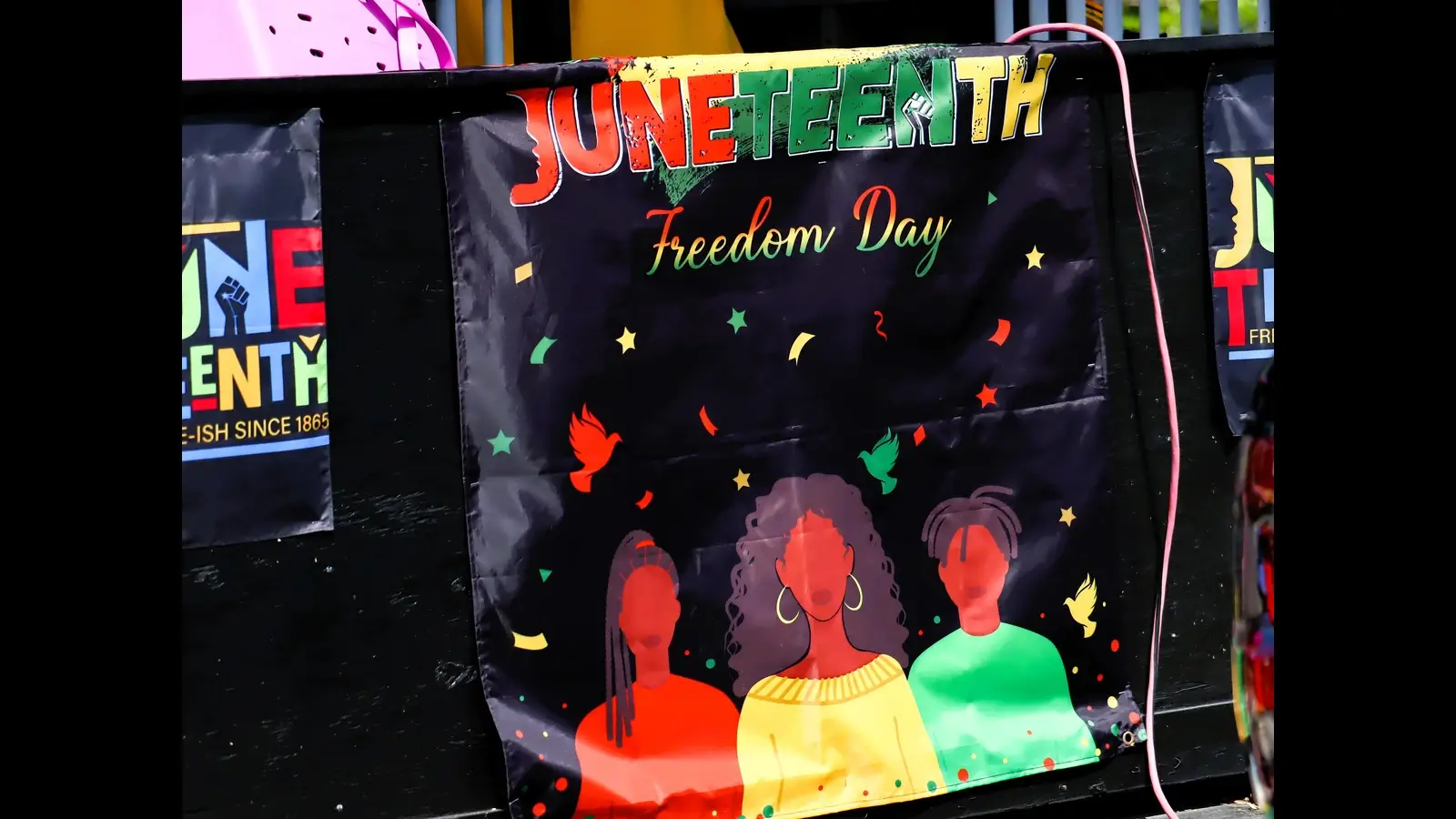
Every June, Americans collectively turn to Google and ask some version of the same question: What exactly is Juneteenth?
The spike happens like clockwork. Search traffic surges, social media fills with explanations and debates, and countless people discover that one of the most important dates in American history was never a major part of their classroom experience. That realization alone tells part of the story.
Juneteenth is often described as America’s second Independence Day. It marks the day freedom finally arrived for thousands of enslaved people in Texas, more than two years after President Abraham Lincoln issued the Emancipation Proclamation. If that timeline sounds strange, it should. History has a habit of reminding us that what happens on paper and what happens in real life are not always the same thing.
Here are answers to some of the most Googled Juneteenth questions and the history behind them.
What is Juneteenth?
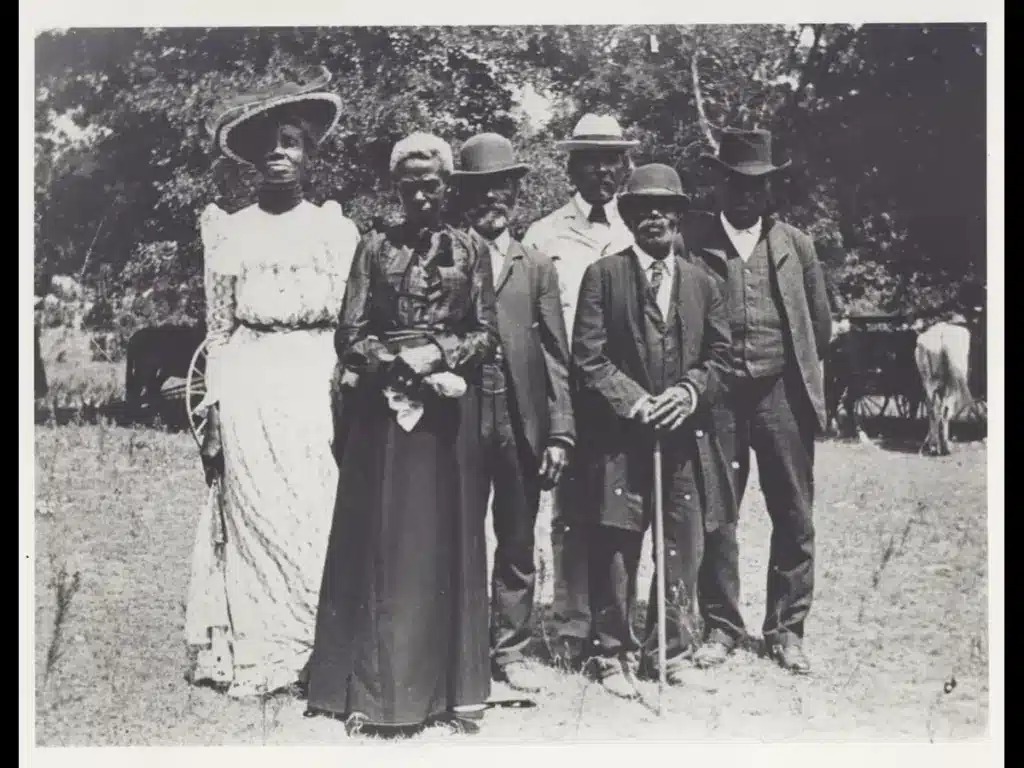
Juneteenth is a holiday commemorating June 19, 1865, the day Union troops arrived in Galveston, Texas, and informed enslaved people that they were free. The name itself is a blend of “June” and “nineteenth,” which sounds almost casual for an event carrying so much historical weight. Yet that simple name has endured for more than 160 years.
What makes Juneteenth remarkable is that it is not tied to a law being signed or a battle being won. Instead, it commemorates the moment information finally reached people whose lives depended on it. Freedom had technically been declared more than two years earlier, but the story of Juneteenth ultimately revolves around a difficult reality: freedom had been declared, but for thousands of people, it had not yet arrived.
Why is Juneteenth Celebrated on June 19?
The date marks the arrival of Union Maj. Gen. Gordon Granger in Galveston. Upon arriving, he issued General Order No. 3, announcing that enslaved people in Texas were free. The obvious question is one many people ask after learning this history: Why did it take so long?
The answer lies in the chaos of the Civil War and the limits of federal authority during the conflict. Lincoln’s Emancipation Proclamation took effect on Jan. 1, 1863, but it applied to Confederate states in rebellion. It also depended on Union forces being able to enforce it.
Texas was geographically isolated from many major battles. It became something of a final holdout where slavery continued largely untouched by military intervention. Historians have debated exactly how much information was withheld versus ignored, but one thing is clear: thousands of people remained enslaved long after freedom had been declared because emancipation depended on enforcement as much as proclamation.
Is Juneteenth a Federal Holiday?
Yes. Juneteenth became a federal holiday in 2021 after bipartisan legislation was passed by Congress and signed into law by President Joe Biden. The designation was historically significant for another reason. It became the first new federal holiday established since Martin Luther King Jr. Day in 1983.
That gap is noteworthy. America has added very few federal holidays in modern history. The decision reflected growing recognition that the story of emancipation is not a regional story or a niche chapter in a history textbook. It is part of the broader American story.
Is Juneteenth the Same as the End of Slavery?
Not quite. This is where history likes to complicate neat narratives. Juneteenth commemorates the announcement of freedom in Texas, but slavery was not formally abolished nationwide until the ratification of the 13th Amendment in December 1865.
That distinction matters because American history is often condensed into tidy milestones. Reality tends to be messier. Emancipation unfolded unevenly across the United States. Some people experienced freedom immediately. Others waited months or years. Juneteenth is not defined by a signature on a document. It is defined by the moment thousands of people learned that the institution that had shaped generations of their lives was finally ending.
Why is Juneteenth Important Today?
Juneteenth matters because it highlights a truth that extends far beyond the Civil War era. Rights are not always experienced equally, even when they exist on paper. That lesson resonates across countless chapters of American history. Whether discussing voting rights, civil rights or equal access under the law, there is often a gap between legislation and lived reality.
The holiday also provides an opportunity to examine a part of American history that was frequently overlooked in mainstream education. Many adults today first learned about Juneteenth through social media, news coverage or workplace observances rather than in a classroom.
How do People Celebrate Juneteenth?
Modern Juneteenth celebrations blend remembrance, education and community gatherings. Across the country, cities host festivals, parades, concerts and cultural events. Museums organize exhibits. Libraries create reading programs. Families gather for meals and celebrations that often span generations.
Many events also highlight Black history, entrepreneurship and community leadership. In recent years, support for Black-owned businesses has become a common feature of Juneteenth observances. The result is a holiday that feels both historical and contemporary. It looks backward while also asking Americans to think about the present.
Why has Juneteenth Become More Widely Recognized?
The short answer is that more people are finally paying attention. For generations, Juneteenth was celebrated primarily within Black communities, particularly in Texas and other Southern states. The holiday never disappeared. It simply existed outside the national spotlight.
That changed as historians, educators and community advocates brought greater attention to its significance. The federal holiday designation in 2021 accelerated that process dramatically. Search trends tell the story. Every year, millions of Americans look up Juneteenth and ask many of the same questions. While some critics see that as evidence of historical gaps, others may view it as curiosity, which is often where understanding begins.
Why does Juneteenth Continue to Resonate?
Perhaps the most fascinating thing about Juneteenth is that it is ultimately a story about information. The defining moment was not a battle. It was not a political speech. It was not even the signing of a law. It was the arrival of news. Historians sometimes describe Juneteenth as one of the clearest examples of how power and information have always been connected. In 1865, knowing you were free could be as important as the law that declared it.
In an era when information travels globally in seconds, that fact feels almost unimaginable. Yet in 1865, life-changing news could take years to reach the people who needed it most. That reality gives Juneteenth a lasting relevance. It reminds us that freedom is not merely declared. It must be communicated, enforced and protected.
More than 160 years later, Americans are still asking questions about Juneteenth. That may be the holiday’s most enduring lesson. History is not a collection of dusty facts. It is an ongoing conversation about who we were, who we are and what stories we choose to remember.
