
Urgent Crisis: Officials Demand Answers From Hegseth After Deadly Strike
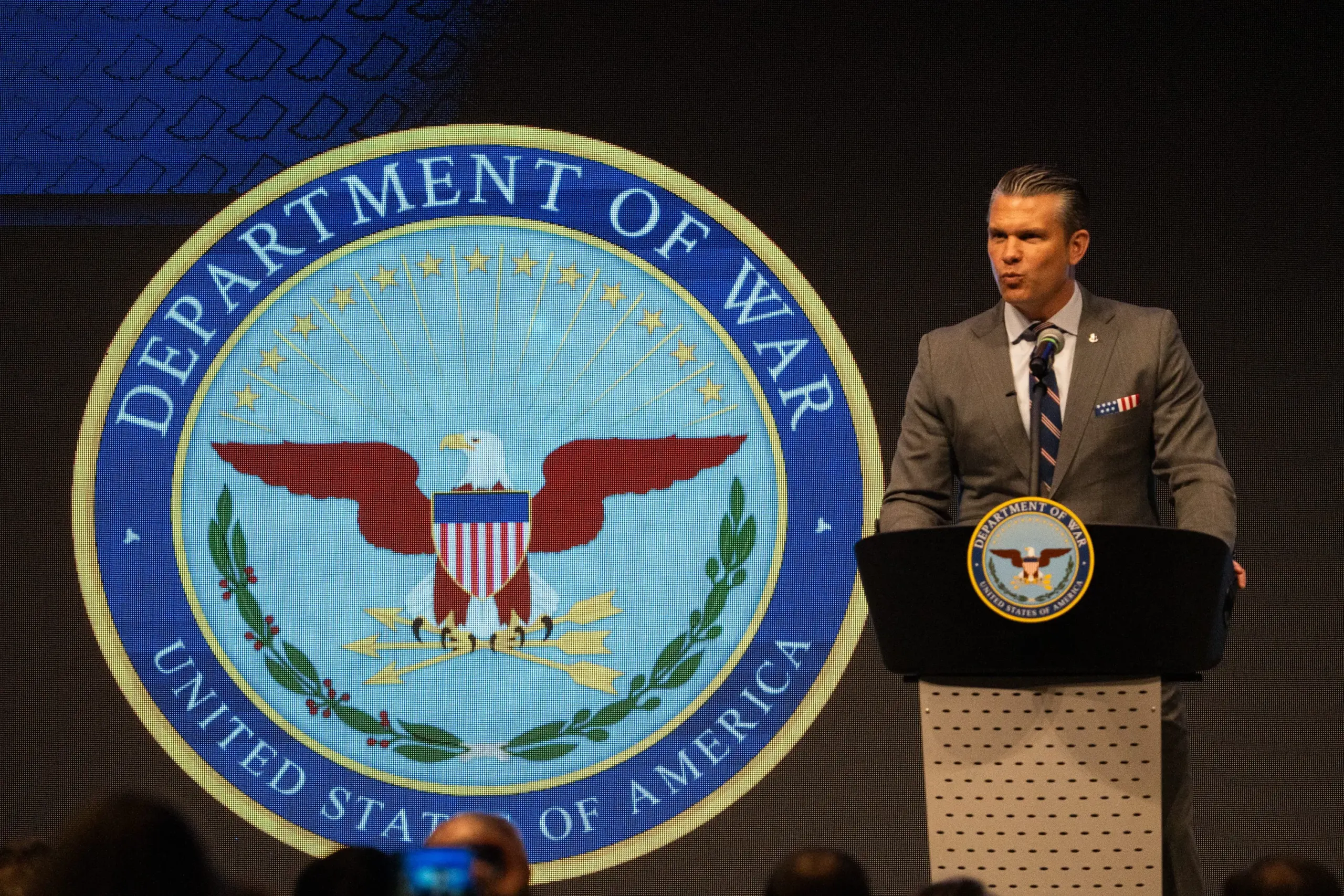
A storm of controversy is swirling around Defense Secretary Pete Hegseth and a top military commander following a deadly U.S. military operation on September 2. The incident, which involved strikes on a suspected drug boat off the coast of Venezuela, has sparked intense scrutiny and bipartisan calls for investigation after it was reported that survivors from an initial attack were killed in a subsequent strike.
The situation has escalated into a firestorm, raising profound legal and ethical questions about the rules of engagement and the authority under which the U.S. military is operating. The White House has confirmed that a second strike occurred against the vessel in the Caribbean Sea, and reports indicate this action resulted in the deaths of individuals who had survived the first attack. This revelation has prompted some Democrats to suggest the act could constitute a war crime, as the laws of war mandate that care must be provided to wounded and shipwrecked individuals.
Hegseth Disputes Multiple Media Reports
Hegseth, however, has vigorously defended the operation. The day after the strike, he told Fox News that he watched the events unfold “live” and asserted that the actions taken were legal. His defense appears to be rooted in the legal framework developed during the war on terror, which justified targeting individuals posing a threat to U.S. forces. This stance is part of a broader Trump administration policy that equates drug cartels with terrorist organizations, a comparison that many legal experts contest.
The controversy deepened following a report by The Washington Post, which cited sources claiming Hegseth had ordered the military to “kill everybody” on the boat, ensuring no survivors.
According to the report, after the initial strike left two people alive in the wreckage, Adm. Mitch Bradley, head of the Joint Special Operations Command, ordered the second strike to fulfill Hegseth’s directive. Hegseth has vehemently denied these claims, labeling the report a “fabrication” and part of a “fake news narrative.”
A brief comment came from Hegseth today (December 2), during an unrelated meeting. Said Hegseth: “As I’ve said, and I will say again, we’ve only just begun striking narco folks and putting narco-terrorists at the bottom of the ocean because they’ve been poisoning the American people.”
What Did Hegseth and His Commander Order?
The exact nature of Hegseth’s orders and the intelligence behind them are now at the heart of congressional inquiries. While the Pentagon has remained tight-lipped about the specifics of the initial “execute order,” the White House has suggested Adm. Bradley acted within his authority to order the second strike. This has placed both Hegseth and the highly respected commander in the spotlight as lawmakers demand clarity.
“We’re going to conduct oversight, and we’re going to try to get to the facts,” Sen. Roger Wicker, the Republican chairman of the Senate Armed Services Committee, told reporters.
The core of the debate centers on whether the U.S. is in a formal “armed conflict” with drug cartels. Legal experts argue that without a congressional authorization of force similar to the one enacted after 9/11, the legal basis for such military action is shaky.
“I can’t imagine anyone, no matter what the circumstance, believing it is appropriate to kill people who are clinging to a boat in the water,” said Michael Schmitt, a former Air Force lawyer and professor emeritus at the U.S. Naval War College. “That is clearly unlawful.”
