
Kash Patel Threatens Lawsuit Over Atlantic Report as FBI Leadership Concerns Grow
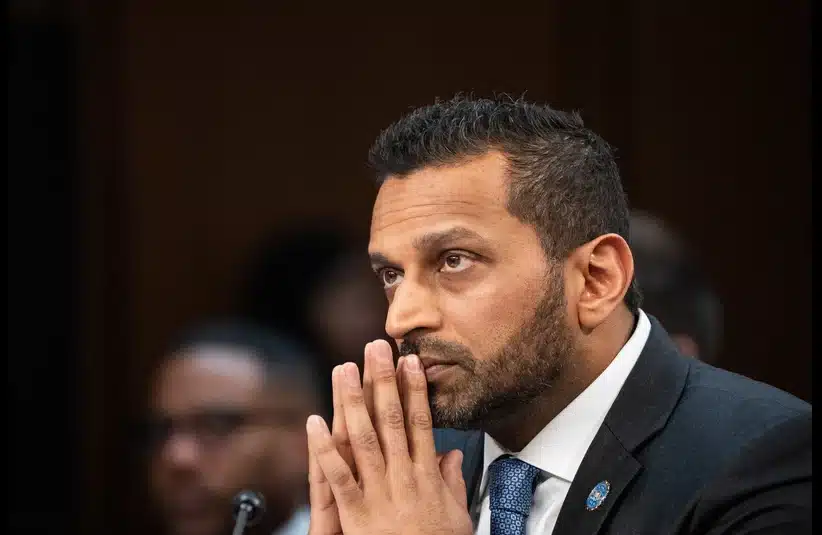
FBI Director Kash Patel is escalating a growing political and media firestorm after threatening to sue The Atlantic over a report alleging excessive drinking and unexplained absences from duty. The story, based on interviews with more than two dozen current and former officials, has intensified scrutiny of Patel’s leadership at a time when national security concerns remain high.
Patel has forcefully denied the allegations and is pushing back publicly and legally. In a Fox News interview, Patel said, “We are not going to take the laying down. You wanna attack my character, come at me.” His response reflects a broader effort to discredit the report as false and politically motivated, even as questions about his role inside the bureau continue to circulate.
What The Atlantic Reported and How Patel is Pushing Back
The Atlantic article details concerns from officials who said Patel’s conduct may be affecting the FBI’s ability to function effectively. According to the report, members of his security detail at times struggled to wake him due to apparent intoxication, and there was at least one instance where breaching equipment was reportedly requested after he became unreachable behind locked doors. Sources also described delayed meetings and disruptions to time-sensitive investigations, raising concerns about leadership reliability.
The report added that several officials have become increasingly concerned about how leadership gaps could affect the bureau during a time of global strain. As the United States navigates heightened conflict overseas, some have questioned whether the FBI director is reliably available for fast-moving national security issues. Several sources said that even the perception of instability could undermine confidence within the agency.
Patel has rejected those claims and vowed legal action. In statements and social media posts, he has called the reporting “false” and “defamatory,” while signaling that a lawsuit is imminent. His legal team has argued that the allegations rely heavily on anonymous sources and lack sufficient evidence to support the claims. The dispute reflects an ongoing strain between government officials and the investigative press. Patel’s team has raised doubts about anonymous sourcing and accused the outlet of political motives, while reporters maintain their reporting is supported by consistent accounts and thorough documentation.
Reported Troubling Behavior Outlined in the Report
The Atlantic report and subsequent coverage have highlighted several specific concerns raised by current and former officials:
- Allegations of excessive alcohol use, including claims that Patel was visibly intoxicated in public and private settings
- Reports that security personnel at times had difficulty waking him, with at least one instance involving a request for breaching equipment
- Claims that meetings and briefings were delayed or rescheduled due to his condition
- Concerns about unexplained absences from headquarters and field operations
- Allegations that key investigative decisions were slowed or disrupted by his availability
While Patel has dismissed these allegations, calling them “baseless, “they have prompted internal concern among some officials about the stability of FBI leadership. The Justice Department’s ethics guidelines note that habitual intoxication can impair judgment and create security vulnerabilities. Those standards have become part of broader conversations about what is expected of senior federal officials.
The allegations have also sparked discussion among legal and national security analysts about accountability at the highest levels of law enforcement. Some analysts say that even allegations that remain unproven can shape concerns about operational readiness, especially in agencies responsible for counterterrorism and intelligence work. Others caution that anonymously sourced reporting needs close scrutiny when it emerges in politically sensitive contexts.
White House Pressure and Speculation Over Patel’s Future
The controversy has also triggered renewed discussion about Patel’s standing within the White House. According to reporting from The Independent, there have been recent internal conversations about whether Patel should step down from his role. While no official decision has been announced, the reporting suggests that concerns about his conduct have reached senior levels of the administration.
At the same time, the White House has continued to defend Patel in public statements. Officials cite crime statistics and internal reforms as signs that the FBI is operating under his leadership. That stance adds another layer to the story, because it sits alongside reports of frustration from some inside the bureau.
This current situation displays the ongoing tension between political loyalty and the practical demands of running a major federal institution. Patel, a long‑time ally of President Donald Trump, has overseen notable shifts within the FBI, including the removal of staff connected to earlier investigations. Supporters view those decisions as overdue corrections, while critics contend they have added to internal turbulence.
Reports of potential leadership changes remain unconfirmed, yet the ongoing attention has kept Patel under steady scrutiny. The absence of a definitive outcome has political analysts and agency staff tracking any sign of movement from the administration.
Where the Patel Dispute Goes From Here
Patel’s threat of legal action suggests the dispute will continue to play out in the media and possibly in court. Defamation allegations filed by public officials face a demanding legal standard that requires showing actual malice. U.S. law requires public officials to prove that false statements were published either knowingly or with reckless disregard for their accuracy.
For now, the effects are playing out in political and institutional arenas. The allegations have intensified the scrutiny already surrounding the FBI’s leadership during a sensitive moment for national security. Patel’s future may hinge on how the administration balances public reaction, internal trust and the direction of the continuing dispute.
Explore More Fact-Based Coverage From Sarah Kennedy
Stay connected with me for reporting on current affairs, entertainment and sports:
- Instagram: @skennedytam
- X (Twitter): @Skennedytam
- Bluesky: skennedytam.bsky.social
- Discord: skennedytam
Also, visit Sarah Kennedy’s author bio page to explore more in-depth articles and the latest coverage.
