
Southern Poverty Law Center (SPLC) Faces Federal Fraud Charges Indictment
On Tuesday, the Southern Poverty Law Center was indicted on federal fraud charges alleging that it improperly paid informants to infiltrate extremist groups without disclosing the payments to donors, according to acting Attorney General Todd Blanche. The allegations have sent ripples through the civil rights community and the halls of Washington.
The Federal Case Against The SPLC
The charges handed down in an Alabama federal court are severe: wire fraud, bank fraud, and conspiracy to commit money laundering. The Justice Department alleges that the civil rights group defrauded donors by using money in a way prosecutors say effectively funded the very extremism it claimed to be fighting against, using a now-defunct program to pay informants more than $3 million to infiltrate white supremacist and other hate groups. The indictment points out that the donors were not informed that their contributions would end up in the pockets of extremists.
Although court papers do not cite specific examples, prosecutors allege the payments supported individuals within extremist groups. Per NPR, Blanche said, “The SPLC was not dismantling these groups. It was instead manufacturing the extremism it purports to oppose by paying sources to stoke racial hatred.” The Justice Department claims that between 2014 and 2023, the organization paid more than $3 million to undercover informants inside white supremacist groups, including groups such as the Ku Klux Klan and other extremist organizations.
Related U.S. News Content
- Shreveport Mass Shooting: A Year of Rising Gun Violence in 2026 – Total Apex Herald
- Chavez-DeRemer Resigns as Labor Secretary Amid Expanding Misconduct Probe – Total Apex Herald
SPLC CEO Responds To The Allegations
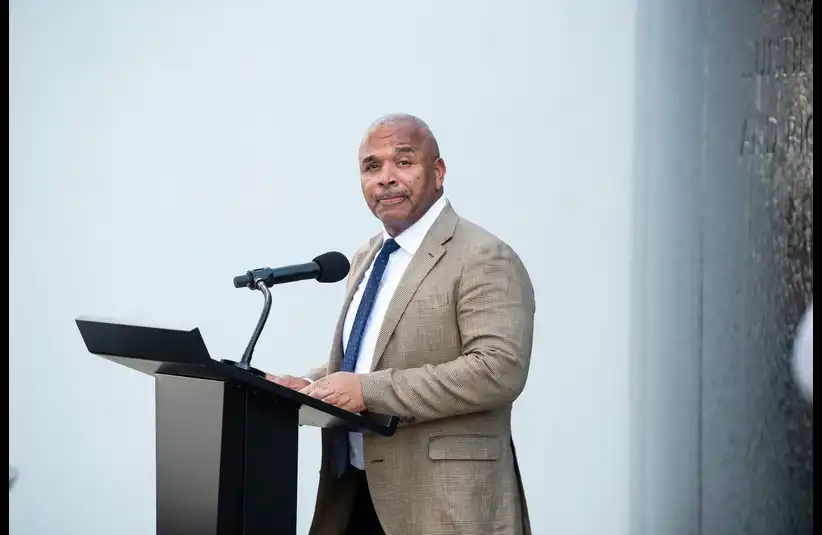
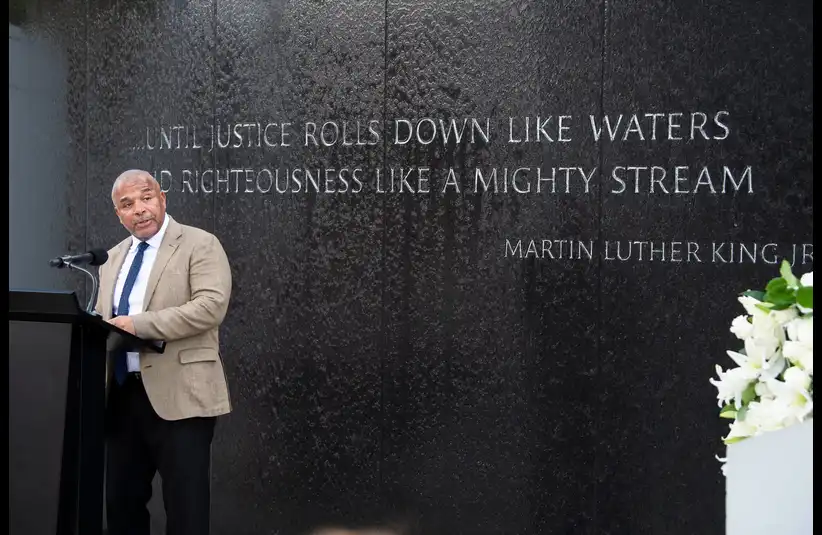
In a statement obtained by The Citizen Times, SPLC CEO Brayn Fair denied the accusations, saying, “Taking on violent hate and extremist groups is among the most dangerous work there is, and we believe it is also among the most important work we do. To be clear, this program saved lives.” Also, the Justice Department alleges that SPLC made false statements to banks to cover up setting up accounts to funnel money to informants.
Fictitious entities such as “Rare Books Warehouse” and “Fox Photography” were allegedly used to send informants money from donors as a way to cover up the actual purpose of the funds. To understand the emotional weight of these charges, one must look at the organization’s deeply rooted history. Alabama lawyer Morris Dees and his partner Joe Levin founded the organization 55 years ago, in 1971. Their mission was simple but incredibly dangerous: provide free legal representation to people experiencing poverty and disenfranchisement.
During an era when the U.S. Supreme Court’s desegregation rulings were met with fierce, often violent resistance across the South, finding lawyers willing to take on civil rights cases was nearly impossible. The organization stepped into that void, successfully arguing early cases that led to the desegregation of recreational facilities and the integration of the Alabama State Trooper Force.
By the 1980s, the organization shifted its focus toward tracking white supremacist movements, launching a program initially known as “Klanwatch.” This aggressive monitoring drew the ire of dangerous groups. In the summer of 1983, Ku Klux Klan members retaliated by firebombing the group’s Montgomery offices, causing severe damage to their legal library and files. Three KKK members were eventually sent to prison for the attack.
The Intelligence Project and the Conservative Backlash
Over the decades, Klanwatch evolved into the “Intelligence Project,” a massive operation dedicated to tracking various extremist factions. Fueled by heavy donor contributions, resulting in an endowment that sat at nearly $732 million late last year, the SPLC expanded its scope. However, this expansion brought fierce ideological friction.
Conservatives have heavily criticized the organization for unfairly maligning right-leaning groups. The center has condemned President Donald Trump’s rhetoric and policies on immigration, voting rights, and other pressing issues. The tension reached a boiling point following the September 2025 assassination of conservative activist Charlie Kirk on a Utah college campus.
The tragedy brought renewed, intense scrutiny to the SPLC, which had previously featured Kirk’s organization, Turning Point USA, in a report titled “The Year in Hate and Extremism 2024.” A month after Kirk’s death, FBI Director Kash Patel officially severed the bureau’s relationship with the SPLC. For the SPLC, the justification remains rooted in survival and protection.
As CEO, Bryan Fair reminded the public that the organization’s informant program was born in the dark shadow of the Civil Rights Movement, a time of church bombings and unpunished murders. For the leaders of the SPLC, paying informants wasn’t a betrayal of their donors; it was an absolute necessity to prevent history from violently repeating itself.
