
The U.S.–Iran Crisis: 5 Questions No One Is Fully Answering
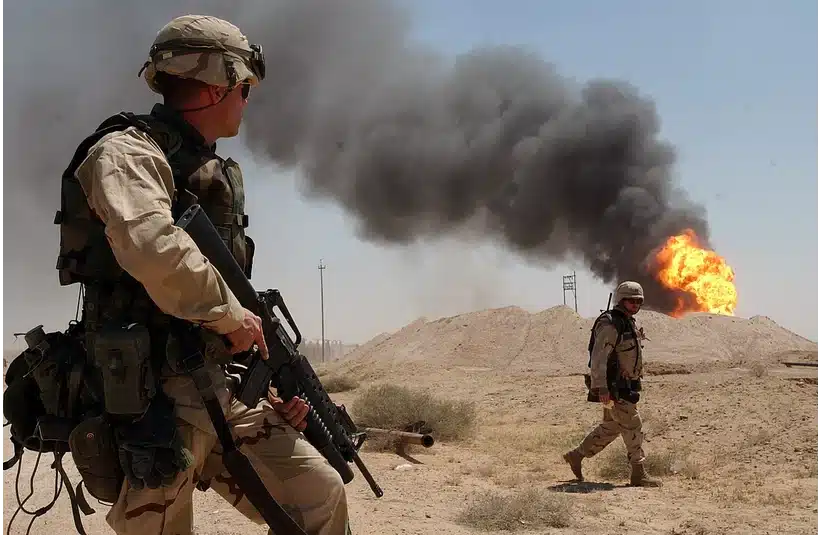
The headlines about the U.S.–Iran crisis make everything sound straightforward: tensions up, ships stuck, talks stalled. But once you slow down and actually examine the details, the picture becomes far less tidy and a lot more unsettling. What we are watching is a crisis that seems publicly choreographed but privately negotiated, and that gap between the surface narrative and the real story is what makes this moment so hard to understand fully.
This is not just another geopolitical standoff. It is a crisis centered around one of the most critical energy chokepoints in the world, with consequences that could reshape global markets and alliances. What is striking right now is not just what we know, but what still feels unanswered. The deeper you look, the more it feels like key pieces of the story are missing or deliberately unclear.
U.S.–Iran: Why This Crisis Matters More Than It Seems
The Strait of Hormuz carries about 20 percent of the world’s oil supply, which makes it one of the most important trade routes on the planet. When traffic through that narrow waterway drops, the impact is felt almost immediately across global economies. Recent tracking data shows traffic dropping to about 7 ships in 24 hours, compared to roughly 125-140 before the current U.S.–Iran crisis, a shift that signals more than a temporary disruption. It suggests a system under real strain, not just a passing shock.
Shipping through the Strait has been severely disrupted and reduced, but not completely shut down. Access remains unstable and tightly controlled, with some vessels still able to pass. That distinction matters because it reflects a contested situation rather than a total closure.
This is not really about ships or military maneuvers. It is about leverage, control, and the ability to jolt global prices with almost no warning. The longer this standoff holds, the more it exposes how delicate the global energy system actually is. That is why even the smallest shifts are being monitored, as they could change everything.
U.S.–Iran: What We Know vs. What We Still Don’t
What We Know
- Ship traffic through the Strait of Hormuz has plunged from roughly 125 to 140 vessels a day to about seven.
- Shipping is disrupted and restricted, not fully shut down.
- Oil prices are hovering between $100 and $110 per barrel.
- Negotiations are happening, but progress is limited and inconsistently communicated.
- Military assets are building up in the region, raising the risk of miscalculation.
- Economists warn prolonged disruption could slow global growth.
What We Still Don’t Know
- The actual endgame for either side. No one has defined what “success” looks like.
- Whether the current restraint is intentional strategy or barely controlled chaos.
- How close we truly are to a wider conflict, especially with so many moving pieces.
- Whether reopening shipping lanes will come before or after deeper political issues are addressed.
- How long markets can absorb the shock before the ripple effects hit households harder.
- Whether this is a temporary crisis or the early chapter of a much bigger geopolitical shift.
What Is the Actual Endgame Here?
Right now, neither side has clearly outlined what they see as a successful outcome. There are statements about deterrence, security and stability that sound reassuring, but none of those terms come with real clarity. Without a concrete endpoint, the conflict risks sliding into something long and unpredictable. That kind of uncertainty can be just as destabilizing as any direct action.
What makes this especially concerning is how often messaging shifts. One day suggests progress in talks, and the next signals renewed escalation. That inconsistency raises a simple question that has not been answered: Is there a plan, or is each side reacting in real time? When narratives change this quickly, it becomes harder to trust what is actually happening behind the scenes.
2. How Close Are We to a Wider War?
Publicly, leaders are still using the language of restraint. Privately, the situation appears far more fragile than those statements suggest. Military assets are building up in the region, and incidents at sea continue to raise the risk of miscalculation. Even small encounters can carry outsized consequences in a tense environment like this.
History shows that conflicts like this do not always escalate intentionally. Sometimes they tip over because of a single event that no one fully controls. That possibility is what makes this moment feel so tense, even when officials insist things are contained. It is not the certainty of escalation that worries analysts, but the unpredictability of it.
3. What Is the Real Economic Cost of This Conflict?
Oil markets are already reacting, and the signals are hard to ignore. Oil is currently trading between $100 and $110 per barrel, with prices fluctuating with daily developments. Those increases are tied directly to disruptions in shipping and uncertainty about how long they will last. Even forecasts are being revised upward as the situation drags on.
Higher oil prices do not stop at the energy sector. They work their way into transportation, manufacturing and food systems, quietly increasing everyday costs. For many households, that will mean higher gas prices and more expensive essentials long before the conflict reaches any real conclusion. It is exactly how a far‑off crisis becomes a close‑to‑home issue.
4. Are Negotiations Actually Moving Forward?
There have been ongoing reports of talks, proposals and diplomatic outreach. On paper, that looks like progress. In practice, very little has moved, and the key issues are still unresolved. The gap between what is promised and what is delivered continues to widen.
A major point of friction is timing. Some proposals push for reopening shipping routes first while putting more complicated issues, like nuclear negotiations, on hold. That might ease immediate pressure, but it also risks delaying the hardest decisions. Short-term fixes can make long-term solutions even more difficult.
5. What Long-term Risks Are Being Overlooked?
Right now, most of the attention is on the immediate crisis, but the long-term effects could be just as important. If control over major trade routes becomes a tool for leverage, it could shift how global markets work. That would not be a short-term change, and it would reach far beyond oil. It could reshape how countries think about economic security.
Alliances are part of the equation, too. Ongoing instability can push countries to rethink partnerships and supply chains in ways that are not easily reversed. What begins as a regional conflict can slowly reshape global relationships. Those changes tend to happen quietly, but they last for decades.
The Bigger Picture No One Is Fully Addressing

What makes this moment so unusual is the gap between what is happening and how it is being explained. The public narrative suggests a manageable crisis, but the underlying risks feel much larger. Economists warn the disruption could slow global growth and raise recession risks if it continues, even if a downturn is not yet certain. That disconnect is what leaves so many questions unanswered. It also makes it harder for people to fully grasp what is at stake.
For now, things remain in a tense and uneasy balance. But history shows that moments like this do not hold forever. The real question is not just what the next step will be, but whether we are already seeing the beginnings of something larger. That is what keeps this story from feeling routine.
