
Belfast Reacts: Stephen Ogilvie, Hadi Alodid and One Night Horror
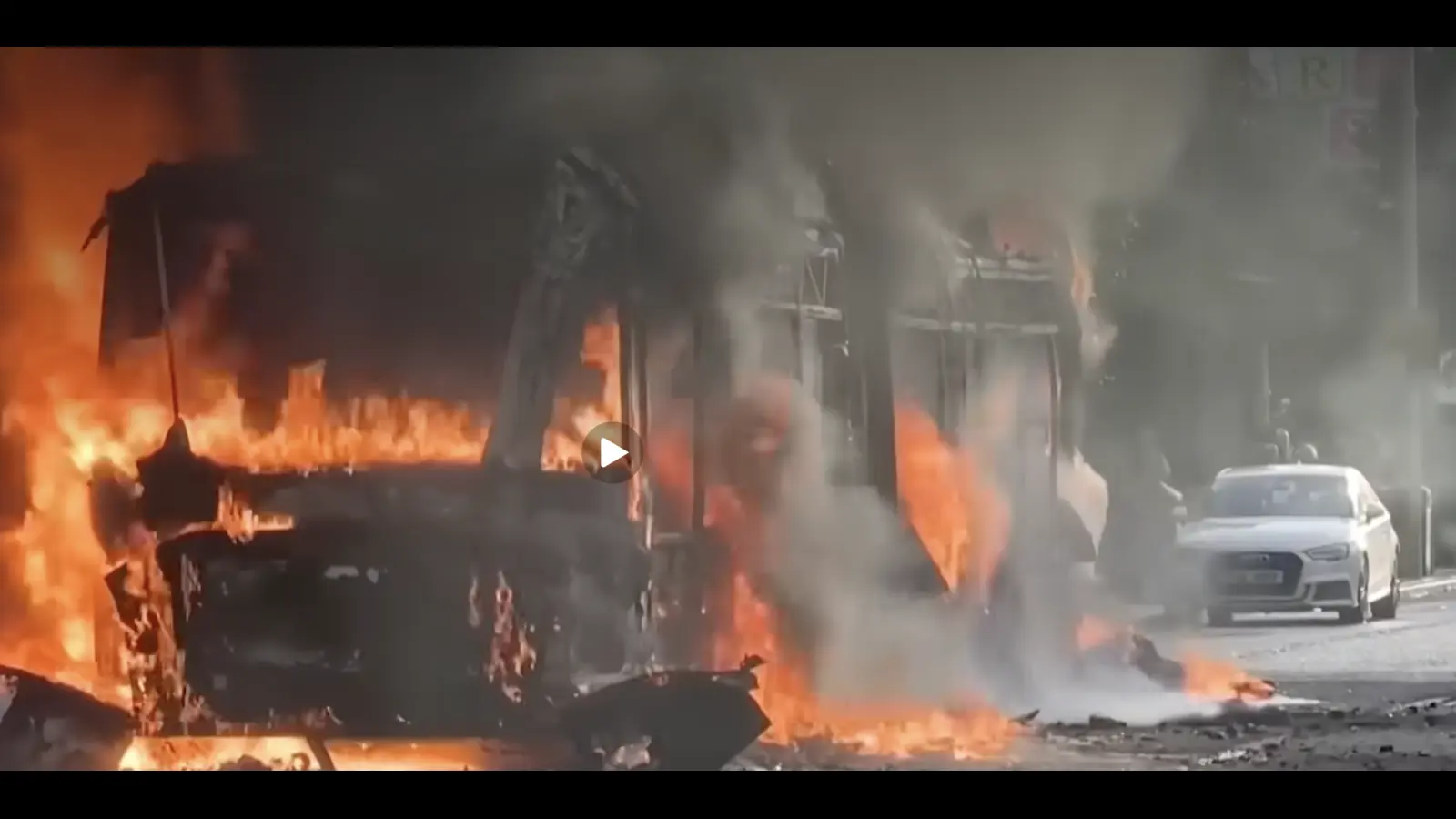
Belfast has seen its share of painful chapters, but few recent events have perpetuated the shock and anger sparked by the violent attack on Stephen Ogilvie and the night of horror. What began as a horrifying assault on a residential street quickly became a national story, triggering days of unrest, fierce debate over immigration, and leaving communities shaken.
Two names dominated headlines: Stephen Ogilvie, the victim fighting to recover from life-altering injuries, and Hadi Alodid, the Sudanese national charged with attempted murder. Can Belfast heal, and will the government deal with the growing issue of immigration?
Shocking Aftermath
The facts of the case linger amid the ongoing riots across Northern Ireland. According to media sources, demonstrations continued well into June. Coverage of the outrage continued while locals tried to go about their daily lives. Yet, what do we actually know about the actual attack?
What Happened to Stephen Ogilvie?
On the evening of June 8, 2026, emergency services were called to Kinnaird Avenue (north Belfast) following a violent knife attack. Witnesses described an attempted beheading. Video footage showed bystanders attempting to intervene as the assault unfolded.
According to government reports, Stephen Ogilvie, 44, suffered severe injuries, including the loss of his left eye and serious wounds to his face, neck, and back. Prosecutors charged 30-year-old Hadi Alodid with attempted murder, possession of a knife in a public place and making threats to kill.
The “attempted beheading” quickly emerged in media coverage because of the nature of the injuries and witness descriptions of the attack. One detail showcases the role of ordinary citizens who stepped in during the attack, preventing even more catastrophic consequences.
Who Is Hadi Alodid?
Following his arrest, Hadi Alodid appeared before Belfast Magistrates’ Court. Authorities identified him as a Sudanese national. He was remanded into custody and denied bail pending further proceedings.
Court hearings revealed that Alodid faces multiple charges connected to the incident. Reports indicated Alodid had been granted refugee status and leave to remain in the UK until 2028 after arriving in 2023. He is reported to have traveled from Sudan through Paris and Dublin before reaching Belfast, exploiting the Common Travel Area between the UK and Ireland, which allows travel without routine passport checks. Those details rapidly became a focal point of political debate, particularly among critics of the UK’s immigration and asylum systems.
How the Attack Sparked Riots Across Belfast
The public response was almost immediate. Within hours, demonstrations appeared in parts of Belfast.
Cars were burned, roads were blocked, and clashes erupted between rioters and police. In the weeks that followed, Starmer faced renewed pressure from within his own party — pressure that had been building since a wave of Labor losses in the May local elections — and announced his resignation on June 22. Reform UK figures, including Rupert Lowe and Nigel Farage, seized on the case to renew criticism of the government’s asylum policy. Hadi Alodid and One Night Horror
The attack has become a flashpoint in a much larger national conversation. Questions surrounding border controls, asylum policy, community integration, and public safety quickly moved from local discussions to national headlines. Some local residents and politicians have said the attack has left them feeling less safe in their own neighborhoods and on their own streets.
Political leaders condemned the attack while simultaneously denouncing the riots that followed.
A City Searching for Answers
The story of Stephen Ogilvie and Hadi Alodid is no longer just a criminal case. It has become a mirror reflecting wider anxieties about safety, immigration, social cohesion, and trust in Northern Ireland.
For Belfast residents, however, the issue is more personal than political. Behind every headline are real people: a man recovering from horrific injuries and communities trying to make sense of events that escalated with startling speed.
Many in Belfast are left hoping for fewer reasons to wake up with uncertainty in one’s native land.
