
Iran Ceasefire Collapse Risk: What Happens Next Could Change the War Overnight
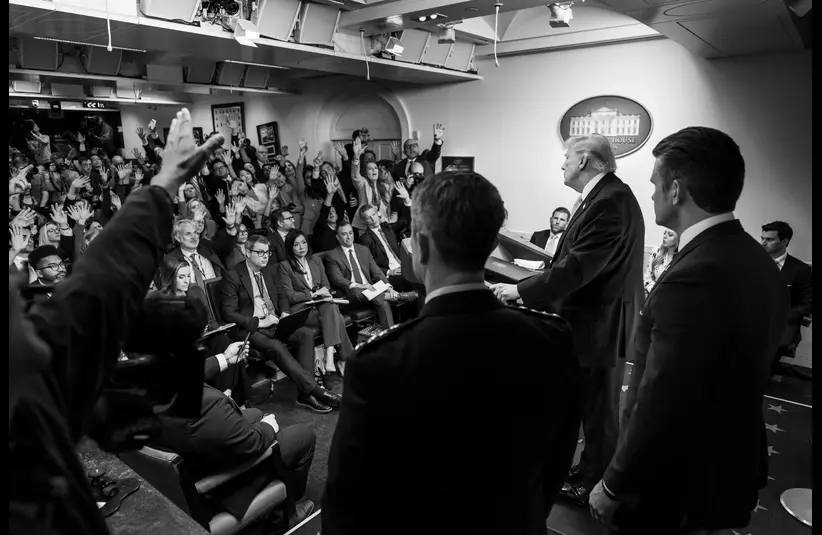
The tenuous U.S.–Iran ceasefire is slipping toward collapse, raising the stakes to their highest point yet. After weeks of escalating tension, stalled negotiations, and mounting violations, officials are warning that the current pause in fighting may not hold much longer. President Trump signaled the urgency in a Truth Social post, saying the military will “remain ready and able” amid mounting pressure for a deal. With the human toll rising sharply across the region, what happens next could reshape not just the war but global stability.
Iran Ceasefire Collapse Risk Explodes as Talks Stall and Tensions Rise
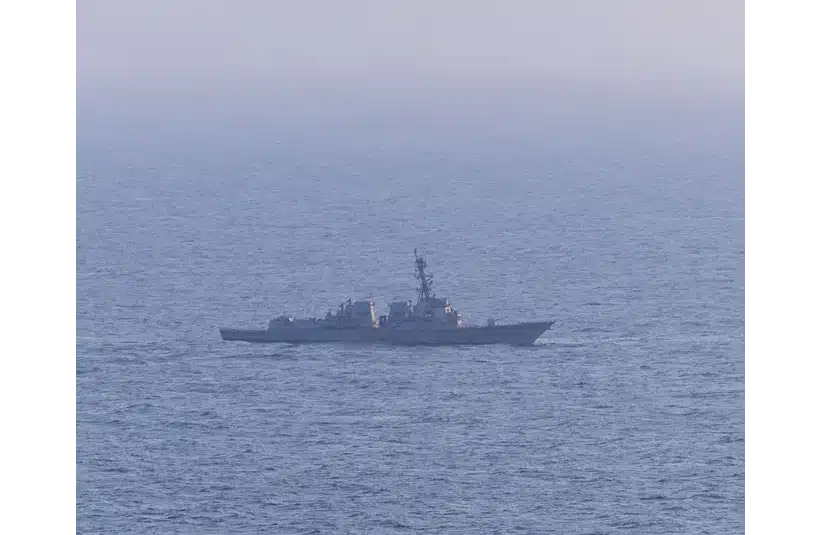
The ceasefire between the United States and Iran is under severe strain as negotiations struggle to move forward. Talks expected to take place in Pakistan have been delayed amid uncertainty over Iran’s participation, creating a growing sense of instability. At the same time, both sides continue to exchange accusations over violations, including a U.S. seizure of an Iranian cargo ship that Tehran has labeled a breach of the agreement.
These developments have only deepened mistrust between the two sides and raised fears that diplomacy is slipping away. While the ceasefire technically remains in place, the tone from both governments suggests that patience is running out. The longer talks remain stalled, the more likely it becomes that the fragile truce will give way to renewed conflict.
Trump Iran Ceasefire Warning Signals Military Action Could Return Fast
President Trump has signaled that the ceasefire is far from assured. He has warned that without a unified proposal from Iran, U.S. military operations could resume and escalate quickly. Officials have stressed that the United States remains fully prepared to act if talks collapse, underscoring how quickly the situation could shift.
In a statement posted on Truth Social, Trump underscored both the temporary nature of the pause and the readiness for escalation, writing, “I have therefore directed our Military to continue the Blockade and, in all other respects, remain ready and able, and will therefore extend the Ceasefire until such time as their proposal is submitted, and discussions are concluded, one way or the other.”
At the same time, Trump has extended the ceasefire temporarily to allow more time for diplomacy, a move influenced in part by mediation efforts from Pakistan. Still, the extension comes with clear limits, and the administration has signaled that it will not wait indefinitely. This creates a narrow window where diplomacy must deliver results or risk collapse.
Iran War Ceasefire Violations Fuel Fears of Immediate Escalation
Accusations of ceasefire violations have become a central flashpoint in the standoff. Iran has denounced U.S. actions at sea, while Hezbollah and other regional groups claim hundreds of violations linked to Israeli operations. These disputes are eroding trust and complicating already‑fragile negotiations.
Each new incident raises the risk of retaliation, potentially setting off a wider regional chain reaction. With multiple actors involved, from Israel to Iran‑aligned militias, the situation remains highly volatile, and even a single misstep could push the conflict back into full‑scale war.
Iran Conflict Impact on Oil Prices, Markets and Global Security
The fragile ceasefire is impacting the global markets. Oil prices have spiked, again, on fears that any return to fighting could jeopardize critical shipping corridors like the Strait of Hormuz, a lifeline for much of the world’s oil supply.
Financial markets are showing similar strain, with investors pulling back as geopolitical uncertainty grows. Energy costs are escalating, and potential supply chain shocks threaten broader economic stability. What started as a regional confrontation is now casting a long shadow over the global economy.
What Happens Next in the Iran War Could Shift Global Power Overnight
The coming steps in the ceasefire talks will do a lot to determine the conflict’s trajectory, but they also offer a rare chance to shift the momentum. If negotiations restart and produce even the outline of a workable framework, it could nudge the situation toward de‑escalation, giving us proof that diplomacy still has room to breathe. If the impasse holds, the risk of a rapid return to military operations grows, but the door isn’t closed yet.
There’s also the open question of how global powers will respond if the ceasefire falters. Regional allies, international institutions, and major economies are watching closely, fully aware that escalation would ripple far beyond the Middle East. Yet that attention also brings opportunity: coordinated pressure, shared incentives and a collective desire to avoid another destabilizing conflict. In many ways, this moment feels like a genuine crossroads, one where the decisions made now could shape the geopolitical landscape for years, and where a carefully timed diplomatic push might still change the ending.
