
Fierce State Of The War April 10, 2026: Iran, US, Israel and Lebanon Involvement
Minutes after U.S. and Iranian leaders announced they would accept a ceasefire, explosions and intercepts rippled across Israel, Lebanon and the Gulf, underscoring how quickly the region shifted from diplomacy to active fire. Air‑defense systems lit up before dawn as missiles and drones targeted multiple countries, even as Washington and Tehran framed the agreement as a step toward de‑escalation. Israel mentioned early that the ceasefire did not apply to Lebanon. By morning, regional governments were reporting fires, infrastructure damage, and civilian casualties, highlighting how fragile the ceasefire was from the moment it was announced.
Timeline of Key Events
Times are listed first in EDT (Eastern Daylight Time), then EEST (Beirut Time)
President Trump’s post on Truth Social accepting the ceasefire plan was timestamped at 6:32 p.m., April 7, 2026. (1:32 a.m. April 8, 2026) Source: Truth Social link
The earliest confirmation of the Iranian Minister of Foreign Affairs, Abbas Araghchi, confirming acceptance of the ceasefire is timestamped 7:17 p.m., April 7, 2026. (2:17 a.m. April 8, 2026) Source: X link
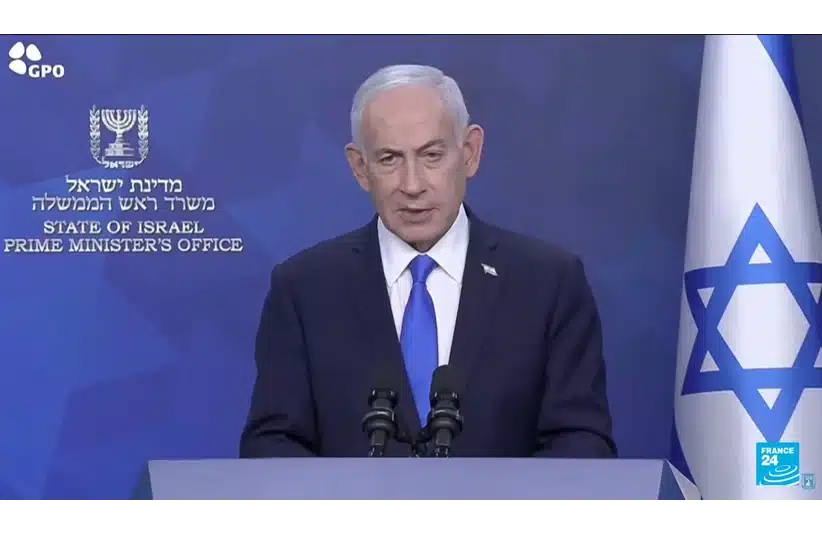
While Israel did not seem to accept the ceasefire deal brokered by Pakistan, Israeli Prime Minister Benjamin Netanyahu welcomed the US decision to suspend striking Iran. They said multiple times, however, that the truce did not include Lebanon, per Al Jazeera news reporting. The quote they mention on X cannot be found; only one with similar wording, but a different message.
Source: X link
Approximately 8:15 p.m. April 7, 2026 (3:15 a.m. April 8, 2026), the IDF reports an intercept over southern Israel, with Kuwait, Bahrain, and the United Arab Emirates (UAE) simultaneously activating defense systems between 8:30 p.m. and 9:15 p.m. (3:30 a.m. – 4:15 a.m.), respectively.
Morning of Dread
While it was said that the West was celebrating the announcements from President Trump and the Minister of Foreign Affairs Abbas Araghchi, Israel and the surrounding areas were under fire from missiles. With many of their people asleep at the time of the strike, defense systems were engaged to protect themselves. Al Jazeera reported the UAE’s defense ministry claimed Iran sent a wave of missiles and drones, informing the public that the security threat was high and to please stay home. A fire began at a gas processing facility early Wednesday. Gulf states set air defenses into action following the missile and drone attacks in the area.
Kuwait was also said to activate its air defenses against a wave of drones launched since 1 a.m (8 a.m.), mentioning a total of 28 drones had been handled. They activated based on intense Iranian attacks on their land, some targeting oil installations as well as power stations in the south. Kuwait’s Interior Ministry said there was severe material damage to several vital facilities of the Kuwait Petroleum Corporation and the energy and water resources after the attack.
Bahrain had also made reports of Iranian attacks, hours after the ceasefire announcement, with damage done to homes in the Sitra area caused by shrapnel as drones were intercepted from Iran. Bahrain’s capital, Manama, heard explosions in the morning with journalists seeing smoke rise from parts of Sitra Island, which hosts Bahrain’s energy facilities. Their civil defense crews managed to control a fire that broke out without elaborating on where the facility was located.
Despite these attacks, many in the Gulf region hope the ceasefire will hold, per Al Jazeera’s Malik Traina. This was after Israel had welcomed the ceasefire between the United States and Iran, but had stated the proposed plan of action would not include Lebanon.
April 8, 2026, 7:14 a.m. (2:14 p.m.) Operation Eternal Darkness
‘We Continue To Fight’: Israel Launches ‘Operation Eternal Darkness’, Hits 100 Targets Across Lebanon via APT YouTube Channel
Reporting from the International Committee of the Red Cross (ICRC) in Lebanon reported that explosive weapons were affecting wide areas, striking densely populated inner-city areas. Beirut Capital was also struck without advanced warning. With the calculated 10-minute-long strike happening during the daylight hours, bustling neighborhoods saw more than 100 killed and more wounded.
Their partner, the Lebanese Red Cross (LRC), was there responding in teams to evacuate the deceased and transport the wounded. This was done amid dangerous conditions and roadblocks created by debris. It was said they dispatched 100 ambulances to reach citizens in a remarkable effort to preserve life.
The ICRC is said to be working closely with their local authorities and the LRC in a support capacity while their medical facilities are overwhelmed, caused by the influx of casualties. Their assistance includes needed medical consumables and kits as well as emergency medical services.
As of April 10, 2026, 11:17 a.m. (6:17 p.m.)
PBS highlights that there may be issues set to derail a truce and the negotiations for a deal to end the war. They said Iran’s Tasnim news agency made claims that talks on Saturday wouldn’t occur unless Israel ceased attacking Lebanon. President Trump complained Iran was doing a poor job by now allowing ships through the Strait, a place that supplies 20% of the world’s oil.
However, Kuwait claimed they had drone attacks on Thursday night, and they blame these attacks on Iran and their militia allies. Iran has denied the assault, but PBS says it has carried out attacks before and did not claim them either.
Despite these issues, preparations appear to be moving forward for the talks between Iran and the U.S., with Vice President Vance traveling to Pakistan from Washington. While these travel plans are being made, negotiations between Israel and Lebanon could begin next week in Washington, according to someone familiar with the plans who spoke to PBS on condition of anonymity.
Before his departure, the Vice President was quoted as saying he believes the negotiations will be “positive,” but also that the negotiating team will not be receptive if they attempt to play them.
Direct Negotiations Between Israel and Lebanon
President Trump claimed Thursday he spoke with Israeli Prime Minister Benjamin Netanyahu, asking that he dial back the strikes. As of Friday morning, their military said they hit approximately 10 launchers that had fired rockets from Lebanon that fired rockets toward them earlier that day. Prime Minister Netanyahu says he authorized negotiations with Lebanon, “as soon as possible,” according to PBS, intending to disarm Hezbollah and establish relations, which have been at war since Israel was established in 1948. At this time, the Lebanese cabinet has not issued a public statement regarding negotiations, as both sides are negotiating under fire.
