
Noem: Administration Proposes Travel Restrictions Expansion

Homeland Security Secretary Kristi Noem announced this week that the Trump administration plans to significantly widen its travel ban, restricting entry from more than 30 nations.
This expansion builds on a directive from June, which initially barred citizens from 12 countries and placed restrictions on seven others.
Noem: Security Concerns Drive Policy Shift
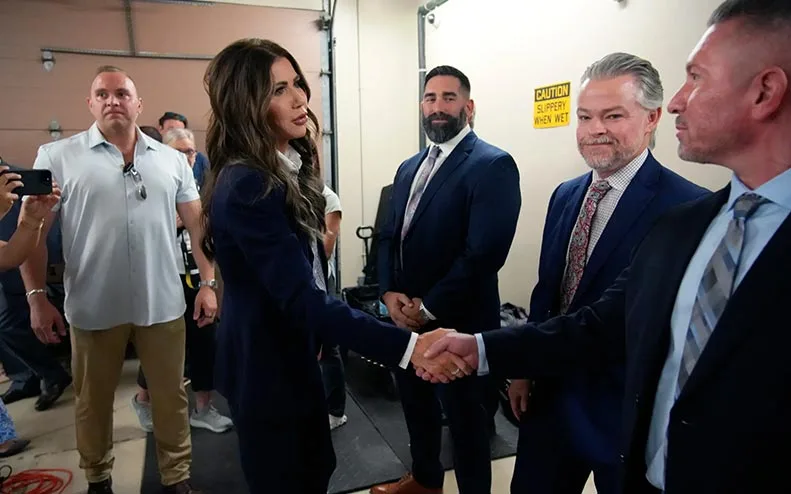
Speaking on Fox News, Noem confirmed the list is growing but did not name specific nations, stating that President Donald Trump is still deciding which countries will be included. “I won’t be specific on the number, but it’s over 30,” Noem said.
Noem defended the administration’s approach during her interview, describing the restrictions as a necessary step to protect Americans. “If they don’t have a stable government there, if they don’t have a country that can sustain itself and tell us who those individuals are and help us vet them, why should we allow people from that country to come here to the United States?” she said. For Homeland Security, ensuring thorough vetting has become a top priority in light of this incident.
Critics, however, argue that blanket restrictions propsoed by Noem unfairly target innocent people fleeing violence and chaos. Many asylum seekers and refugees, they point out, already undergo extensive screening before being allowed entry into the U.S. The broader ban, they warn, risks punishing those who pose no threat and are simply seeking safety.
Impact on Immigration and Asylum
The ripple effects of this policy shift are already being felt. In the week following the shooting, the Trump administration paused asylum decisions and halted immigration benefit processing for individuals from the 19 countries currently under restrictions. Afghan allies who supported the U.S. war effort now face additional uncertainty, as visa approvals for this group have also been suspended.
To complicate matters further, U.S. Citizenship and Immigration Services has announced that work permits for certain groups, including refugees and asylum seekers, will now be valid for shorter periods. This will require vulnerable populations to reapply more often, facing repeated vetting and additional bureaucratic hurdles.
