
Sand: The Silent Crisis Crumbling Beneath Our Feet
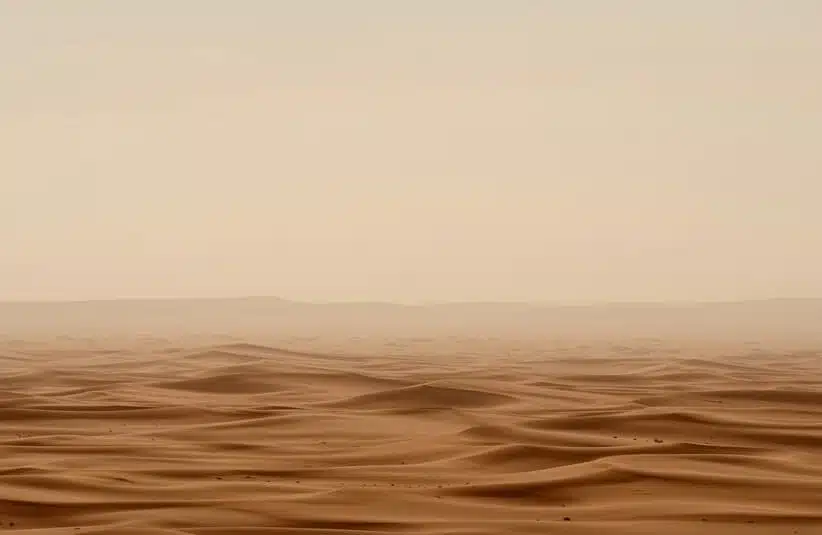
The sand beneath your feet is now worth more than gold, becoming one of the most sought-after commodities. That may sound like hyperbole, but it’s quickly becoming fact. The stuff kids dump in buckets at the beach is silently slipping through our fingers. Its depletion carries huge consequences nobody talks about. So, what exactly is going on, and should we be concerned?
The Sandman is Running on Empty
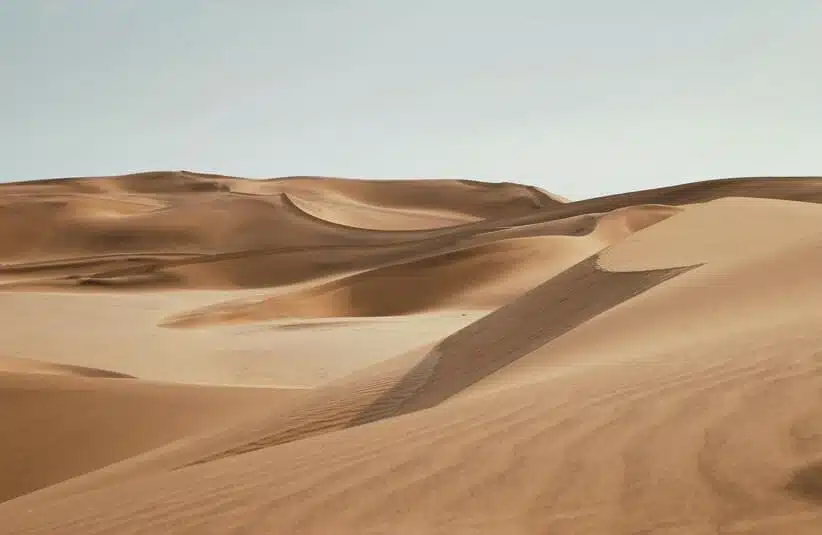
Sand is everywhere. From the beaches where people sunbathe to the concrete jungle of skyscrapers, this resource shapes daily life. It forms the primary ingredient in concrete, glass, and electronics. Those unique properties make it indispensable for construction. However, not all of it works the same. Desert sand, for example, is too smooth and round to build with.
Instead, companies desperately hunt for riverbed and marine sand with angular, coarse textures. This distinction puts serious pressure on natural habitats where usable sand hides. Humans are burning through this resource so fast for new buildings and roads that the construction industry alone uses each year enough to build a massive wall wrapping around the whole planet.
Developing countries racing to put up housing and transit just crank up that demand even more. This endless appetite for this resource is ripping up riverbeds and trashing beaches and marine life, but almost nobody seems to notice or care. The environmental damage keeps piling up while the people in a position to act continue to look the other way.
This Crisis is a Shore Thing
Digging up sand wrecks the environment. River dredging and beach mining shred ecosystems and wipe out biodiversity. Fish and other aquatic life lose their homes. Coastal areas face worse erosion, threatening both natural landscapes and human neighborhoods downstream. Pulling the resource from riverbeds also lowers water tables and messes with water quality. This hurts agriculture and drinking supplies. The economic benefits of its mining usually overshadow these impacts, but the long-term costs stack up fast.
Sand shortages mean prices explode. Suddenly, pouring a foundation for low-income housing or paving a small road costs double what it should. It prices the people who need it most right out of the market. And where there’s a shortage, there’s crime. A black market has sprung up—guys in trucks hitting rivers at night, stealing it by the ton.
They tear up the riverbed, kill off aquatic life, and muddy the water, leaving a total mess behind for the communities living downstream. This leaves a tangled web where weak regulations and nobody enforcing the rules just make the whole situation worse. Honestly, it’s a total economic cluster that just keeps spiraling.
A Beachhead in the War on Sand Depletion
Communities near mining sites feel the pain most directly. Communities near mining sites feel the pain most directly. Local communities pay the price for sand mining every single day—people lose their homes, their jobs, and end up breathing in dust that destroys their lungs. All that pollution from digging up riverbeds triggers respiratory problems and other nasty sicknesses that stick around for years.
You never see these stories make headlines, but they’re the real cost of all the concrete we pour without thinking twice. The sand crisis demands global policy coordination. Countries must work together to manage resources and shut down illegal mining. Governments need to enforce real regulations and push sustainable practices industry-wide. Public campaigns can wake people up to the importance of saving sand. Treating it like the finite resource it actually is might help build a more sustainable future.
Don’t Take Sand for Granite
Most people still don’t get how much sand matters or why its disappearance spells trouble. Education can change that. Schools, media and environmental groups can spread awareness and build a culture around conservation. Understanding the crisis puts people in a position to actually do something about it.
Protecting sand requires everyone stepping up. Everyone—from individuals to industries to governments—has a role to play. Innovation, regulation and education need to work together. Valuing it as the precious resource it truly is might keep it available for the next generation. The clock keeps ticking before the sand really does run out.
