
Cancer Research Has a Dangerous Age Blind Spot
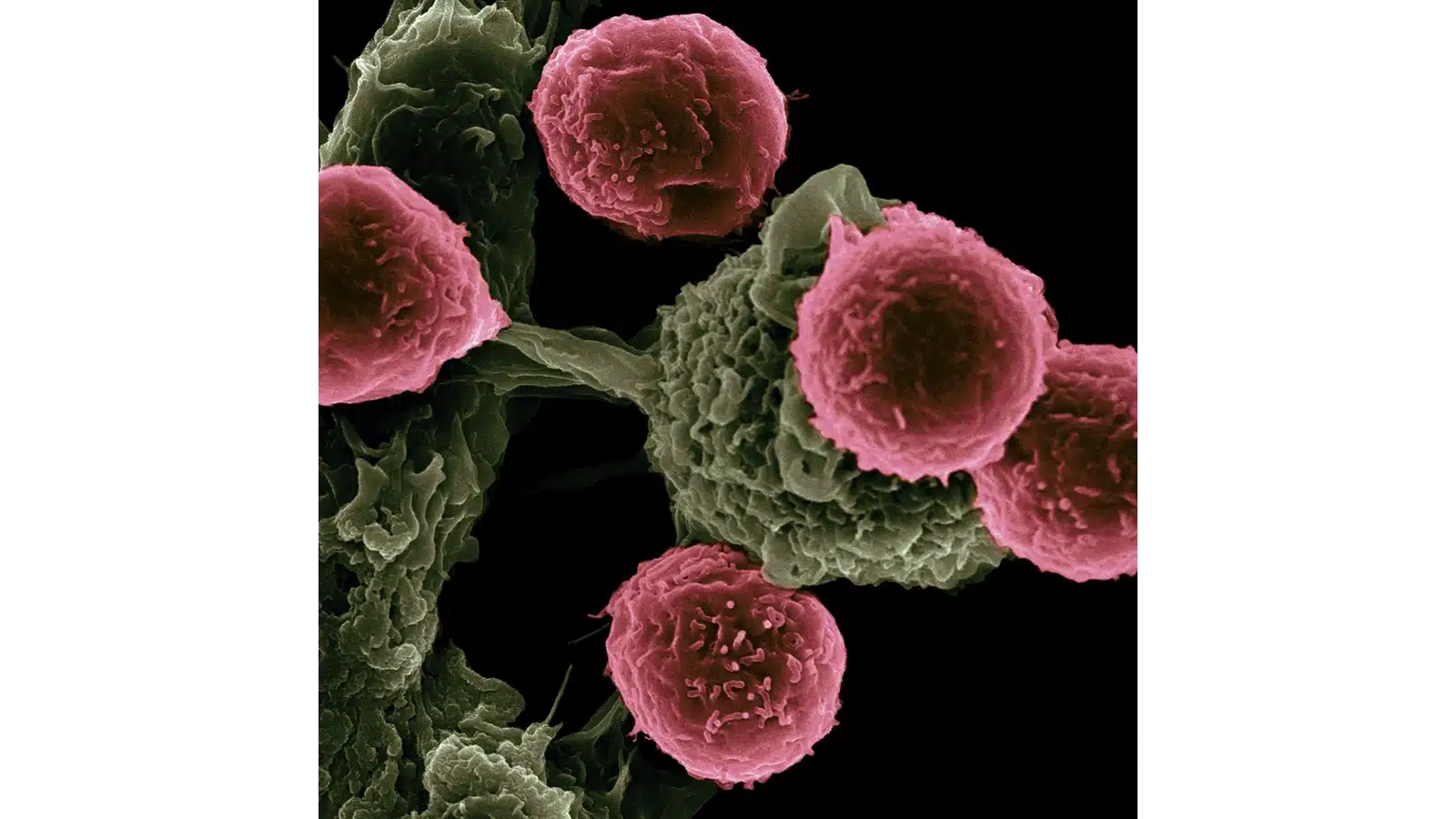
Cancer becomes more common as people add candles to their birthday cake, but treatment gets trickier when those candles pile up. Most mouse studies ignore that reality entirely, with fewer than ten percent using aged animals that reflect older human patients. Researchers typically run experiments on mice that match humans in their early twenties, young and healthy, and full of fight. Why would scientists build cancer therapies on a foundation that ignores the very people most likely to get sick?
Middle-Aged Mice Tell a Worrisome Story
That gap between lab success and real-world failure may explain why so many promising treatments crash and burn in human trials. New findings from Fox Chase Cancer Center, presented at the American Association for Cancer Research annual meeting, now challenge everything researchers thought they knew. Melanoma does not behave the same way throughout the aging process, and that discovery could reshape how doctors treat older patients.
Researchers at Fox Chase tracked melanoma spread across three groups of mice: young, middle-aged, and very old. The cancer spread least in young mice, peaked dramatically in middle-aged animals, and then dropped again in the oldest group. That upside-down pattern surprised everyone because common sense says older bodies struggle more against any disease. A cancer biologist named Mitchell Fane, who specializes in aging and cancer, led the investigation and pointed out a major blind spot in current research.
Most studies use very young mice with healthy, intact immune systems, which creates a false sense of security about how well therapies will work. Understanding how treatments affect older patients would give doctors more options and enable better, more personalized care for a population that desperately needs it. Clinical research has historically enrolled fewer older adults, creating evidence gaps that can make treatment decisions more difficult for aging patients.
Gamma Delta Cells Guard the Body’s Gates
The research team believes a specialized group of immune cells called gamma delta T cells holds the key to this age-related puzzle. These cells act like an early warning system, patrolling the body and preventing cancer from spreading to distant organs. Young mice had high levels of these protective cells, and their tumors stayed dormant or spread very little. Very old mice also carried plenty of gamma delta T cells, which explains why their cancer spread remained low despite their advanced age.
Middle-aged mice told a completely different story, with far fewer of these immune defenders and much more aggressive melanoma that traveled to the lungs and liver. Why does the immune system dip in middle age only to rally again in the elderly? That question now drives Fane’s laboratory toward new discoveries about how aging reshapes our internal defenses.
Melanoma Fights Back Against Aging Bodies
The team also discovered that melanoma cells do not sit quietly while the immune system changes around them. In middle-aged mice, the cancer actively releases molecules that suppress or exhaust gamma delta T cells, weakening the body’s own defenses from within. As those protective cells fade, previously dormant cancer cells awaken and spread more aggressively to new sites. This finding turns the old understanding on its head because cancer does not just exploit a weak immune system; it helps create that weakness.
Melanoma is a type of skin cancer that develops in pigment-producing cells called melanocytes. Although it accounts for a smaller share of skin cancer cases, it is more likely than many other skin cancers to spread to distant organs if left untreated.
Additional experiments proved the point by removing gamma delta T cells from young and very old mice, resulting in a significant increase in melanoma spread. Blocking the signals that suppress immune activity restored protection and reduced cancer spread in middle-aged mice, although the same trick did not work in the younger or older groups. That difference suggests middle age represents a unique window in which intervention might make the biggest impact.
Aged Mice Cost Time and Money
One major reason aging studies remain uncommon has nothing to do with science and everything to do with logistics. Young mice cost less, breed faster, and require minimal care, while aged mice need long-term housing and dedicated staff for up to two full years. Researchers must wait 18 to 24 months before mice reach an appropriate age for aging research, and that wait drains budgets and patience. Fane and colleague Yash Chhabra helped solve that problem by establishing an aged mouse facility at Fox Chase Cancer Center.
The facility maintains established colonies of older mice, which lowers both the cost and the time barriers that kept scientists away from aging studies. Now researchers can test whether their interesting models hold true across different stages of life instead of assuming young mice represent everyone. Does it make sense to develop cancer drugs on young animals when the average patient walks into the clinic with gray hair and decades of life behind them?
Cancer Risk and Aging Break the Expected Curve
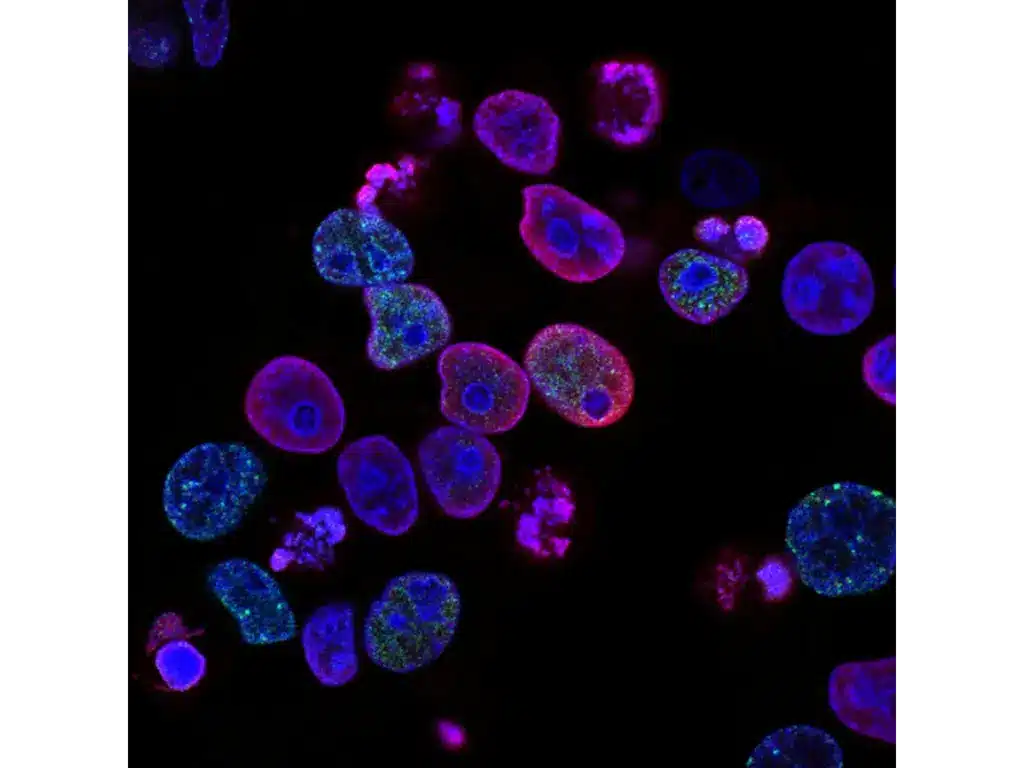
Understanding how aging affects cancer could lead to more effective treatments for the patients who need them most. Fane’s laboratory focuses on a fascinating observation: the relationship between age and cancer does not follow a simple upward straight line. Although cancer risk generally rises with age, some studies have found that incidence rates for certain cancers level off or decline among people over 80 to 85 years old.
That observation has intrigued researchers because advanced age is generally associated with weaker immune responses and more accumulated cellular damage. The new findings suggest that changes in the immune system over the course of aging play a starring role in determining when cancer spreads. That knowledge could eventually lead to treatments tailored not just to someone’s tumor but to their specific age.
Building Better Models for Real Patients
The aged mouse facility at Fox Chase now allows researchers to test their hypotheses across the full spectrum of life, rather than just in young, healthy mice. Fane encourages colleagues to ask whether their interesting models hold true in aged mice before moving toward human trials. That simple question could save millions of dollars and years of failed research by catching age-related problems earlier in the process.
The observation that some cancer risks appear to decline after 80 to 85 years of age remains unexplained but deeply intriguing. Fane wants to uncover the mechanism behind that decline because it might reveal new ways to protect middle-aged patients before their cancer spreads. The immune system clearly changes with age, but those changes are not simply a steady decline toward zero. Some defenses rally late in life, and understanding that rally could transform how doctors treat older adults.
Cancer Research Needs More Gray Hair
The current standard of using young mice in cancer studies creates a dangerous blind spot for older patients, who make up the majority of cancer cases. Fane’s work shows that melanoma spreads differently in young, middle-aged, and very old animals, which means a therapy that works in a young mouse might fail in a sixty-year-old human. The discovery of gamma delta T cells offers a potential explanation for why the immune system dips in middle age and then recovers.
That recovery in very old mice may help researchers explore why some cancer rates appear to decline in very advanced age. Researchers must start including aged animals in their studies as a routine practice, not a special exception. The aged mouse facility at Fox Chase lowers the barriers, but scientists need to choose to walk through that door. Does the medical community owe it to older patients to test therapies on models that actually look like them? The findings add to growing calls for researchers to include more aged animal models in cancer studies.
Aging Changes the Rules of the Game
Cancer does not care about convenience or research budgets, but it does care about the age of the body it invades. The Fox Chase findings reveal that melanoma spreads least in the young and the very old, peaking in the messy middle where most patients actually fall. Understanding why gamma delta T cells decline in middle age and then rebound could unlock new treatment strategies that boost those defenses.
Blocking the signals that suppress immune activity worked in middle-aged mice, offering a potential path forward for human therapies. Fane’s team continues exploring the mechanisms behind the unexpected drop in cancer rates among people over 80. That decline suggests the immune system holds hidden reserves that activate late in life, and those reserves might be trainable. The aged mouse facility now provides researchers with the tools to ask these questions properly, and the answers could save lives across all age groups.
Additional News from Total Apex Herald
Follow David Gilbert for Entertainment, Gaming, and Current Affairs Coverage
Stay connected with David Gilbert for the latest updates on entertainment, gaming, technology, science, and current affairs.
You can also explore more of David Gilbert’s reporting and analysis across Total Apex Entertainment and Total Apex Herald.
