
NASA Space Station Turns Into Medical Drama
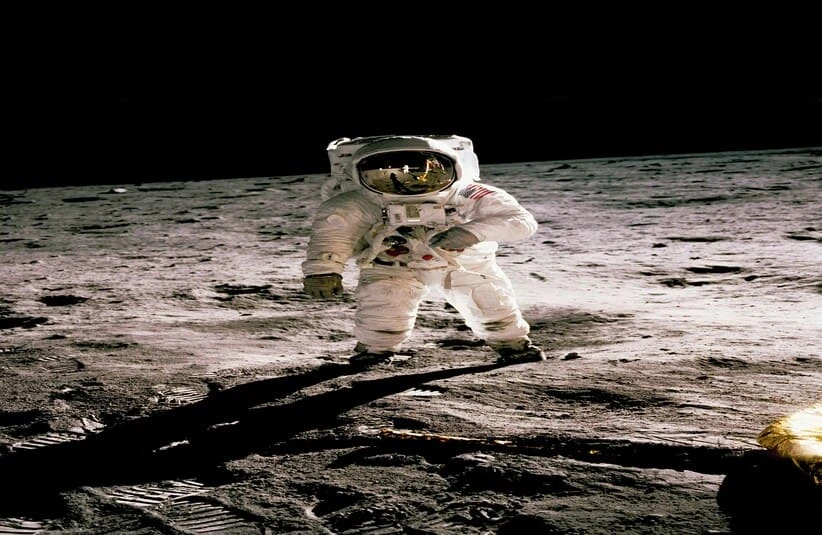
NASA found itself dealing with a medical mystery more than 200 miles above Earth when astronaut Michael Fincke suddenly fell ill aboard the International Space Station. The incident happened back in January, cutting short a 167-day mission and sending four crew members home earlier than planned. It was the first medical evacuation in ISS history. Fincke still doesn’t know what caused the episode, which he described as something that came completely out of the blue. What does a person do when they suddenly can’t speak while floating in a tin can above the planet?
Floating Two Hundred Miles From Help
Fincke recalled feeling perfectly fine the evening before, meeting with doctors and getting ready for a spacewalk scheduled for Jan. 8. Everyone felt super, as he put it, and then suddenly he wasn’t. The moment happened while he ate dinner, when his ability to talk just vanished without warning. His crewmates spotted the distress immediately and sprang into action, with one Russian crew member rushing to grab the others, turning the situation into an all-hands-on-deck affair within seconds.
How does anyone stay calm when their friend goes silent at the dinner table in space? Within minutes, flight doctors on the ground joined the scene via video link, guiding the crew through initial diagnostic tests. Unlike a hospital visit back home, there’s no emergency room with specialists waiting in low-Earth orbit. NASA stocks medical supplies aboard the station, but the setup remains minimal compared to what exists on solid ground.
An Astronaut Plays Doctor On Himself
Fincke performed his own echocardiogram using the onboard ultrasound, ruling out a heart attack, then ran a few other tests to eliminate some strong, scary possibilities. Eventually, the team felt comfortable admitting they didn’t know what was going on, but the smart move meant heading back to Earth just to be safe. Isn’t it wild that an astronaut has to play doctor on themselves while floating past the planet at 17,500 mph?
Before the medical issue threw everything into chaos, the crew had marked the 25th anniversary of continuous human presence on the ISS and wrapped up more than 140 experiments. Fincke now suspects his sudden illness might tie back to prolonged exposure to microgravity, which does strange things to the human body over time.
He hopes the experience helps NASA develop better strategies for keeping astronauts safe during longer missions, especially as the agency looks beyond low Earth orbit. NASA has the Artemis program gearing up for a lunar flyby potentially as soon as this week, with an eye on eventually sending crews to Mars for years at a time. How do you plan for a sudden medical mystery when the nearest hospital sits millions of miles away?
Microgravity Serves Up A Mystery Illness

Fincke pointed out that this moment represents a really interesting time for spaceflight, with the station showing its value as a testing ground for understanding how humans and microgravity interact. NASA intends to use lessons learned from incidents like this to shape medical protocols for missions that stretch far beyond the safety net of Earth.
The agency knows that a medical emergency on a Mars trip won’t allow for a quick return home inside a Soyuz capsule. Fincke’s experience highlights just how much remains unknown about how the human body behaves when it spends months floating without gravity. Does anyone really know what happens to a person after years of that?
NASA Learns Lessons From Scary Episode
For now, Fincke continues recovering on the ground, still without a clear answer about what caused that terrifying moment in January. NASA declined to comment on the severity of the medical issue, citing privacy concerns, which leaves plenty of room for speculation. The whole situation serves as a reminder that space travel remains unpredictable, no matter how much planning goes into it.
A person can feel super one moment and find themselves unable to speak the next, with nothing but a few ultrasound machines and a video link to Earth standing between them and disaster. NASA will likely spend years studying this case to prepare for the longer journeys ahead, because if something goes wrong on the way to Mars, the crew won’t have the luxury of turning around and coming home.
