
Moderna’s Melanoma Vaccine Trial Marks a Turning Point for mRNA Cancer Treatment

Moderna’s experimental melanoma vaccine delivered a strong late‑stage trial result this week, sending the company’s share price soaring and signaling a potential shift in how cancer may be treated in the years ahead. The therapy, developed with Merck, is part of a growing class of personalized mRNA cancer vaccines designed to train the immune system to recognize and attack a patient’s specific tumor. The companies said the trial met its primary goal of improving recurrence-free survival, a milestone that researchers have long viewed as a critical test for the technology.
The announcement immediately reshaped investor expectations. Moderna’s stock jumped more than 150 percent in early trading after the results were released, briefly more than doubling the company’s market value and underscoring how closely Wall Street has tied Moderna’s future to its oncology pipeline. Merck shares also rose, reaching a record high.
A Personalized Approach to Melanoma
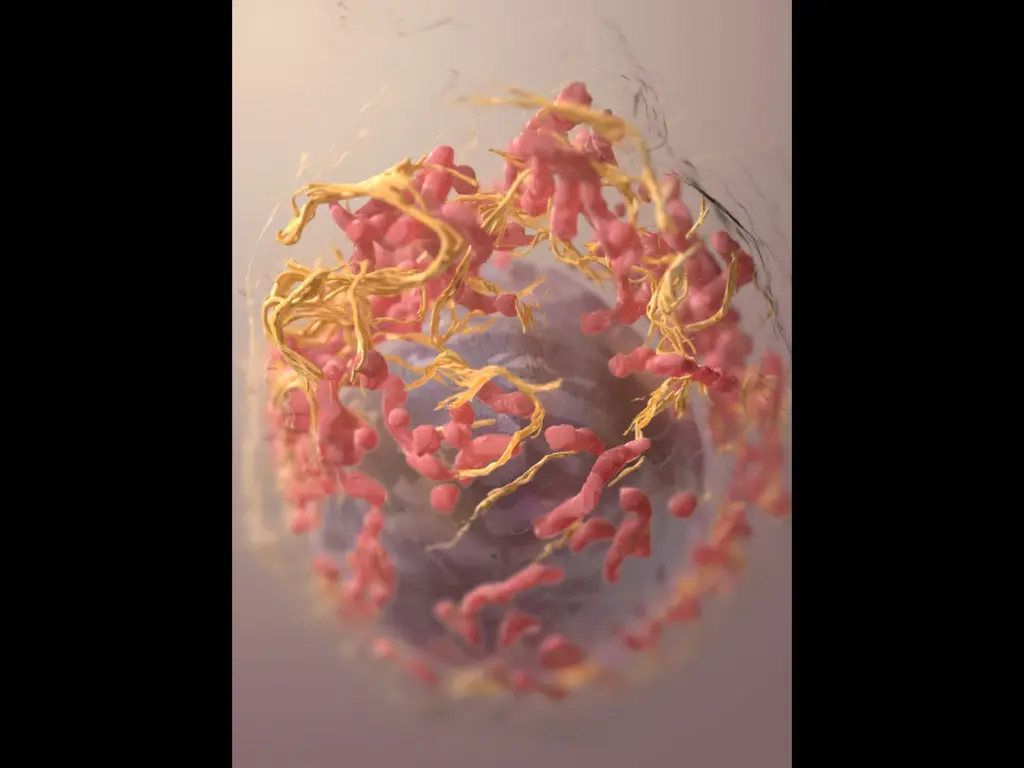
The vaccine, custom-built for each patient, is intended for people who have already undergone surgery to remove melanoma. According to Moderna and Merck, the therapy uses messenger RNA to deliver instructions that help the immune system identify mutations unique to an individual’s tumor. The companies said the regimen combines Moderna’s personalized mRNA shot with Merck’s immunotherapy Keytruda.
Professor Georgina Long, principal investigator of the study and medical director of Melanoma Institute Australia, called the findings “a landmark moment for adjuvant melanoma treatment.” Her assessment reflects the broader scientific interest in personalized cancer vaccines, which have been studied for years but have struggled to demonstrate clear clinical benefit in large trials.
The companies described the therapy as the “first and only” combined treatment to show “statistically significant and clinically meaningful improvements” in preventing melanoma from returning or spreading after surgery. Full trial data have not yet been released and will be presented at an upcoming scientific meeting.
Why the Results Matter
Melanoma remains one of the most dangerous forms of skin cancer, with high rates of recurrence even after tumors are removed. Traditional treatments rely on immunotherapies that help the body attack cancer cells, but they do not target the specific mutations that make each tumor unique. Personalized mRNA vaccines attempt to close that gap by encoding tumor-specific information into each dose.
Moderna Chief Executive Stéphane Bancel wrote that the results demonstrate “the potential of an entirely new class of medicine,” describing the approach as a way to design a therapy around the genetic information contained within a patient’s cancer. The company has said it hopes to expand the technology to other tumor types and stages.
Researchers view the trial as an important proof of concept. If the vaccine continues to show benefit in follow-up studies, it could help establish a new model for cancer care in which treatments are tailored to the mutations driving each patient’s disease. Early research is already underway in lung, kidney, bladder and other cancers.
A Company at a Crossroads
Moderna’s rapid rise during the coronavirus pandemic made it one of the most closely watched biotechnology companies in the world. Its COVID-19 vaccine helped drive record revenue and positioned the company as a leader in mRNA technology. But demand for COVID-19 vaccines has since declined, and Moderna has faced pressure to demonstrate that its platform can succeed beyond infectious disease.
The company has invested heavily in oncology, betting that personalized cancer vaccines could anchor its next phase of growth. Even with Wednesday’s sharp increase, Moderna’s share price remains far below its 2021 peak, when COVID-19 vaccinations were at their highest levels. The company has been one of the most shorted stocks in the S&P 500, reflecting skepticism about its near-term prospects.
The new trial results offer a potential path forward. If regulators ultimately approve the therapy, Moderna would have the first mRNA-based cancer vaccine to reach the market. The companies have not said when they plan to submit the treatment for regulatory review.
What Comes Next
The trial’s success raises several questions that researchers and regulators will need to address. Longer follow-up will be required to determine whether the protection against recurrence holds over time. Manufacturing capacity for personalized vaccines, which must be produced for each patient, will also be a key factor in determining how widely the therapy can be used.
For now, the results represent a significant step for a technology that has been discussed for more than a decade. Moderna and Merck’s collaboration began well before the pandemic, and the companies have said that the scientific groundwork laid in oncology helped accelerate the development of COVID-19 vaccines.
The latest findings suggest that the same technology may be ready to return to its original purpose. If confirmed, the trial could mark the beginning of a new era in cancer treatment, one in which vaccines are designed not for broad populations but for the genetic signature of each patient’s disease.
Written with the help of AI, reviewed and edited by Sarah Kennedy
