
Brain Aging May Begin With Protein Factory Failures, Stanford Researchers Find
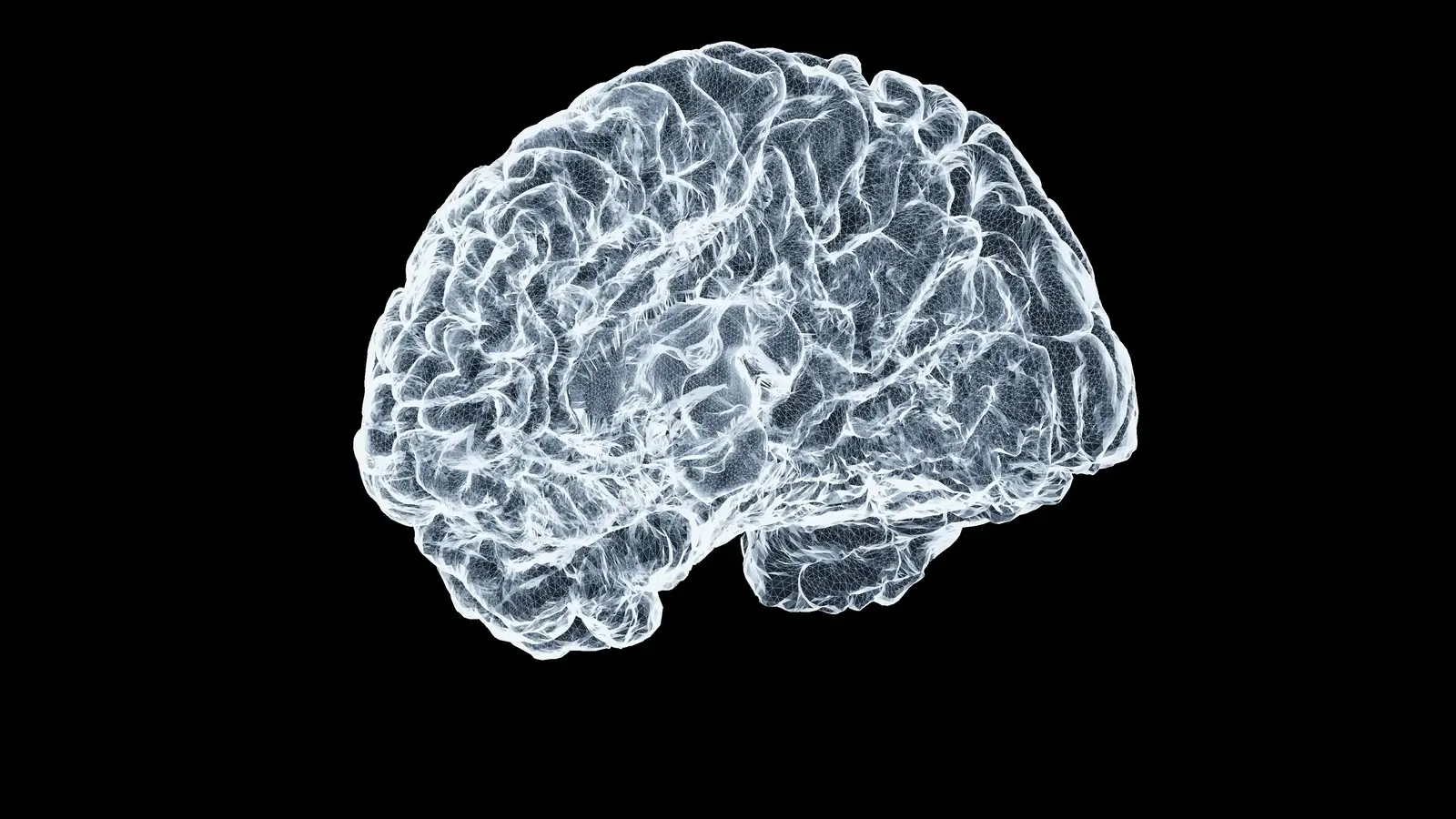
Have you ever felt your mind just hit a wall trying to remember where you left your keys? According to a new Stanford study, issues with protein production may play a major role in why aging brains become more vulnerable to memory and thinking problems. Scientists discovered that the cellular systems responsible for making new proteins start to break down like an old car engine. This collapse leads to toxic clumps that mess with memory and thinking skills.
Ribosomes Cause Awful Traffic Jams
The tiny turquoise killifish, a flashy little creature that lives about as long as a houseplant, helped crack this case wide open. Compared to slow-aging mice, these fish show their age-related problems quickly, making them valuable for researchers studying aging. The team looked closely at how young, adult, and old fish build proteins inside their cells.
Researchers measured amino acids, messenger RNA, and other cellular markers to identify where the process was breaking down. The main villain turned out to be a stage called translation elongation, where ribosomes crawl along and assemble proteins piece by piece. What happens when those ribosomes start crashing into each other like cars on a freeway?
In older fish brains, these molecular pileups became super common, leading to fewer good proteins and more nasty clumps. A scientist named Judith Frydman said this explains why so many things go wrong at once during aging, from cells to entire organs.
Brain Gets the Short End Here
The research also solved a weird puzzle called protein-transcript decoupling, which is a fancy way of saying your instructions stop matching your actions. Brain functions depend on this delicate balance, and when it tips over, chaos follows. Brain cells start losing their ability to keep things stable, and that opens the door to diseases like Alzheimer’s.
Brain researchers have wondered for years why mRNA levels and protein levels stop lining up in older folks. Brain deterioration might actually start with these ribosome slowdowns rather than something else entirely. Brain health could improve if scientists find ways to fix these tiny traffic jams before they cause big problems.
Protein Clumps Lead to Real Trouble
These protein clumps look a lot like the ones found in people with Alzheimer’s disease and other neurodegenerative disorders. The Stanford crew plans to test whether fixing ribosome function could protect older humans from similar fates. A postdoc named Jae Ho Lee, now a professor at Stony Brook, said this work opens a new target for treatments.
Could a pill someday keep your protein factories running as they did at twenty? The team wants to boost translation efficiency, which sounds like corporate speak but actually means helping your cells work right. For now, the killifish deserve a round of applause for giving up their secrets so older adults might eventually benefit from new treatments.
Cheer Up, Your Brain Isn’t Totally Doomed
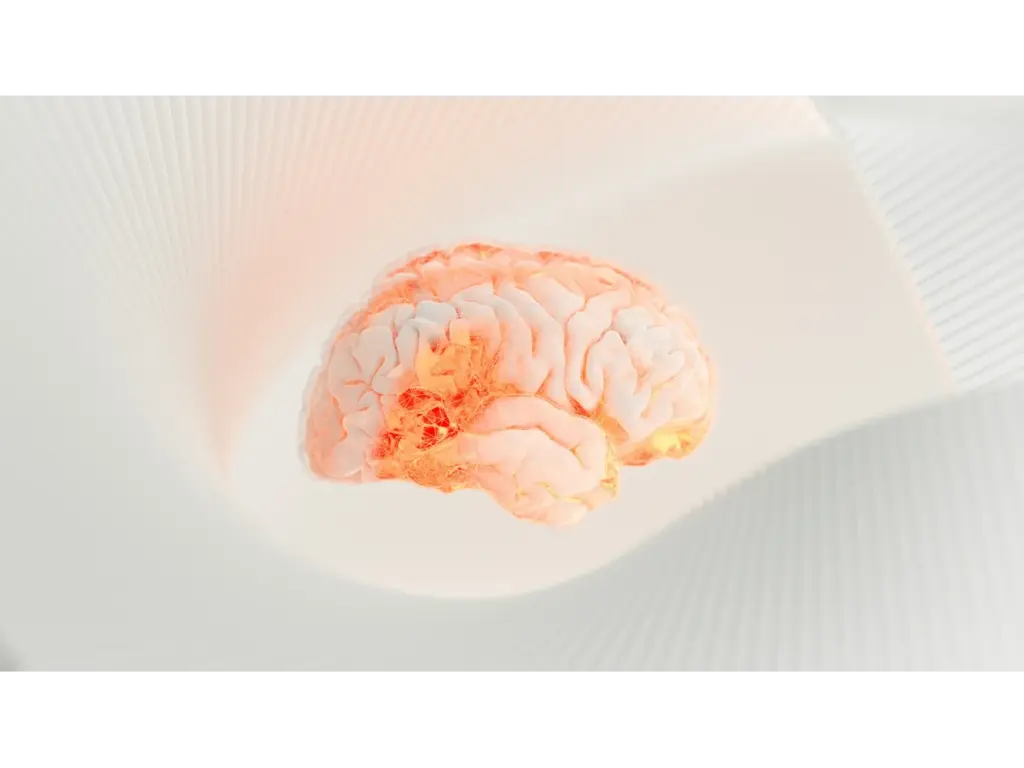
So what does a tired killifish with crashing ribosomes have to do with your forgetful uncle who keeps losing his glasses? The honest answer is plenty, because human brains work the same basic way, just slower and more dramatic about it. This research suggests that the road to mental decline might not be some unavoidable freight train but rather a collection of little broken machines that could potentially be fixed.
Has anyone ever told you that losing your memory is just part of getting old and you should learn to live with it? Stanford’s work flips that gloomy message on its head by pointing to specific, treatable problems instead of vague doom. If scientists can develop drugs or lifestyle tricks that keep ribosomes moving smoothly, people might stay sharper well into their eighties without relying on crossword puzzles alone.
Small Changes Could Make a Huge Difference
For regular folks not wearing lab coats, this means paying attention to habits that support healthy protein production in the body, like eating decent food and not treating sleep like a suggestion. The killifish study also hints that stress, poor diet, or lack of movement might accelerate those ribosome traffic jams long before anyone feels confused.
A person in their forties who feels mentally sluggish might actually be watching their protein factories sputter years before any official diagnosis shows up. Could a simple blood test someday measure ribosome health and warn people to change their ways early? That possibility is still years away, but knowing the enemy exists is the first step toward beating it. Until then, experts generally recommend regular exercise, adequate sleep, balanced nutrition, and mental engagement as part of a healthy aging strategy. shield that anyone has right now.
Additional News from Total Apex Herald
- Arctic Ocean Losing Critical Nutrient as Climate Change Threatens Marine Food Web
- FIFA’s World Cup Dreams ICE-Cold Reality as Strike Threat Looms
Follow David Gilbert for Entertainment, Gaming, and Current Affairs Coverage
Stay connected with David Gilbert for the latest updates on entertainment, gaming, technology, science, and current affairs.
You can also explore more of David Gilbert’s reporting and analysis across Total Apex Entertainment and Total Apex Herald.
