
The Strait of Hormuz in 60 Seconds: A Quick Guide for People Who Don’t Follow Geopolitics

Tensions in the Gulf are running hot again. A string of tanker seizures, drone sightings near commercial lanes and renewed threats from regional powers have pushed the Strait of Hormuz back into the global spotlight. Every time this happens, markets twitch, governments issue warnings and the world is reminded — sometimes abruptly — that a narrow strip of water can still shake the global economy. For readers who don’t live and breathe geopolitics, here’s the fast, clear breakdown of why this place matters so much.
The Geography Behind the Headlines
The Strait of Hormuz is a geographic bottleneck with outsize influence. Wedged between Iran’s southern coastline and Oman’s rugged Musandam Peninsula. According to the International Energy Agency (IEA), “at its narrowest point, the Strait is only 29 nautical miles wide (54 km) and it consists of 2-mile-wide navigable channels (3.7 km) for inbound and outbound shipping as well as a 2-mile-wide buffer zone.” That slim corridor is the only maritime exit for the Persian Gulf’s major oil‑producing states. Tankers leaving Saudi Arabia, Kuwait, Qatar, Bahrain or the UAE have no alternative route to the open ocean. Everything funnels through this one chokepoint before spilling into the Gulf of Oman and the Arabian Sea. It’s geography as destiny — and vulnerability.
Strait of Hormuz: Why This Narrow Passage Shapes Global Markets
For all its modest size, the Strait of Hormuz is one of the world’s most consequential energy arteries. According to the UN Trade and Development, around one quarter of global seaborne oil and a significant share of liquefied natural gas pass through it. When the strait is calm, the global economy hums along without noticing. But when tensions rise — a drone strike here, a naval escort there — markets react instantly. Oil prices jump. Shipping insurance spikes. Airlines, trucking companies and eventually consumers feel the ripple. A slowdown in this single location can send shockwaves across continents in a matter of hours.
Strait of Hormuz Stakeholders: Who Shape the Strait
Control of the Strait of Hormuz is a layered mix of geography, sovereignty and international law. Iran dominates the northern shoreline; Oman controls the southern side. The shipping lanes recognized by the international community run through both countries’ territorial waters. Under the United Nations Convention on the Law of the Sea, commercial vessels have a guaranteed right of transit passage, a legal safeguard designed to keep essential waterways open even when they fall within national boundaries.
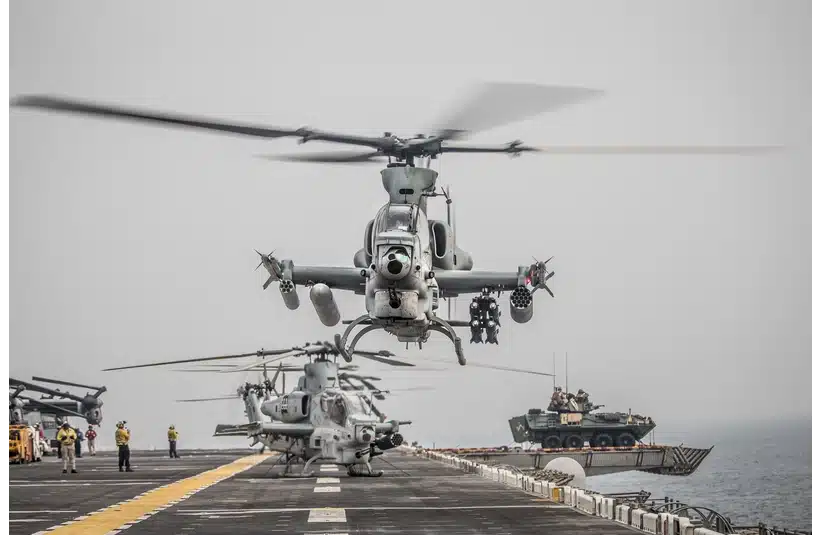
However, legal protections only go so far. The Strait’s security also depends on the foreign naval forces that patrol it — led by the United States, which has kept a continuous presence in these waters for decades. Their job is to deter interference, escort at‑risk vessels, and make clear that the world is paying attention. It’s a tense mix of coastal authority, international rules, and military power, creating a fragile balance that can shift abruptly when political tensions flare.
How a Disruption Would Ripple Across the World
A full shutdown of the Strait of Hormuz would be a global economic shock. Energy exports from the Gulf would plunge, hitting Asia first — especially China, Japan, South Korea and India, which rely heavily on Gulf oil and gas. But the impact wouldn’t stop there. Shipping insurers could pull coverage, forcing tankers to reroute thousands of miles. Energy prices would spike. Supply chains would slow. Governments would scramble to stabilize markets. Even a partial disruption — tankers idling offshore, naval escorts slowing traffic, insurers raising premiums — is enough to rattle markets and unsettle policymakers.
The Reason Every Flare‑Up Sends Prices Soaring
The world reacts so quickly to trouble in the Strait of Hormuz because the stakes are enormous. Iran has repeatedly threatened to disrupt or close it during political crises and has seized or harassed tankers in the past. The waterway is narrow, crowded and strategically indispensable. A single mine, drone strike, or miscalculation can send oil prices soaring within hours. Governments issue alerts, navies reposition and markets brace for the worst. It’s one of the few places on Earth where a small spark can ignite global anxiety.
What It All Means Going Forward
The Strait of Hormuz may look like a thin blue line on a map, but its influence is vast. It remains the world’s most important energy chokepoint — a place where geography, economics and geopolitics collide with unusual force. Even minor tensions can send ripples far beyond the Middle East. Understanding this narrow passage is understanding why global markets can shift overnight, and why the world keeps such a close eye on a place most people will never see.
