
Archaeologists Uncover the Guano That Powered a Kingdom
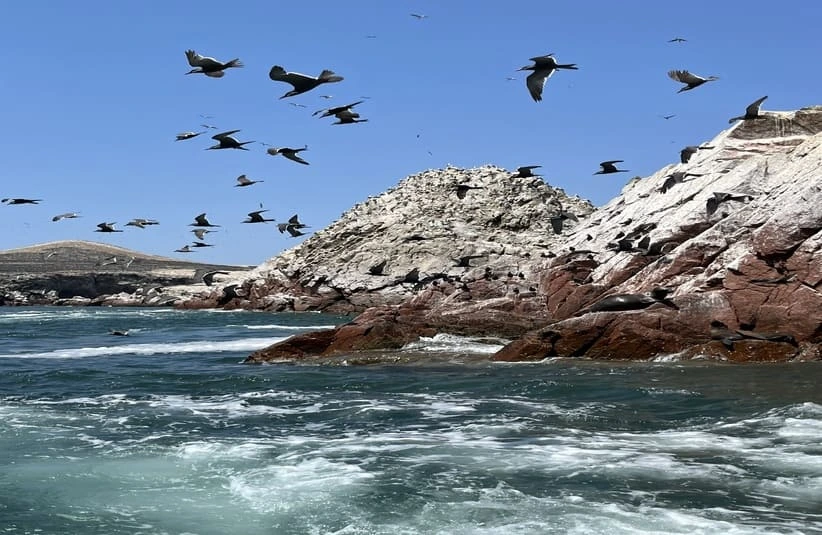
A team of archaeologists has uncovered compelling evidence that a seemingly humble substance—seabird guano—fueled the rise of a pre-Inca empire. A fresh look at ancient crops, powered by modern science, tells a compelling story: nutrient-rich bird droppings didn’t just help gardens grow; they were a cornerstone of power for the Chincha Kingdom. This guano, a potent fertilizer, fundamentally transformed agriculture, turning a harsh desert coast into a breadbasket that shaped the course of regional history.
Archaeologists Find an Empire’s Foundation Was Fowl
The study, led by Dr. Jacob Bongers, centered on the analysis of 35 maize samples recovered from burial tombs in the Chincha Valley. Exceptionally high nitrogen levels were detected in the ancient corn, a signature that points directly to fertilization with seabird guano. This resource was likely harvested from the nearby Chincha Islands, a practice later documented in colonial-era writings.
For archaeologists, this biochemical data provided a clear scientific foundation for long-held theories about ancient Peruvian farming. Further supporting evidence was found in the region’s material culture. Imagery featuring seabirds, fish, and sprouting maize is depicted together on textiles, ceramics and carvings.
The Early Bird’s Guano Gets the Empire
To the archaeologists involved, this artistic convergence was not accidental; it signalled a deep cultural recognition of the vital relationship between marine birds and agricultural abundance. The fertilizer was not merely used but was celebrated and ritualised within society. The practical impact of this resource cannot be overstated.
Farming along the coast of Peru has always been a battle against the elements, with some of the planet’s driest deserts where soil nutrients vanish quickly. Guano changed that game entirely. This renewable resource acted like a supercharged fertilizer, unlocking the potential for maize to be grown in abundance.
That bounty of corn was nothing short of revolutionary. It fed a booming society and created a whole class of specialists—not just farmers, but merchants and artisans—catapulting the Chincha into the role of a premier coastal trading power. While their wealth was once credited to rare items like spondylus shells, the real foundation now appears to have been this fertile advantage.
The Ecological Engine of the Chincha Kingdom
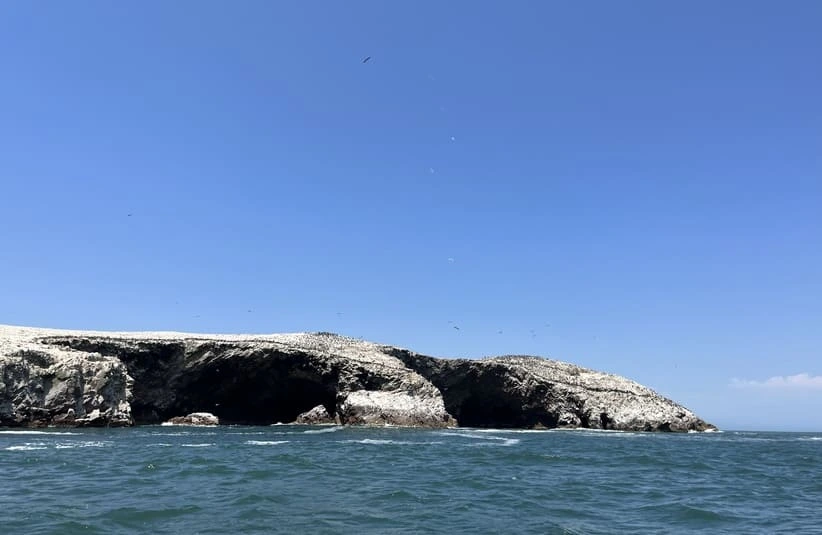
By connecting these agricultural dots, archaeologists are fundamentally rewriting the story of what made this kingdom rich and powerful. This perspective also sheds light on the strategic alliance between the Chincha and the Inca Empire. Because the highland Inca prized maize yet could not produce it in great volume themselves, and further lacked the maritime skills to access offshore resources, the Chincha’s command of the guano islands became a formidable bargaining chip in diplomatic relations.
Access to the guano, this critical fertilizer, is now seen by archaeologists as a key incentive for the Inca to forge a strategic alliance with the coastal kingdom, rather than conquer it outright. This discovery does more than just add a chapter to Chincha history; it asks for a whole new way of thinking about power in the ancient Andes.
Birds, Corn and the Throne: An Ancient Recipe
For these ancient people, true wealth was rooted in an intricate understanding of a whole ecological system, not mere possession. Archaeologists have traced the Chincha’s power to a unique traditional knowledge that linked marine birds to fertilize crops, a wisdom celebrated in their art and enabled by their seafaring to transform insight into the lasting abundance that built their realm.
Such findings underscore for archaeologists that political expansion in the ancient Andes could be driven more by sustainable environmental mastery than by conquest, a foundational surplus quite literally harvested from a profound ecological relationship. The success of the Chincha Kingdom sprouted from a most unlikely foundation: the vast deposits of seabird droppings lining their coast.
Diplomacy Forged Through Fertilizer Access
By harnessing the guano, this potent fertilizer, they achieved an agricultural bounty that fueled everything from bustling trade networks to a growing population and expanding political clout. In the end, this command over the natural world made the Chincha vital allies to the powerful Inca Empire in the highlands. What these discoveries show is that in the harsh deserts of ancient Peru, real authority was grown as much as it was taken, rooted in a profound understanding of the bonds between the ocean, the earth, and the people who worked them.
