
10 of the Most Devastating Wildfires in History: From Global Firestorms to America’s Deadliest Blazes
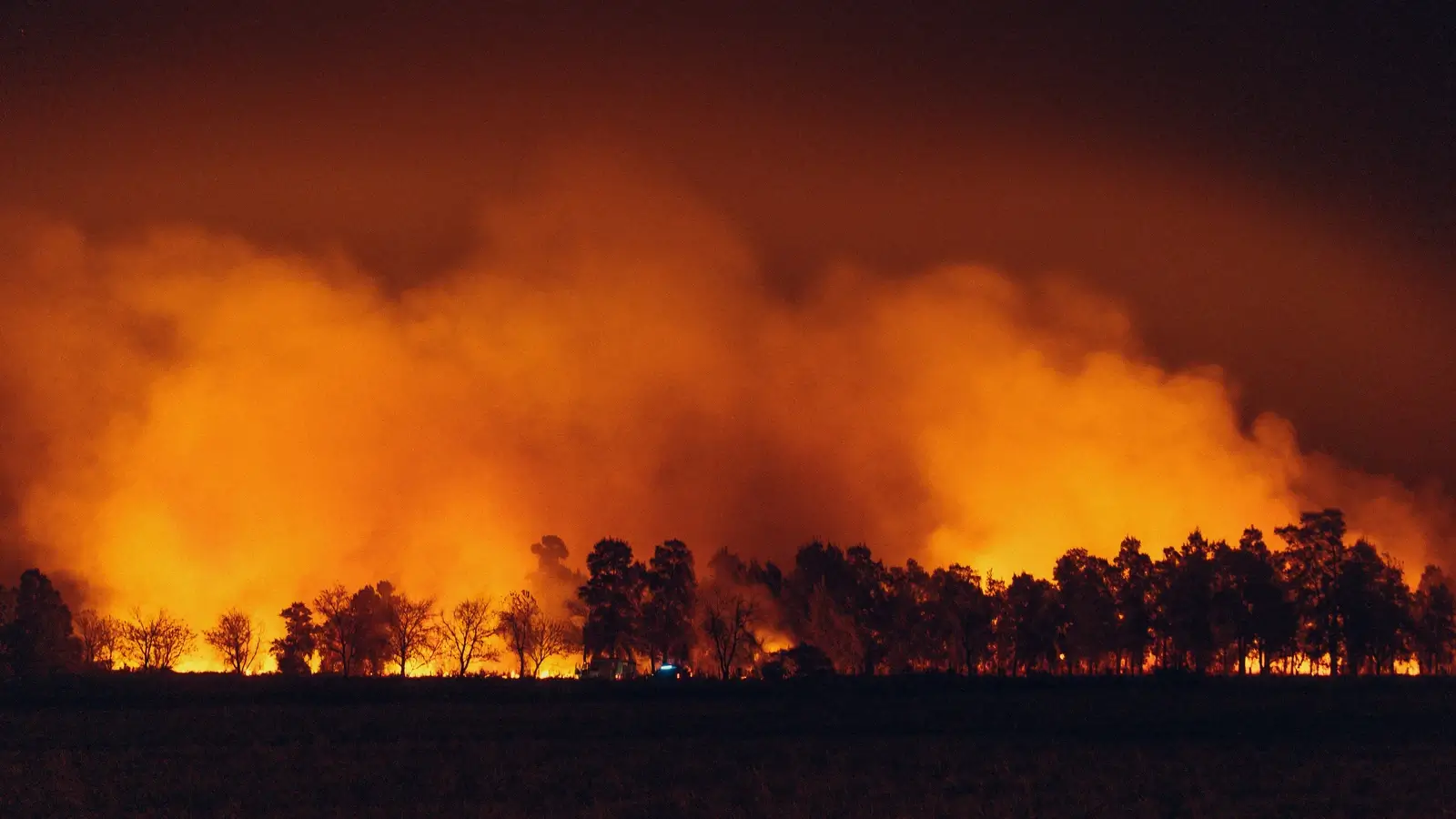
Wildfire sits in a strange place in the natural world. In many ecosystems, it is not the villain. It clears out dead vegetation, recycles nutrients, and in some cases helps certain plants reproduce. Some landscapes even depend on it. The problem starts when the conditions around fire stop behaving normally.
Heat rises. Rain patterns break. Winds strengthen. Vegetation dries out long before anyone notices. At that point, fire stops being a seasonal reset and starts acting like a system collapse. What looks like a single blaze is often a chain reaction across an entire region.
The list below covers 10 of the most devastating wildfire events in modern history. Five are global fire seasons that reshaped entire landscapes. Five are U.S. disasters that permanently changed how fire is understood, fought, and feared.
5 Devastating Wildfire Events Around the World
1. Black Summer Bushfires (Australia, 2019–2020)
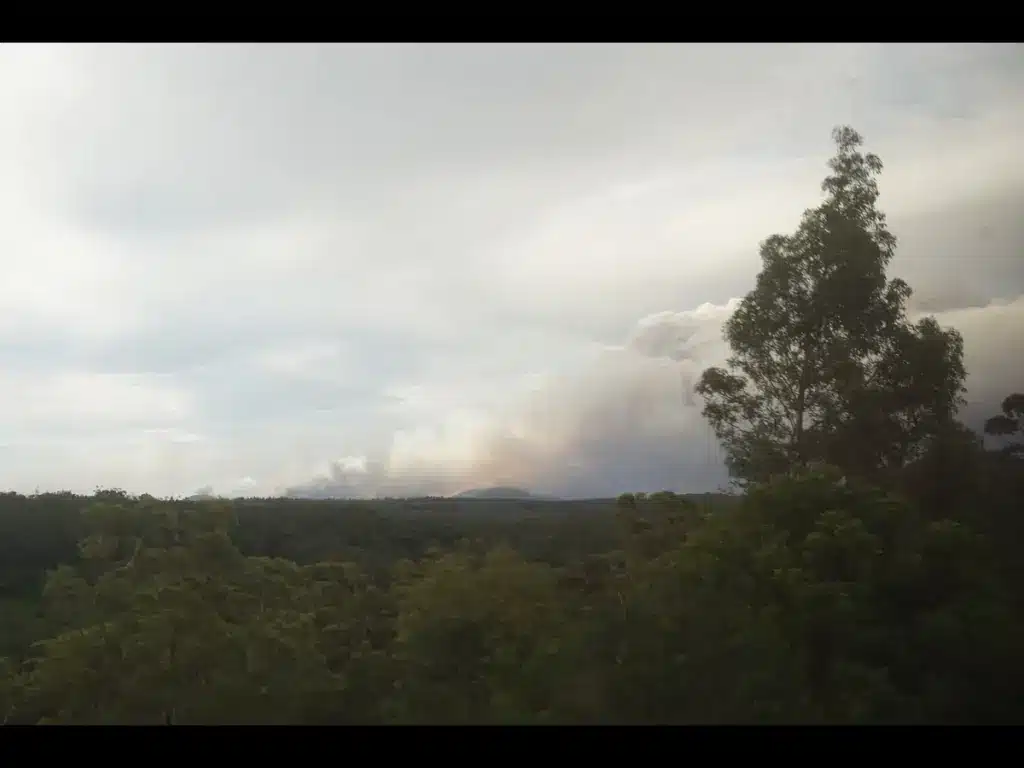
Australia’s Black Summer was not just one single disaster; it resembled more of a prolonged breakdown across an entire season. The fire’s activity lasted for months. This “Black Summer” was fueled by record-breaking heat and long-term drought that left vast areas primed to ignite and stay burning.
Nearly 19 million hectares had burned by the time its conditions improved. The ecological impact was immense. There were an estimated one billion animals that were affected. The smoke did not remain in rural areas; it spread into major cities, lingering for weeks and making everyday visibility difficult.
2. Siberian Taiga Fires (Russia, 2003)
In 2003, fire moved through the Siberian taiga on a scale that is hard to fully visualize. More than 22 million hectares burned across Russia, China, and Mongolia, with smoke columns rising high enough to be tracked across continents. Most of the region is remote, which limited direct human casualties. But the ecological footprint was enormous, stripping vast stretches of boreal forest that play a key role in global carbon storage.
3. Russian Wildfires (Russia, 2021)
The 2021 Russian wildfire season followed a familiar pattern: extreme heat, dry landscapes, and ignition sources that spread faster than response systems could keep up. Roughly 18 million hectares burned, much of it across Siberia. Some investigations pointed to human-linked causes mixed with infrastructure issues, but the larger story was the environmental setup. The land was already primed. Fire just completed the equation.
4. Canadian Wildfires (Canada, 2023)
Canada’s 2023 wildfire season became one of the clearest examples of how far smoke can travel in a connected atmosphere. More than 15 million hectares burned across multiple provinces under a mix of drought, heat, and lightning activity.
The fires did not stay contained to Canada. Smoke drifted across borders, reaching major U.S. cities and turning skies hazy hundreds of miles away. It was not just a national event. It became a continental one.
5. Black Dragon Fire (China and Russia, 1987)
The Black Dragon Fire remains, to this day, one of the most far-reaching wildfire events in East Asian history. This fire burned through China and Russia, killing nearly 200 people. It also destroyed millions of hectares, destroying vast timber resources, reshaping its forest policy in its aftermath.
5 of the Most Devastating Wildfires in U.S. History
6. Peshtigo Fire (Wisconsin, 1871)
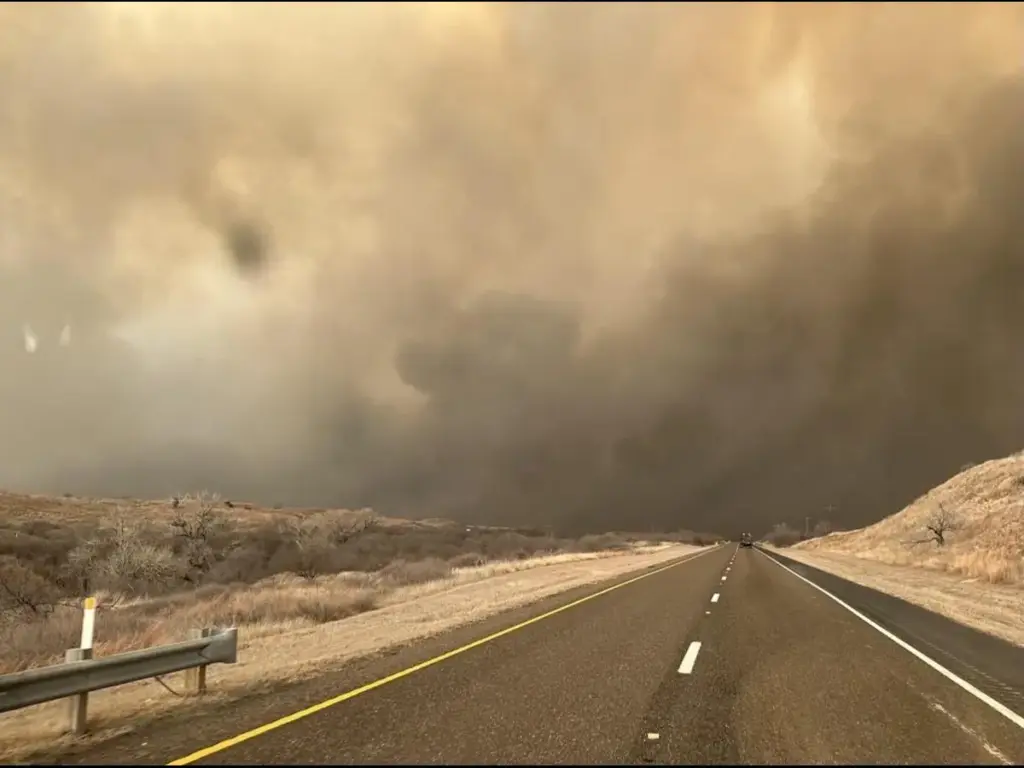
The Peshtigo Fire is the deadliest wildfire in U.S. history. It started as multiple scattered ignitions that rapidly intensified into a firestorm fueled by drought, logging debris, and powerful winds. Then, within a matter of hours, it caused between 1,500 and 2,000 deaths.
Entire communities disappeared in its path. Survivors described conditions that felt almost self-contained, with fire behavior so extreme it appeared to generate its own weather patterns and strip the air of oxygen, leaving little chance of survival even outside the direct flames.
7. Great Fire of 1910 (The Big Blowup)
Spanning Idaho, Montana, and Washington, the Great Fire of 1910 burned about 3 million acres in just two days. It remains the largest wildfire by acreage in U.S. history. The disaster killed 87 people, most of them firefighters caught in rapidly shifting wind conditions. It also reshaped national fire policy, leading to aggressive suppression strategies that influenced wildfire management for decades.
8. Camp Fire (California, 2018)
The Camp Fire destroyed the town of Paradise in less than 24 hours, killing 85 people and leveling nearly 19,000 structures. Driven by strong winds and extremely dry vegetation, the fire moved with extreme speed through Butte County.
It is California’s deadliest and most destructive wildfire in its history. The disaster also exposed vulnerabilities in evacuation planning, particularly for older residents in rural and suburban communities.
9. Western U.S. Wildfire Season (2020)
The 2020 wildfire season burned more than 10 million acres across California, Oregon, and Washington, making it one of the most widespread fire events in modern U.S. history.
A rare dry lightning storm ignited hundreds of fires at once, overwhelming firefighting resources. Entire regions were covered in smoke for weeks, with major cities experiencing some of the worst air quality ever recorded.
10. Smokehouse Creek Fire (Texas, 2024)
The Smokehouse Creek Fire became the largest wildfire in Texas history. It burned over 1 million acres across the Panhandle. Strong winds and long-term drought conditions turned open grasslands into fast-moving fuel corridors.
While human fatalities were relatively limited, the agricultural impact was severe. Ranching operations were severely affected, and thousands of cattle were lost. This fire brought attention to how quickly fire can reshape working landscapes even without dense urban exposure.
Additional News From Total Apex Herald
- Stunning 15-Term Defeat: Melat Kiros Ousts Diana DeGette in Colorado Democratic Primary
- U.S. Wildfires Surge to Level 4 Alert Ahead of July 4 as Holiday Risk Intensifies
What Do History’s Worst Wildfires Have in Common?
Across continents and centuries, the same patterns appear again and again. Severe drought often sets the stage long before a single flame appears, drying vegetation into highly flammable fuel. When ignition finally occurs, wind becomes the accelerant that determines how quickly a fire spreads and how far it can travel.
But the story does not end with weather alone. Human activity, land management practices, and infrastructure failures frequently intersect with natural conditions, turning manageable fires into large-scale disasters. Logging debris, power lines, and prescribed burns gone wrong all appear repeatedly in the historical record.
There is also a structural pattern: many of the worst fires escalate through convergence. Small fires merge, weather systems intensify them, and emergency response becomes overwhelmed by speed rather than size alone. In the end, the defining feature of these disasters is not just how they start, but how multiple systems align at the wrong moment.
