
U.S. Wildfires Surge to Level 4 Alert Ahead of July 4 as Holiday Risk Intensifies
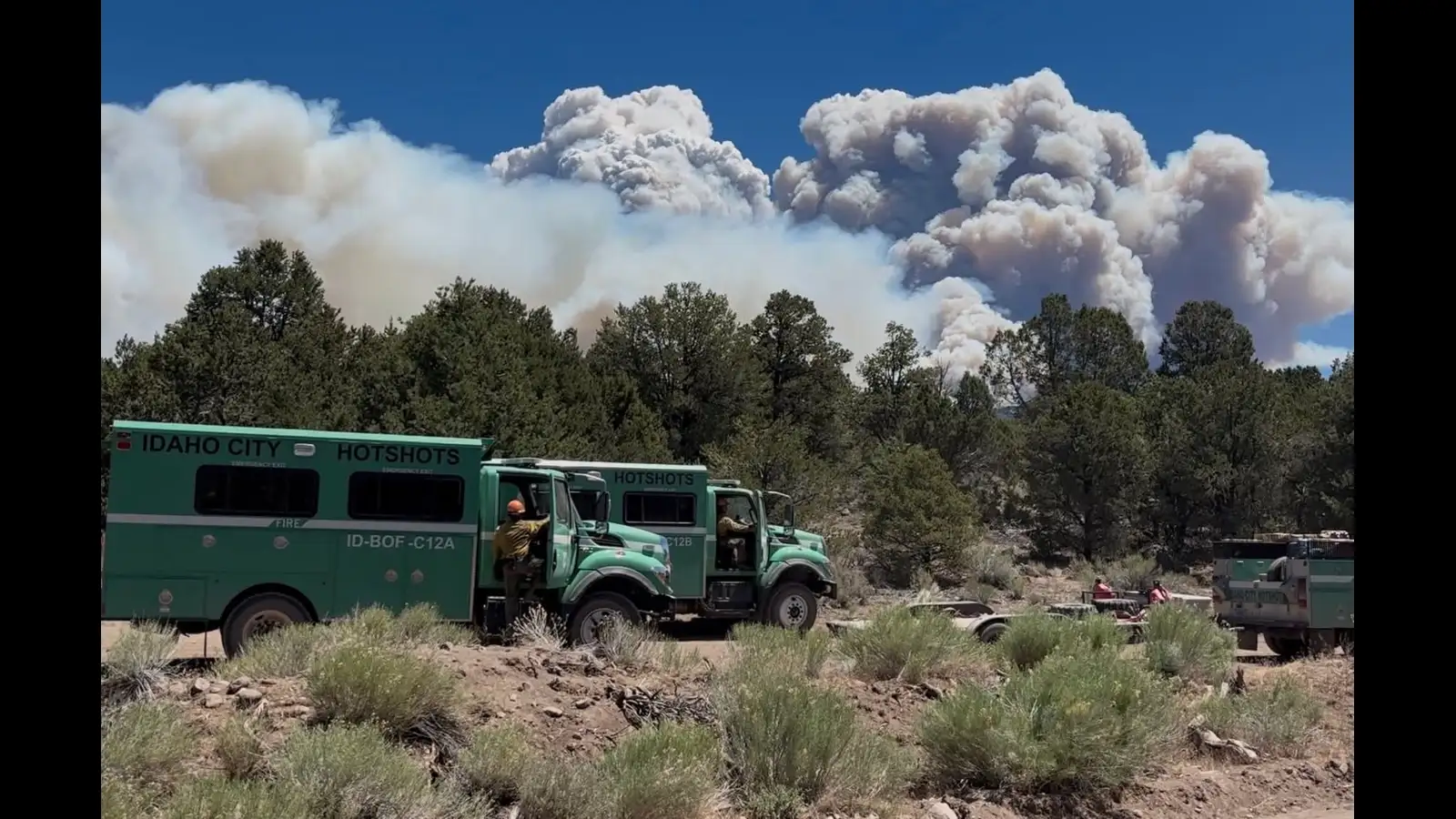
As the United States enters the first days of July, wildfire activity is accelerating across multiple regions, with federal officials warning that the system is under significant strain heading into the Fourth of July holiday weekend.
The National Interagency Fire Center (NIFC) reported that the National Preparedness Level remains at 4 out of 5. This means that there is a very high demand for firefighting resources nationwide. The designation reflects widespread fire activity, competing incidents across regions, and limited flexibility in moving crews and equipment.
The NIFC reports 257 new fires on June 30, including three new large incidents. Nationwide, firefighters are currently working to contain 51 uncontained large fires while more than 9,000 personnel remain assigned to active operations. Total wildfire acreage across active incidents has reached more than 552,000 acres.
Hot, Dry and Windy Conditions Drive Fire Growth
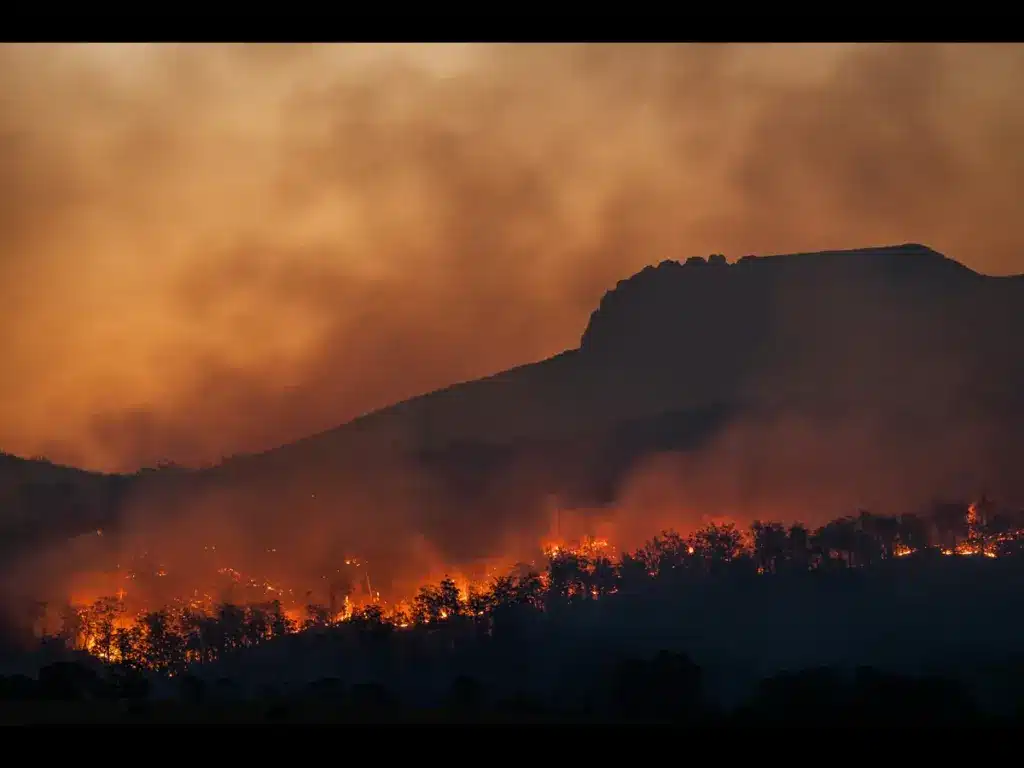
Fire behavior continues to be shaped by persistent hot, dry and windy conditions across the Great Basin, Rocky Mountains and Southwest. The National Interagency Coordination Center (NICC) issued a new Fuels and Fire Behavior Advisory for Colorado and southern Wyoming, warning of critically dry fuels and elevated fire potential.
Similar advisories remain in place across eastern Nevada, the Arizona Strip, and much of Utah, where vegetation conditions are unusually dry for early summer. Weather conditions are expected to further intensify risk, with southwest winds reaching up to 45 mph in some areas and relative humidity dropping as low as 3 percent. Dry thunderstorms are also forecast across parts of New Mexico, increasing the risk of new lightning-caused ignitions.
Major Wildfires Span Multiple States
Active fire reports show incidents across at least 12 states, with the highest concentration in Alaska, Utah, Arizona, Colorado, Nevada, and New Mexico. Utah remains the most heavily impacted state by acreage, driven in part by the Cottonwood Fire near Beaver, which is currently the largest active wildfire in the country.
Other state-level activity includes:
- Alaska: 15 fires across 13,872 acres
- Colorado: 6 fires across 65,518 acres
- Nevada: 4 fires across 47,422 acres
- Arizona: 6 fires across 30,656 acres
- Florida: 3 fires across 11,230 acres
No large fires are currently reported as fully contained.
July 4 Raises Concern Over Human-Caused Ignitions
Fire officials are increasingly focused on the approaching Independence Day holiday, historically one of the most active periods for human-caused wildfire starts. Fireworks, campfires and outdoor recreation significantly increase ignition risk, especially under dry and windy conditions.
Officials caution that even small sparks can trigger rapid fire spread in high-risk areas. Year-to-date data shows more than 36,000 fires have already occurred in 2026, burning more than 3.1 million acres nationwide.
Preparedness and National Response
This week also marks the National Wildland Fire Week of Remembrance, honoring firefighters who have died in the line of duty and highlighting lessons from past fire seasons. Federal agencies report that more than 9,000 personnel are currently deployed nationwide, with coordinated suppression efforts underway across multiple geographic areas.
Despite this response, officials warn that shifting weather, lightning activity, and holiday-related human behavior could rapidly change fire conditions.
Outlook for the Holiday Weekend
While parts of the country are seeing cooler or wetter conditions, large portions of the West remain under elevated to critical fire risk heading into July 4. Fire managers are urging the public to check local restrictions, avoid fireworks in high-risk areas, and ensure all outdoor fires are fully extinguished.
Officials say the combination of dry fuels, strong winds, and increased human activity creates a “critical overlap” of risk during the holiday period.
Additional News From Total Apex Herald
- Stunning 15-Term Defeat: Melat Kiros Ousts Diana DeGette in Colorado Democratic Primary
- 10 of the Most Devastating Wildfires in History: From Global Firestorms to America’s Deadliest Blazes
Frequently Asked Questions
What does Preparedness Level 4 mean?
It indicates very high wildfire activity and significant strain on national firefighting resources.
How many fires are currently burning in the U.S.?
There are 51 uncontained large fires and hundreds of active incidents nationwide.
Which states are most affected?
Alaska, Utah, Arizona, Colorado, Nevada, and New Mexico currently show the highest activity.
Why is July 4 a wildfire concern?
Fireworks, campfires, and outdoor activity increase ignition risk during already dry and windy conditions.
Are restrictions in place?
Yes, many states and local jurisdictions have burn bans or fireworks restrictions depending on fire danger levels.
