
Ebola Airport Screening Expansion Triggers Urgent New U.S. Travel Restrictions for International Passengers
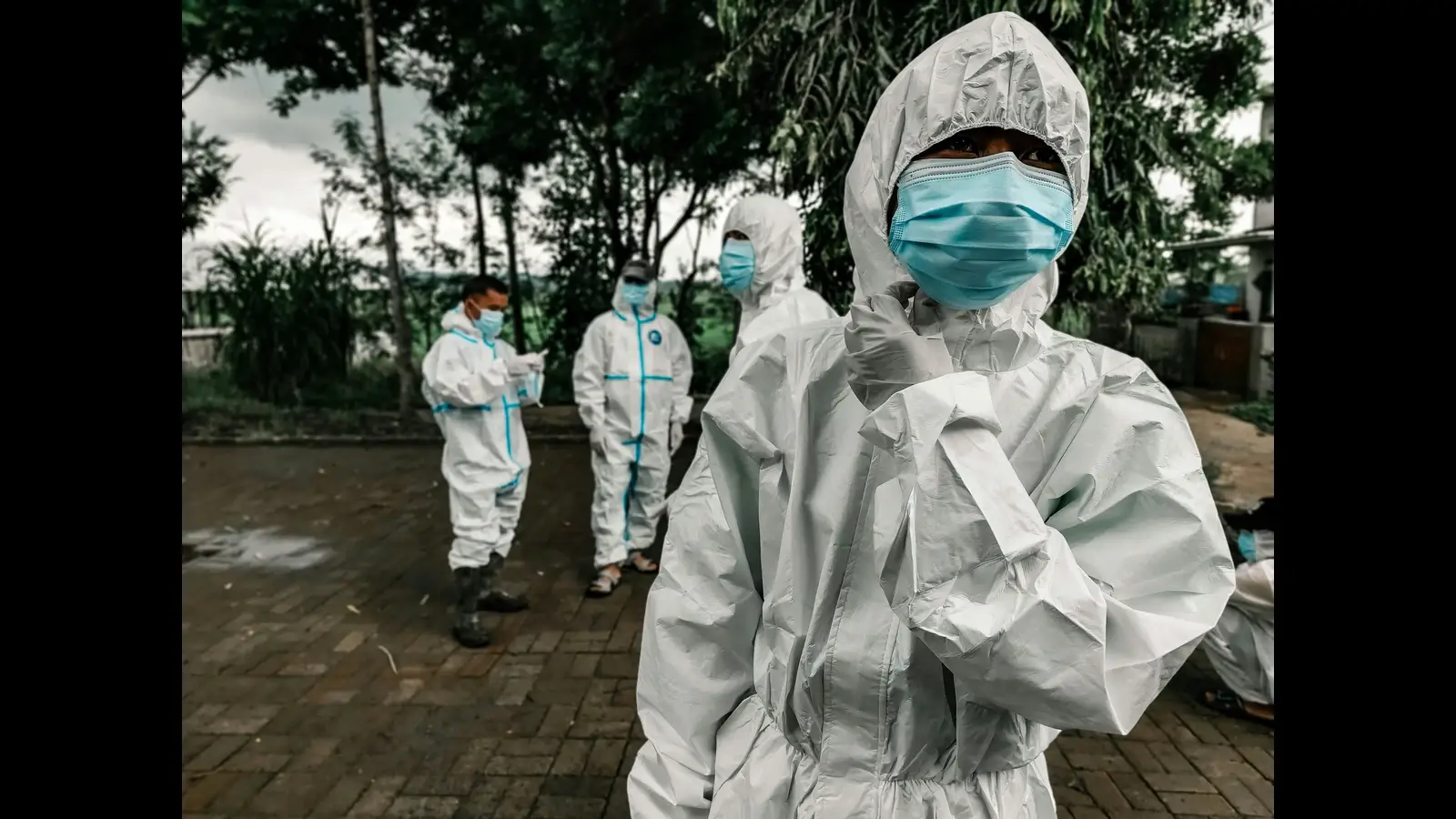
The federal government is rapidly expanding Ebola airport screening measures as health officials respond to a growing outbreak in Central and East Africa. Travelers entering the United States after visiting Uganda, the Democratic Republic of the Congo or South Sudan are now facing mandatory rerouting, airport health checks and possible monitoring by state health departments. The move marks one of the most aggressive U.S. travel health responses since the COVID-19 era, and it is already causing confusion for passengers mid-trip.
A new Centers for Disease Control and Prevention policy now requires American citizens and permanent residents who visited those countries within the past 21 days to enter the U.S. only through designated airports. Washington Dulles International Airport was the first to implement the emergency screening procedures, while Atlanta’s Hartsfield-Jackson International Airport officially joined the program Friday night. Houston’s George Bush Intercontinental Airport is expected to begin screenings next week.
Ebola Airport Screening Measures Expand as WHO Declares Emergency
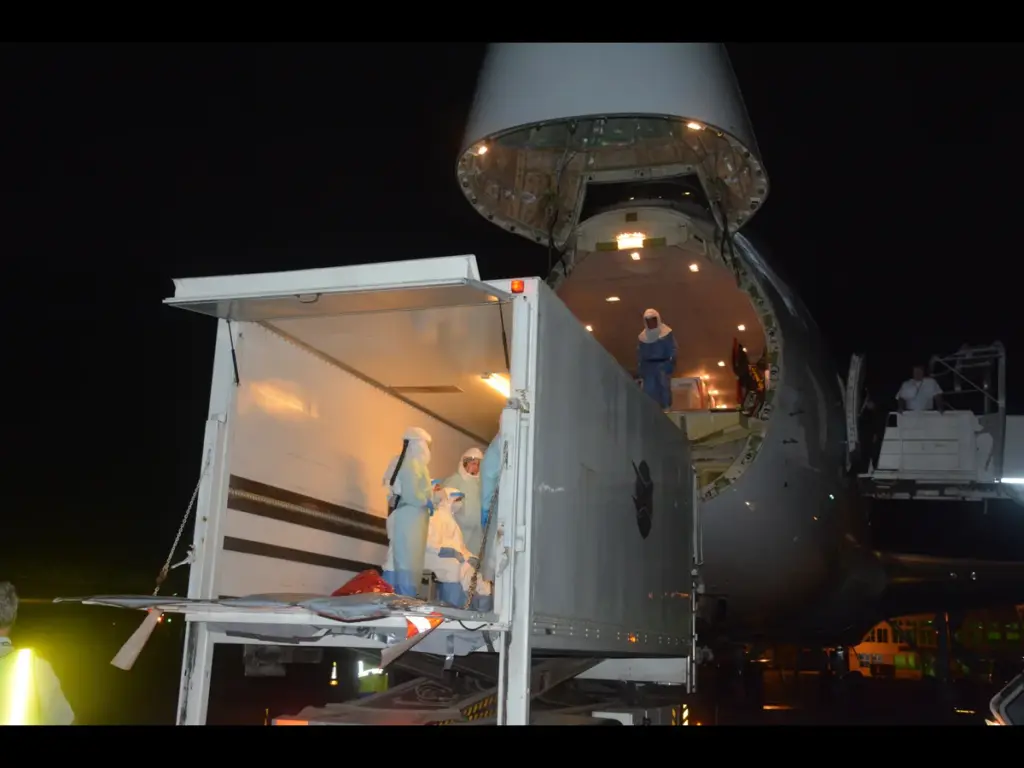
The new restrictions come after the World Health Organization declared the growing Ebola outbreak a public health emergency of international concern on May 17. According to WHO figures, the outbreak has already resulted in roughly 800 suspected cases and more than 180 suspected deaths. Health officials remain particularly concerned because the outbreak involves a rare Ebola strain that currently has no approved vaccine.
The CDC’s response centers heavily on controlling travel entry points. Under the emergency policy, most foreign nationals who recently traveled through affected countries are barred from entering the United States altogether. Permanent residents may still be allowed entry after review, while U.S. citizens are guaranteed admission through designated screening airports. That policy shift immediately disrupted travel plans for passengers already in transit.
Medical student and freelance reporter Michal Ruprecht described learning about the new rules while checking in for his return flight at Uganda’s Entebbe International Airport. Originally scheduled to fly home to Michigan through another route, Ruprecht said airline staff informed him he had to reroute through Washington Dulles because of the new Ebola screening order.
After roughly 20 hours of travel, Ruprecht arrived at Dulles and underwent CDC screening inside temporary medical stations set up within the airport. Officials checked his temperature multiple times, questioned him about potential Ebola exposure and collected his contact information before clearing him to continue traveling. The screening itself reportedly lasted less than 10 minutes, though the sudden rerouting highlights how quickly international travel policies can change during infectious disease emergencies.
Travelers Face Flight Changes and Health Monitoring
Federal agencies are warning travelers to prepare for sudden flight changes, rerouting issues, or cancellations connected to the evolving Ebola response. Passengers who recently visited Uganda, the Democratic Republic of the Congo, or South Sudan are being advised to contact airlines immediately to confirm their routing and eligibility to enter the United States.
The CDC also says state health departments may conduct additional follow-up monitoring after travelers arrive at their final destinations. Depending on a traveler’s exposure risk, some individuals may receive daily health check-ins during the virus incubation period.
Virginia state epidemiologist Dr. Laurie Forlano acknowledged the system is resource-intensive, especially as health departments continue handling other outbreaks, including measles and hantavirus monitoring. That growing workload has sparked broader questions about whether the nation’s public health infrastructure is fully prepared for another large-scale infectious disease response.
Dr. Jeanne Marrazzo, former acting director of the National Institute of Allergy and Infectious Diseases and current CEO of the Infectious Diseases Society of America, warned this week that state and local public health staffing has been significantly weakened over the past several years. That concern matters because airport screening alone may not stop the spread of Ebola.
Public Health Experts Question Whether Travel Bans Alone Work
Several infectious disease experts argue that travel restrictions and airport screenings offer only limited protection if they are not paired with aggressive outbreak containment efforts overseas. Dr. Marty Cetron, the former head of the CDC’s Division of Global Migration and Quarantine, said travel bans “rarely work in and of themselves” because desperate travelers often find alternate routes.
During the 2014-2016 West African Ebola epidemic, the United States avoided imposing outright travel bans. Instead, health officials relied more heavily on traveler education, contact tracing and daily monitoring after arrival. This time, the federal government appears to be taking a harder line much earlier in the outbreak.
The CDC currently has several dozen personnel deployed across affected African regions, though the U.S. response remains far smaller than the major international mobilization seen during the 2014-2016 Ebola crisis, when thousands of American military, CDC and USAID personnel assisted containment efforts.
Public health officials continue stressing that the most effective strategy remains stopping the outbreak at its source rather than relying solely on border screening. Pathogens, as experts repeatedly point out, do not respect national borders. That reality tends to make airport screening feel both necessary and imperfect at the exact same time.
What Travelers Should Know Right Now
Travelers who recently visited Ebola-affected countries should expect:
- Mandatory rerouting through Washington Dulles, Atlanta, or Houston
- Additional CDC health screenings upon arrival
- Possible follow-up monitoring from state health departments
- Potential flight changes or cancellations with little notice
Officials also recommend enrolling in the State Department’s Smart Traveler Enrollment Program for emergency travel updates and alerts.
FAQ
Which countries are affected by the new Ebola travel restrictions?
The restrictions currently apply to travelers who visited Uganda, the Democratic Republic of the Congo, or South Sudan within the last 21 days.
Which U.S. airports are conducting Ebola screenings?
Washington Dulles International Airport, Hartsfield-Jackson Atlanta International Airport and George Bush Intercontinental Airport in Houston.
Are U.S. citizens banned from entering the country?
No. U.S. citizens can still enter the country, but must route through designated screening airports.
What happens during Ebola airport screening?
Travelers may receive temperature checks, health questionnaires, exposure assessments and follow-up monitoring instructions from health officials.
