
Shocking $24 Billion Demand: Iran Issues Hardline Ultimatum in Multi-Front Crisis
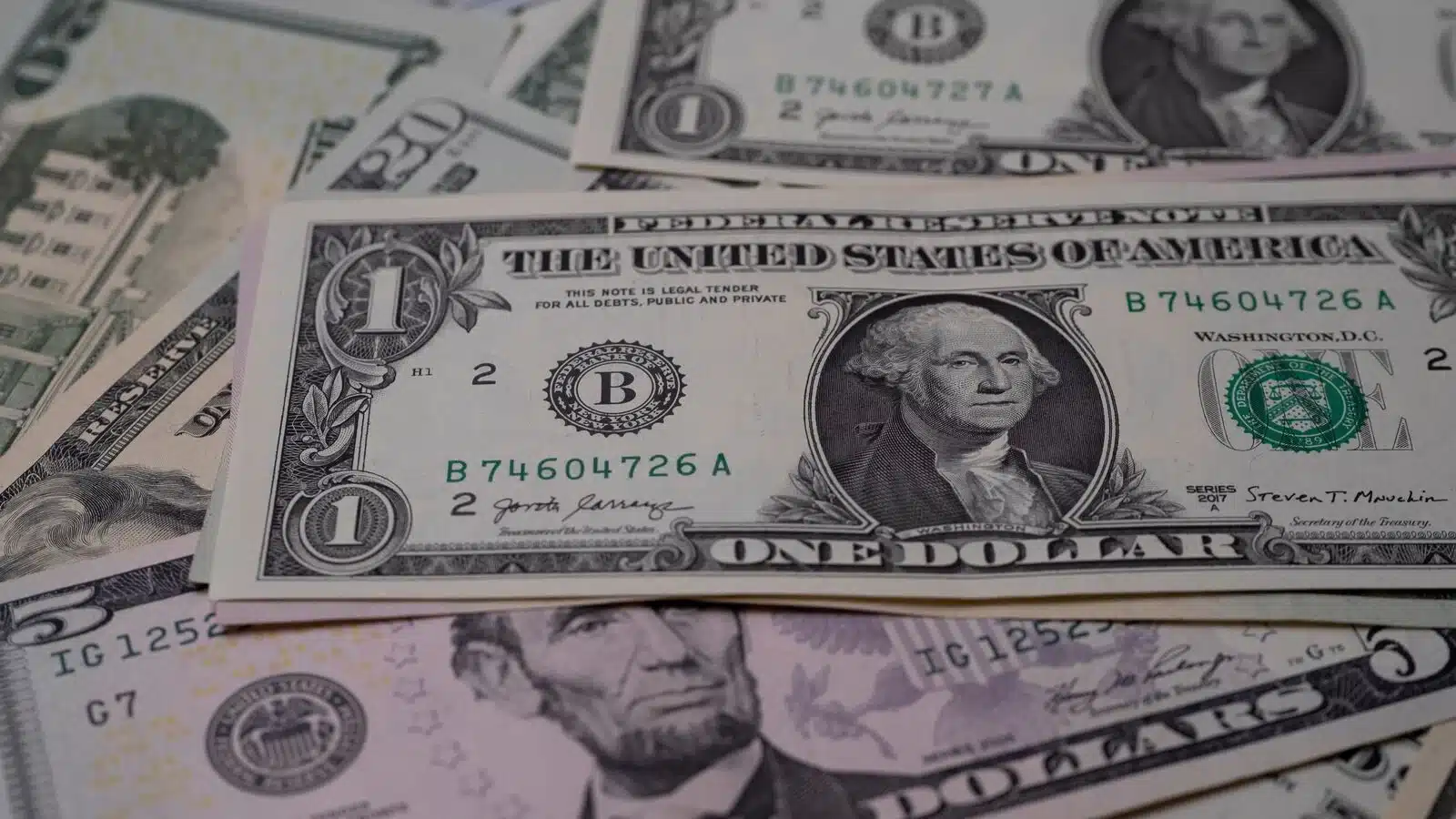
From southern Lebanon to the Persian Gulf and Baghdad, Iran and its allied military groups are mounting coordinated opposition to United States-mediated security negotiations. The situation remains tense despite Lebanese President Joseph Aoun’s warning that the recent framework offered the last opportunity for a lasting ceasefire, while Israeli Ambassador Yechiel Leiter has stated that any diplomatic process must start with Hezbollah’s full disarmament. With its assets frozen, Iran is pushing hard to regain access to $24 billion in funds.
Hardline Preconditions: Asset Disputes and Maritime Interference
According to reports from Defa Press, cited by the Institute for the Study of War (ISW), Iranian officials and media continued to demand immediate economic relief and concessions from the United States ahead of any potential negotiations on June 6, 2026. The Iranian-run outlet Defa Press argued that any future agreement must guarantee tangible economic compensation and impose a high cost on Washington if it chooses to withdraw. Brigadier General Esmail Kowsari echoed this push for leverage, saying Iran has consistently placed financial compensation at the center of its negotiations.
On June 5, 2026, Major General Mohsen Rezaei told CNN that any final peace deal depends on the United States releasing $24 billion in frozen Iranian assets. The ISW cited Fars News reporting from May that former IRGC Commander Mohammad Ali Jafari called for lifting active sanctions and recognizing Iran’s sovereignty over the Strait of Hormuz. Together, these demands show Iran’s focus on securing financial and economic concessions while keeping nuclear issues off the table.
On June 5, 2026, the ISW cited Tasnim News reporting that the IRGC Public Relations Office claimed four commercial oil tankers tried to bypass its transit rules under U.S. military direction. Iranian state media Mehr News reported that forces targeted one commercial vessel with weapons and fired warning shots at United States ships near Larak Island. The ISW noted United States Central Command (CENTCOM) shared on X that it responded by shooting down four Iranian drones targeting international maritime traffic and executing retaliatory strikes against Iranian surveillance radar sites on Qeshm Island and in Goruk.
Diplomatic Friction: Rejected Leverage and Escalating Missiles
On June 6, 2026, the ISW cited a post on X by Iranian Foreign Affairs Minister Abbas Araghchi where he publicly rejected accusations from Lebanese President Joseph Aoun and Prime Minister Nawaf Salam that Iran was using Lebanon as a bargaining chip. Previous reporting indicates that Iranian officials have repeatedly suspended broader negotiations until a complete ceasefire is achieved in Lebanon. The ISW recorded messages from IRGC-affiliated Mehr News, which maintained that Iran views the security of Lebanon and Iran as absolutely linked.
A Bloomberg report on June 6, 2026, revealed that United States officials are considering using frozen Iranian funds to help Gulf allies repair infrastructure damage caused by Iranian aggression. According to a Tasnim News Telegram post cited by the ISW, Iranian Deputy Foreign Affairs Minister Kazem Gharibabadi countered on June 7, 2026, stating that Gulf states cooperating with United States forces are not legally positioned to claim any damages. Gharibabadi firmly added that Iran’s assets are not plunder or an accessible fund intended to pay neighboring Gulf states.
Iranian forces launched several ballistic missiles directly targeting United States military bases in Bahrain and Kuwait on June 5, 2026. The ISW cited posts on X from regional defense commands confirming that local defensive systems successfully mitigated the threat, with Kuwaiti forces intercepting seven missiles and Bahraini forces destroying three missiles along with several attack drones. This coordinated defensive outcome prevented any infrastructure destruction at the installations, and local authorities confirmed that no casualties were reported.
Tactical Escalation and Financial Compensation
Reports from the Fars News Telegram channel, cited by the ISW on June 7, 2026, said Iranian networks continued using a cryptocurrency scheme and other financial tools to pressure maritime traffic. The cyber‑linked fees targeted international shipping firms as a way to work around existing financial limits. The ISW also noted a New York Times report describing uncertainty over which vessels were affected, while unnamed officials said U.S. forces coordinated the passage of more than 100 ships through international waters over the past month.
On June 7, 2026, the ISW highlighted Defa Press reporting that IRGC ground units clashed with a group of anti‑regime fighters trying to cross into Iran near Saravan in Sistan and Baluchestan Province. The firefight left four of the fighters dead along with one member of the IRGC border patrol. Following the clash, Iranian security forces seized a significant stockpile of weapons, munitions, and electronic communication equipment.
Significant Regional Escalations
Military operations carried out between June 6, 2026, and June 7, 2026, according to reports posted to X and cited by the ISW, confirmed that Lebanese Hezbollah militants initiated escalations by firing a salvo of rockets targeting northern Israel. The Israel Defense Forces (IDF) confirmed intercepting four Hezbollah drones, then conducted a series of heavy airstrikes targeting military infrastructure across the region. The ISW cited Israeli outlet Mako, reporting that Prime Minister Benjamin Netanyahu held a security discussion in response to threats from Iran.
Iran launched a wave of retaliatory strikes on June 7, 2026, directly targeting Israeli territory. The ISW noted that Mehr News heavily promoted the launch of attack drones and precision missiles aimed at specific defense sites. The ISW also highlighted IRGC statements on X confirming that about ten missiles were fired at the Ramat David Airbase in northern Israel.
The ISW cited posts on X from June 6, 2026, confirming that an IDF strike hit a Lebanese Armed Forces (LAF) vehicle on a road between Kfar Tebnit and Khardali. The attack killed three Lebanese soldiers, including an LAF brigadier general. Lebanese President Joseph Aoun and Prime Minister Nawaf Salam posted statements on X condemning the strike as a violation of Lebanese sovereignty during ongoing negotiations in Washington.
Axios reported that President Donald Trump signaled he intended to speak directly with Israeli Prime Minister Benjamin Netanyahu. The ISW noted that Trump told the outlet both Israel and Iran had carried out their strikes and said further escalation was unnecessary. He warned that if Netanyahu continued his aggressive posture, the United States would leave Israel to manage the conflict on its own.
