
US and Iran: The Recent Proposal – Why They Are Desperate For War To End
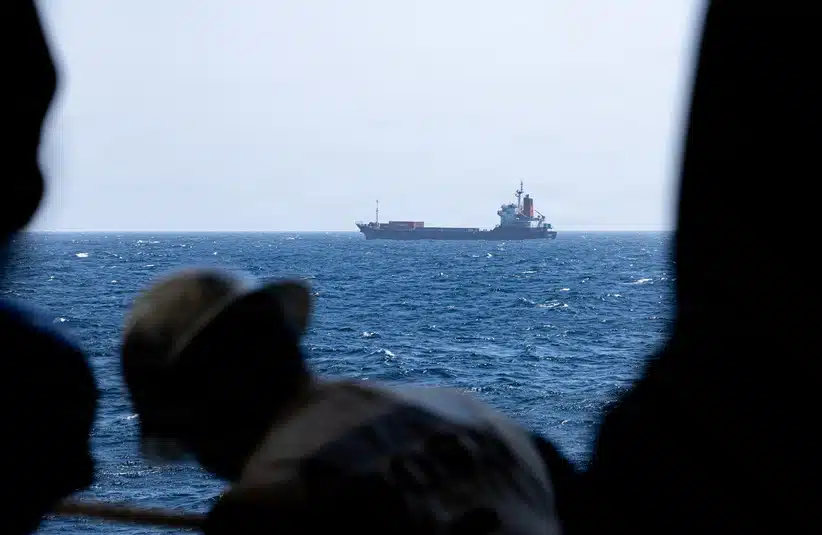
Coverage from April 23-26, 2026, showcased fragile diplomacy with escalating military pressures on all sides. Though a 21-day ceasefire extension was agreed upon between Israel and Lebanon, Hezbollah continued its tactical strikes, feeling IDF’s continued occupation of Lebanon justified their response. With the naval blockade redirecting over 30 vessels, the US was effectively pushing oil storage capacity and causing struggles for Iran as the war continued.
The cancellation of the US envoy to Pakistan led President Donald Trump to announce that he had received a proposal, with no further remarks. He added that if Iran wants to talk, there is always someone who will answer the phone. Hezbollah’s first-person view (FPV) drones had been used throughout the weekend as the IDF maintained what was seen as a cautionary position to defend the Israeli communities.
Iran’s Proposal Sequitur: Refusal On The Horizon
The US Press Secretary, Karoline Leavitt, held a press conference on April 27, 2026, confirming that there had been discussions regarding the proposed Iran deal. It is a proposal of mutual reopening in the Strait of Hormuz, while leaving nuclear negotiations for a later date. One of President Donald Trump’s focuses is the reopening of the Strait. The Institute for the Study of War (ISW) highlights that the deal may be a non-starter due to the clear demand for the removal of Iran’s highly enriched uranium. Iranian Foreign Affairs Minister Abbas Araghchi has already said to mediators in Pakistan, Egypt, Turkey, and Qatar that there is no consensus reached by Iran’s leaders on how to address the United States demands.
Due to the naval blockade of Iranian ports, Iran has been storing oil in disused oil tanks that are in poor condition. Spokesperson for Iran’s oil exports union, Hamid Hosseini, said Iran is attempting to send oil to China by rail. This isn’t an effective method of transport and is considered less profitable than maritime transport. As Iran prepares for the possibility of a resumption of conflict with the United States and Israel, Araghchi had a strategic meeting with Russian President Vladimir Putin. Russia has assisted Iranian strikes throughout the war by providing satellite imagery of the US, the Gulf, and Turkish military operations.
Hezbollah’s Primary Proposal: Cease Talks With Israel
Iranian state media claimed that the Islamic Revolutionary Guards Corps (IRGC) Ground Forces Imam Sajjad Unit in Bandar Abbas, Hormozgan Province, neutralised over 15 American missiles. As of April 27, 2026, the report claims to have neutralised or destroyed over 60 missiles, drones, and bunker buster munitions since the war started on Feb. 28, 2026. ISW states numbers as unverified at the time of reporting; they assessed that it is plausible that Iranian forces may attempt to reverse engineer what they have recovered. Iran has reportedly banned exporting steel slabs and sheets until May 30, potentially due to major producers being struck and the military’s need for what remains of current steel stockpiles.
Hezbollah Secretary General Naim Qassem made a written statement on April 27, 2026, stating that the ceasefire and peace talks do not exist for their faction and don’t concern them. Qassem called for the Lebanese government to cease negotiations until preconditions are met: a full ceasefire, Israel must withdraw from southern Lebanon, release prisoners kept in Israel, return southern Lebanese homes to the civilians, and reconstruction. The ISW posits that Qassem fears a renewal of Lebanese efforts to disarm Hezbollah due to it being an objective that both Israel and the Lebanese governments share.
President Joseph Aoun was quoted from the Lebanese Presidential X account saying: “What we are doing is not treason; rather, treason is committed by those who take their country to war to achieve foreign interests.” There were reports that the Lebanese army was posted outside Lebanese negotiator Simon Karam’s house in Beirut, which may mean the Lebanese government is concerned about possible threats.
Locked Out: Economic Damage
The live updates on the war at Associated Press (AP) were finalised at 8:58 p.m. EDT on April 28, 2026. Under Secretary of State for Political Affairs Allison Hooker spoke at a gathering in Croatia, saying the lockdown of the Strait of Hormuz should serve as a wake-up call to the rest of the world about the dependence on the Strait for energy in industrial and residential usage. United Nations General Assembly President Annalena Baerbock urged a ceasefire and clearing blockades in the Strait of Hormuz, citing that the lockdown has increased oil and fertiliser prices worldwide during her visit on Tuesday to New Delhi.
Iranians are facing economic damage as strikes knocked out steel and petrochemical production, resulting in prices for metals and plastics rising, which will continue to worsen as the blockade holds. President Donald Trump stated on social media that Iran wants the Strait of Hormuz open while they navigate their leadership situation. The United Arab Emirates publicly announced its intent to leave OPEC effective May 1, 2026, something rumoured to happen due to foreign policy being less in line with Saudi Arabia’s challenges to the Emirates.
The Gulf Condemnation: Preaching of Peace
Several leaders from Gulf nations held a Gulf Cooperation Council meeting in Saudi Arabia, calling for the restoration of security and freedom of navigation to prewar conditions. AP said they are urging military integration and joint infrastructure projects, condemning Iran’s closure of the Strait with threats and fees on vessel navigation. Pakistan Prime Minister Shehbaz Sharif briefed New Zealand Prime Minister Christopher Luxon over the phone on Tuesday about Pakistan’s diplomatic efforts for regional peace and de-escalation. UN Secretary-General António Guterres conveyed both the international community’s and the United Nations support for Pakistan’s efforts to negotiate peace and stability with Pakistan’s Foreign Minister Ishaq Dar.
Ambassador Danny Danon said before the UN Security Council that peace with Lebanon will require Hezbollah to be disarmed, and the Lebanese government must step forward to deal with the militant group. The Israeli military requested that residents from 16 southern Lebanese villages evacuate, stating concern over Hezbollah using communities to launch attacks on the IDF in southern Lebanon. Shortly after, Lebanon’s state-run news reports said airstrikes hit the villages of Chakra, Kafra, and Tebnine, with one drone strike also hitting a motorcycle in the village of Mansouri. Israeli Foreign Minister Gideon Saar acknowledges negotiations with Lebanon to be important, but the Lebanese government must restore its sovereignty from Iranian control.
