
Memorandum of Understanding Tested by Strait of Hormuz Friction and Fighting in Southern Lebanon
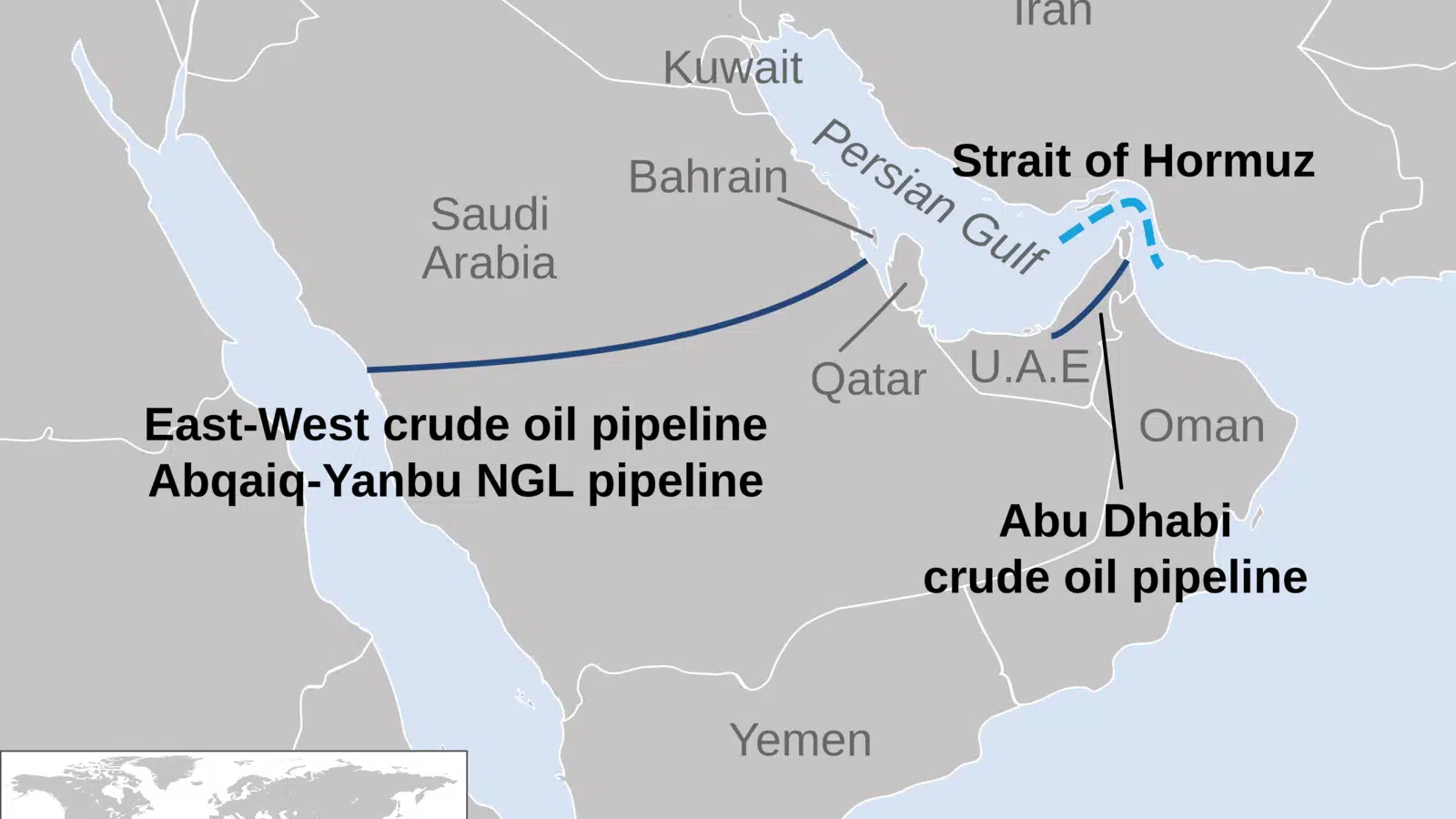
With the language of the Memorandum of Understanding between the United States and Iran largely agreed upon, the initial signing was set for June 19, 2026. However, after rumors and leaks, the United States and Iran formally signed the long‑anticipated Memorandum of Understanding on June 17, solidifying the 14‑point framework. The Strait of Hormuz is promised to open, but border skirmishes may threaten that reality.
Clauses, Strait of Hormuz Controls, and Potential Pull-Back
On June 17, 2026, the Institute for the Study of War (ISW) stated that President Donald Trump signed the Memorandum of Understanding, referencing a video released by The White House account on X and Axios’ reporting that both the United States and Iran had signed the agreement. Citing the Tasnim News and Fars News Telegram channels, the ISW added that Iran affirmed the final agreement addressed key items related to the Strait of Hormuz and Lebanon. Based on reports from CNN, the New York Times, Axios, and others, the ISW noted that United States officials briefed Western media on the agreement before both had signed.
Outlets such as Axios, Bloomberg, and Fars News confirmed previous rumors, according to the ISW, about the contents of the Memorandum of Understanding, with only minor alterations since the leaks on June 14, 2026. The ISW noted from CNN, the New York Times, and Bloomberg that the changes added guaranteed sovereignty and preserved Lebanon’s national boundaries to Clause 1, with Clause 5 adding unhindered movement of commercial vessels without charge and maritime administrative services to be defined by Omani-Iranian dialogue decided at their discretion.
The ISW added, citing Fars News, that Iran had pushed during negotiations to include the sovereignty and territorial‑integrity language related to Lebanon, which Iranian officials now argue requires the Israel Defense Forces (IDF) to withdraw from southern Lebanon and halt all operations for the Memorandum of Understanding to take effect. Tasnim News Telegram channel, cited by the ISW, linked the agreement to military operations in Lebanon, arguing that the Strait of Hormuz should not reopen until hostilities are ended on June 18, 2026. Tasnim News also warned that negotiations could collapse, the strait could see restrictions again, or Iran may respond with force if the agreement is not followed explicitly.
The ISW cited a Fars News Telegram post on June 18, 2026, stating that Iranian parliamentarian Saeed Ajorlou noted that Clause 5 of the agreement prohibits fee collection for the initial 60 days, implying that services rendered may incur a fee after the time elapses.
Applied Pressure: Critical Moments
The ISW cited a Press TV report claiming that Iranian First Vice President Mohammad Reza Aref said on June 16, 2026, that Iran would control the strategic Strait of Hormuz and that those using the strait should pay for the upkeep necessary for safe navigation. The ISW also cited a release from The National News, in which a member revealed on June 16, 2026, that Iran told Hezbollah that part of the deal between the United States and Iran hinged on Israel, with the IDF to withdraw from Lebanon over a phased 60-day period.
The ISW noted that the Khatam ol Anbia Central Headquarters, through the Tasnim News Telegram channel, had warned Israel that Iran would respond if the IDF failed to stop operating in southern Lebanon. The ISW recorded an X post by Press TV reporting that ships were still waiting within the international waterway because the Islamic Revolutionary Guards Corps (IRGC) had not yet approved movement. Citing NBC News, the ISW reported that, on June 16, 2026, unspecified United States officials said that IRGC drones fired at commercial ships in the Strait of Hormuz had been intercepted by the United States military since the agreement’s announcement on June 14, 2026.
The ISW assessed, based on Axios reporting, that Iran may interpret President Donald Trump’s June 18, 2026, Truth Social post calling for a complete ceasefire on all fronts as an indication that the United States seeks to limit Israeli operations in Lebanon. The ISW noted an X post by the IDF on June 18, 2026, stating that military operations would remain in the security zone of southern Lebanon to maintain the safety of Israeli residents in northern Israel from Hezbollah threats. According to a Reuters report, two Israeli officials said that Israel sought approval from the United States to continue holding the Yellow Line.
The ISW cited a post on X by N12 on June 18, 2026, stating that Israeli Prime Minister Benjamin Netanyahu informed President Donald Trump that Israel would remain in southern Lebanon as long as Israel’s safety was in question.
Political Backlash and Economic Messaging Intensify
The ISW cited sources on X and an interview video about statements from Parliamentary National Security and Foreign Policy Commission spokesperson Ebrahim Rezaei, who called the agreement imbalanced on June 17, 2026, saying Iran’s red lines were not being observed. Furthermore, Rezaei said those against the agreement aren’t traitors or against Iran’s national interests, but that some commentary circulating is false or exaggerated. The ISW noted that media outlet Kayhan reported on June 17, 2026, that Iranian officials withheld the Memorandum of Understanding text from the public, saying that Parliament must prevent the implementation of an agreement it hasn’t seen.
According to the ISW, posts from Telegram and a report from Press TV between June 16, 2026, and June 17, 2026, highlighted coverage of Iranian oil tankers moving through the waters, with Iran and Russia working to complete banking network integration within 2 months. These developments lend credibility to previous Mehr News estimates of $10 billion in revenue over the 60 days of free movement through the Strait of Hormuz after signing the agreement. The ISW noted, based on multiple reports from Reuters, that Iran has given Hezbollah its word that funding will increase once Iranian assets are unfrozen by the United States.
Iranian Supreme Leader Mojtaba Khamenei released a written statement on X, cited by the ISW, stating that he had given permission to Iranian President Masoud Pezeshkian regarding the agreement; he emphasized that he held a different view. He added that the Iranian President and Supreme National Security Council (SNSC), which Pezeshkian is chairman of, are responsible for protecting the interests of Iran and preserving the Resistance Front. Mojtaba added that Pezeshkian assured him that if the United States made egregious demands, Iran would not submit to them, and concluded that in-person negotiations don’t mean acceptance of the enemy’s views.
Dollar Shipments, Militia Conditions, and Power Struggles
The ISW cited Al-Araby and Al Mada, which reported on June 17, 2026, that the United States would extend economic support only after certain conditions, such as decommissioning Iran-backed Iraqi militant organizations and dismantling their economic infrastructure, are met. These reports came along with the statement that United States Special Envoy Tom Barrack visited Baghdad, coinciding with the delivery of two shipments of United States dollars to Iraq’s Central Bank. The article noted that it was the first Iraq had received since April, over concerns of attacks by Iranian militias from Iraqi territory.
According to Al Mada’s report, a source revealed on June 17, 2026, that the United States demanded the removal of Iranian-backed Popular Mobilization Forces (PMF) leaders in Iraqi militias before they could be integrated into the official Iraqi security institutions, the ISW noted. Al Mada’s report further stated that at least 10 of Iraq’s banks were under United States scrutiny as they demanded that they be closed in connection with dollar smuggling and money laundering.
The ISW noted a source from Saraya al Salam told Shafaq on June 17, 2026, that Iraqi Prime Minister Ali al Zaydi had reinstated Saraya al Salam-affiliated PMF commander Ali al Aqili as Samarra Operations Command commander. The ISW cited Al Mada’s reporting on June 16, 2026, that Popular Mobilization Commission (PMC) Chairman Faleh al Fayyadh replaced Aqili with a member from Asaib Ahl al Haq. Al Mada further went on to say that Sadr’s Shia Nationalist Movement issued a directive for Saraya al Salam to follow Fayyadh’s order to remove Aqili.
The ISW cited a report by Shafaq on June 18, 2026, that said Fayyadh had appointed Aqili as advisor to the PMF General Directorate of Operations, to ensure the disengagement and reorganization of Saraya al Salam-controlled PMF brigades, with Zaydi saying the move would safeguard stability and prevent tensions from spiraling.
Lebanon Front Heats Up as Israel and Hezbollah Clash
The ISW cited multiple reports across Telegram, the Times of Israel, and open-source intelligence (OSINT) on X that showed the IDF striking within southern Lebanon on June 17, 2026. The IDF posted on X, which the ISW cited, reporting that on June 17, 2026, Hezbollah was still conducting drone and rocket attacks targeting the IDF in southern Lebanon despite no Hezbollah members claiming the attacks. A military correspondent for the Times of Israel posted to X, stating that an IDF member informed them that they sustained two first-person view (FPV) drone attacks from Hezbollah, injuring five soldiers on June 17, 2026.
IDF forces were reportedly advancing beyond the Yellow Line into Haddatha, Bint Jbeil District, according to MTV Lebanon and multiple sources on X the ISW cited. This news arrived alongside multiple Telegram channels the ISW noted, saying the IDF must leave southern Lebanon, according to the United States and Iran agreement.
