
Hezbollah Shatters Fragile Ceasefire with Brutal Strikes on Israel
A fragile ceasefire that briefly quieted the Lebanon front unraveled within a day as Hezbollah resumed attacks and Iran signaled it was prepared for a wider confrontation. The shift came less than 24 hours after negotiators attempted to stabilize the situation, underscoring how quickly the conflict could reignite. Maritime tensions escalated in parallel, triggering drone launches, U.S. strikes, and Iranian missile fire across the Gulf.
By the end of June 3, 2026, the diplomatic pause described the day before had collapsed under the weight of new hostilities.
Seeking An End: Hostilities Must Cease
Reporting from Islamic Revolutionary Guards Corps (IRGC)-affiliated media outlets Fars News and Mehr News, the Institute for the Study of War (ISW) reported that there had been no messages between Iran and the United States regarding President Donald Trump’s amendments to the memorandum of understanding. The ISW cited Fars News reporting from an informed source, stating that the last message from Iran to the United States was about Lebanon as of June 2, 2026.
The ISW cited the Lebanese Presidency X account as stating there had been reciprocal cessation of attacks between Hezbollah and the Israel Defense Forces (IDF). Through President Donald Trump’s Truth Social and the Lebanese Presidency X accounts, the IDF confirmed, as did Hezbollah, to stop strikes against Beirut and Israel, according to ISW’s report. Neither side had made a claim to any further strikes, though the civilian-run Telegram, MoriahDoron, was cited by the ISW as claiming there were two rockets intercepted.
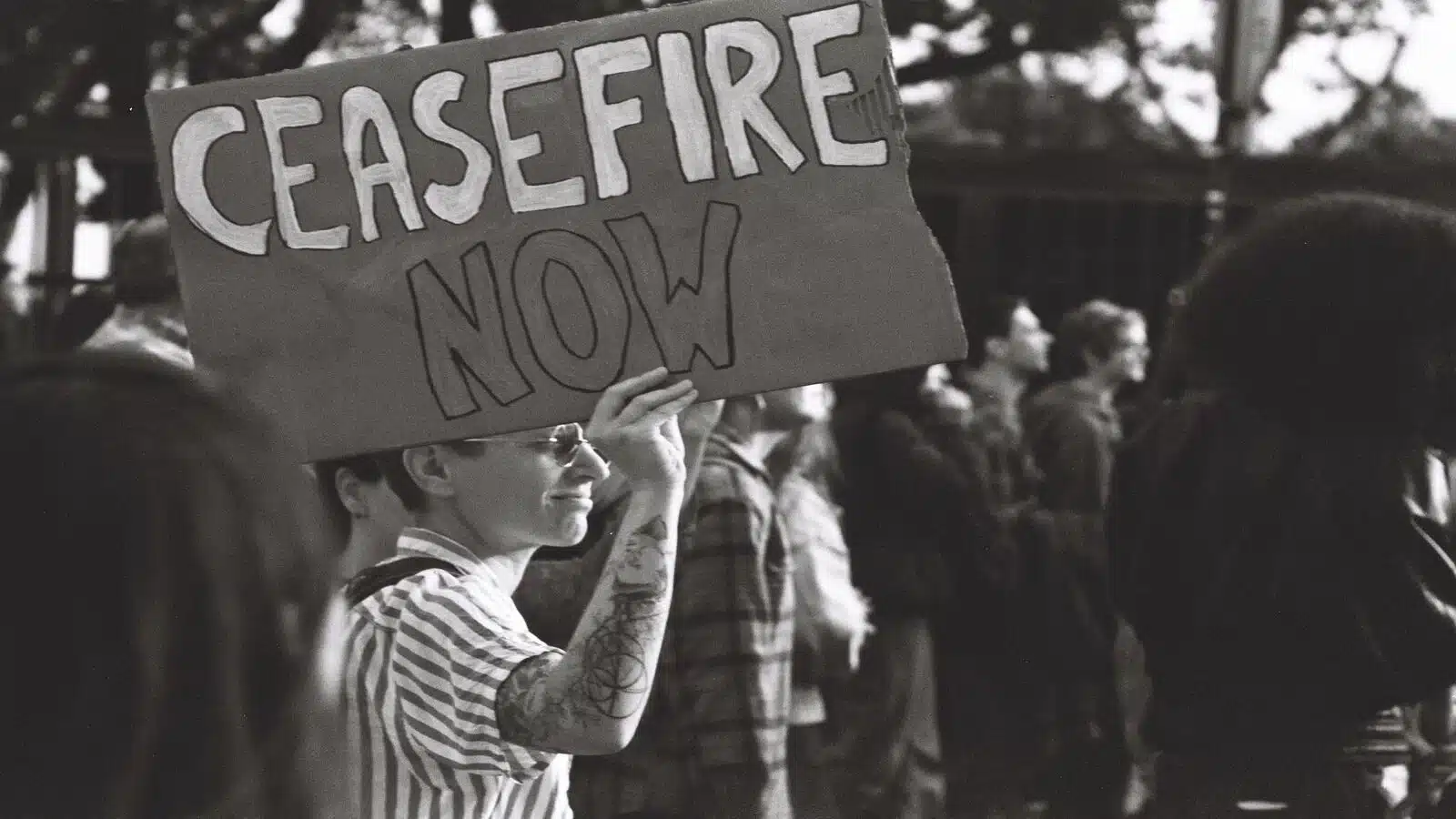
While the ceasefire had been called, the ISW noted that both Prime Minister Benjamin Netanyahu and Defense Minister Israel Katz made posts on X stating that if attacks on Israel continued, the IDF would resume activity and strike back. The ISW cited L’Orient Today reporting on June 2, 2026, where Hezbollah stated that a partial ceasefire with Israel is not acceptable; they demand a complete cessation of hostilities. Iranian Parliament Speaker Mohammad Bagher Ghalibaf made posts to X, cited by the ISW, to have told Lebanese Parliament Speaker Nabih Berri that the negotiations sought a complete end of operations in Lebanon by the IDF.
Posturing: Strait Responses to IDF Operations
The ISW cited Defa Press, which reported IRGC Quds Force Commander Brigadier General Esmail Ghaani threatening to activate the Bab el Mandab Strait as direct retaliation to military operations in Lebanon on June 1, 2026. This was followed by a Mehr News report, according to the ISW, on June 2, 2026, by a senior Houthi official stating their hand was on the trigger. However, the ISW also noted Iran International on X reported that Prime Minister Benjamin Netanyahu’s widened operations in Lebanon may seek to create a divide over negotiations as a diversionary tactic.
Through Defa Press, the IRGC Navy announced that 24 ships navigated the international waterway after obtaining permission through the Persian Gulf Strait Authority (PGSA), according to the ISW. The Defa Press’ coverage of the PGSA announcement added a warning that intelligence control through the Strait, stating evil aliens were not permitted in the waterway. The ISW posits this is part of the longer-term goal to formalize control and authenticate ownership of the Strait with an imposed insurance mechanism.
The ISW cited a ZoomOn article from June 2, 2026, in which Iranian media promoted a $12 billion economic cooperation agreement with Qatar, portraying Iran’s economic resilience. A member of the negotiation team close to Parliament Speaker Ghalibaf warned Iran would withdraw from negotiations if the economic and maritime demands were not met. This remains the sticking point: access to frozen assets, selling oil within the 60-day negotiation period, lifting the blockade, or securing concessions related to the international waterway.
Escalations: New Attacks Begin
The ISW recorded a statement on the Telegram channel mmirleb that Hezbollah claimed attacks targeting the IDF in northern Israel on June 3, 2026. This was the first recorded strike since the ceasefire was struck on June 1, 2026, which Hezbollah claimed was retaliation for IDF airstrikes in Khalde, just south of the capital, Beirut. The Israeli Ambassador to the United States, Yechiel Leiter, said the attack was a direct violation of the partial ceasefire, adding that Israel should be allowed to respond by returning fire on Hezbollah units in Beirut.
The MoriahDoron Telegram channel was cited by the ISW, reportedly Israeli Prime Minister Netanyahu would hold a meeting to determine the response on June 3, 2026. The ISW also cited Al Mayadeen’s interview with Iranian Foreign Affairs Minister Abbas Araghchi, in which he reiterated that Iran and Lebanon were linked in the conflict and that the war would not end until the IDF withdrew from southern Lebanon. Araghchi’s remarks highlighted that a complete cessation of Israeli operations in Lebanon remained a core condition for any agreement, reinforcing Hezbollah’s rejection of a partial ceasefire and framing the June 3 attack within Iran’s stated diplomatic position.
Sovereignty Assertions: The Strait Approach
The ISW reported that the PGSA continued publishing transit data on vessels requesting Iranian permission, including a month-long record of vessels passing through the Strait of Hormuz as of June 3, 2026. Tasnim News framed these updates as evidence of the stabilization of Iranian sovereignty over the waterway. The ISW noted that Tasnim News portrayed the PGSA’s role as an emerging administrative norm rather than a wartime measure, which the ISW assessed is part of Iran’s broader objective to assume control of the waterway.
Ships Have Cascade Effect: Drone Strikes and Ballistic Missiles
The ISW reported that United States Central Command (CENTCOM) updated on X that they had disabled the Iranian‑affiliated Botswana-flagged tanker Lexie on June 2, 2026, for violating the blockade as it approached Iran’s Kharg Island. The ISW cited the Wall Street Journal’s report that Iranian forces retaliated by launching drone attacks at civilian ships seeking to move along the Persian Gulf, with United States forces intercepting three of the drones. Defa Press claimed the IRGC launched anti-ship missiles at the Liberia-flagged MSC Panaya, claiming it belonged to the United States and Israel, according to the ISW.
According to the Wall Street Journal report, which the ISW cited, United States forces conducted self-defensive strikes against ground control drone stations on Qeshm Island. The Wall Street Journal article indicated that the Iranian forces responded with ballistic missiles and drones against United States bases in Kuwait and Bahrain. Kuwaiti Defense Ministry stated in a post on X, cited by the ISW, that the Kuwaiti forces intercepted 13 ballistic missiles and 17 drones.
The ISW noted, from Ben Tzion on Telegram, that two Iranian missiles impacted Kuwait International Airport, leaving one dead and injuring at least 63 civilians, also causing significant damage. According to the Wall Street reporting the ISW cited, the United States and Bahraini air defenses stopped three additional ballistic missiles, including one targeting the United States Fifth Fleet headquarters in Manama. Press TV claimed Iran’s attacks were intended to signal to those in the Gulf that their territory will not be safe if they resume hosting United States Forces, according to the ISW.
Deterrence And Authority
The ISW cited Iranian Supreme Leader Mojtaba Khamenei’s military adviser, Mohsen Rezaei, who posted to X on June 3, 2026, that Iran would not permit the United States to make excessive demands in negotiations and would respond to any military action with a barrage of missiles and drones. The ISW also cited PressTV, which argued that Iran would intensify its responses to military action to deter the United States from taking such action.
The ISW cited a Tasnim News report that Ghalibaf had gathered the governor of the Iranian Central Bank, the head of the Planning and Budget Organization, and the ministers of oil, economy, and industry on June 3, 2026, to coordinate Iran’s economic policy toward the People’s Republic of China (PRC). According to the ISW, this was the first meeting Ghalibaf convened in his role as Iran’s special representative for PRC affairs since Supreme Leader Mojtaba Khamenei appointed him to the position on May 17, 2026. The ISW noted that the meeting was unusual, as parliament speakers do not typically meet government officials to coordinate or implement foreign economic policy.
IRGC‑affiliated Tasnim News Agency previously emphasized on May 17, 2026, that Ghalibaf’s new role carries a different level of authority than previous PRC‑related representative positions.
