
Europe’s Three Migrations Story Falls Apart
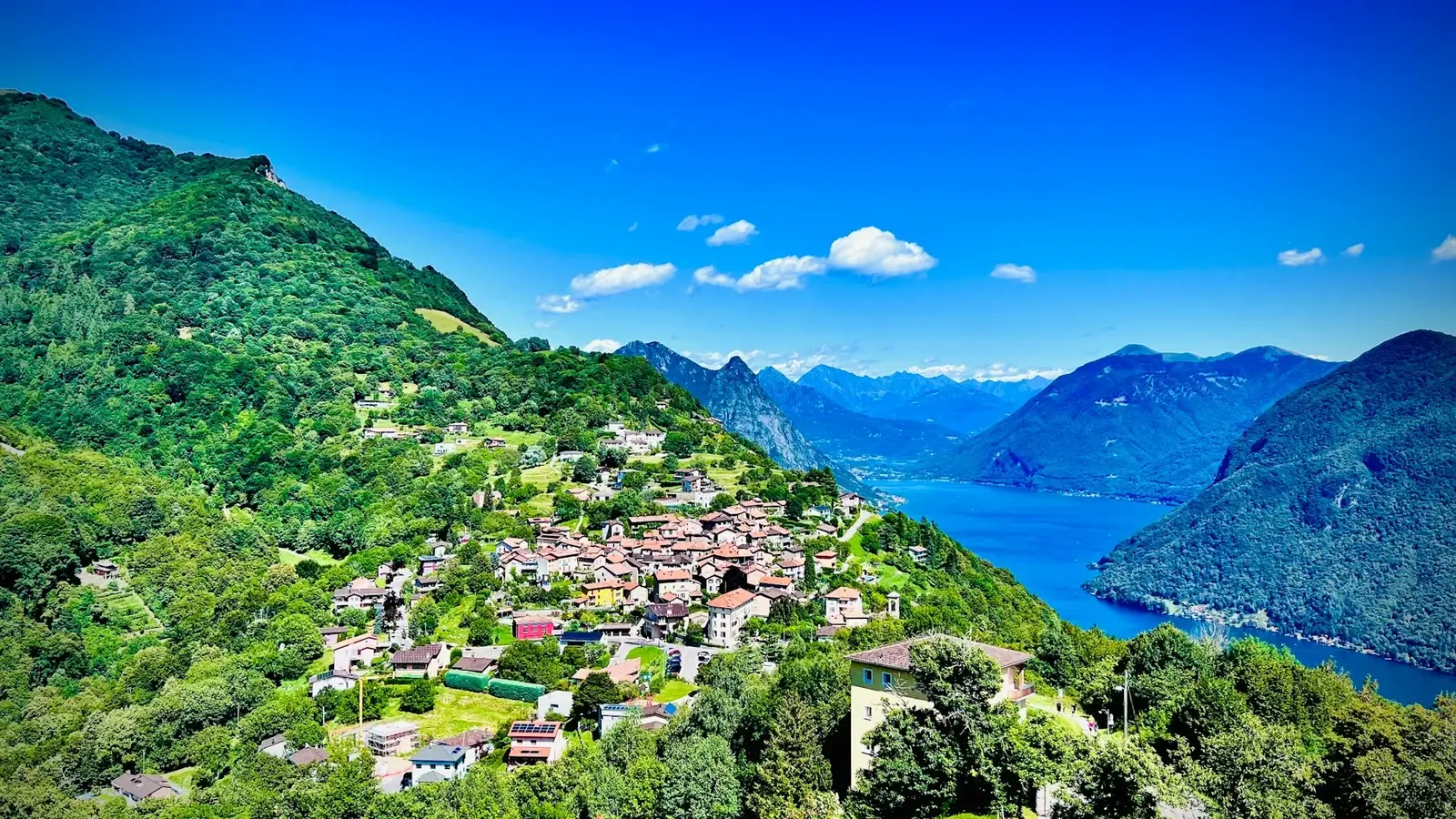
Europe once seemed to have a tidy origin story, with geneticists claiming three massive migrations built the continent’s modern population. Hunter-gatherers arrived first, more than 4,600 years ago, followed by Anatolian farmers around 9,000 years ago, who brought agriculture to the continent. Then came the Corded Ware people from the Russian steppe roughly five thousand years ago, named for the rope-like designs on their pottery and carrying a distinctive genetic signature previously missing from most of Europe.
Hunter-Gatherers Did Not Just Vanish
So, why would anyone believe that three waves tell the whole story of a continent shaped by ice ages, rising seas, and countless small human decisions? Genetically, most present-day Europeans carry some mixture of all three groups, but that neat picture has always hidden more than it has revealed. Our new paper, co-authored with colleagues from the U.S. and across Europe, highlights far more complex interactions among ancient populations, especially in north-west Europe.
The research untangles the origins of prehistoric peoples across Belgium and the Netherlands and identifies the source population for a late Neolithic migration into Britain that replaced 90% of the island’s existing farmers. Early Neolithic farmers moved into Europe and initially interacted very little with the local hunter-gatherer people who already lived there.
Hunter-Gatherer Ancestry Rebounds in Farming Communities
As a result, those first farmers carried genomes that still resembled those of their Anatolian ancestors, showing little mixing with the locals they encountered. But within 1,000 to 2,000 years, something changed dramatically, and the farmers absorbed significant local ancestry from the hunter-gatherers around them. Hunter-gatherer ancestry rose from only 10% to 30% or even 40% in some regions, proving that the original inhabitants had not simply disappeared when farmers arrived.
Clearly, the hunter-gatherer peoples adapted, survived, and eventually blended with the newcomers rather than being outright replaced. That discovery already challenged the simple three-migration model, but the new research from the University of Huddersfield and Harvard goes even further. Does anyone still believe that ancient history unfolded in clean, predictable stages without messy back-and-forth mixing?
Wetlands Preserved a Different Genetic Story
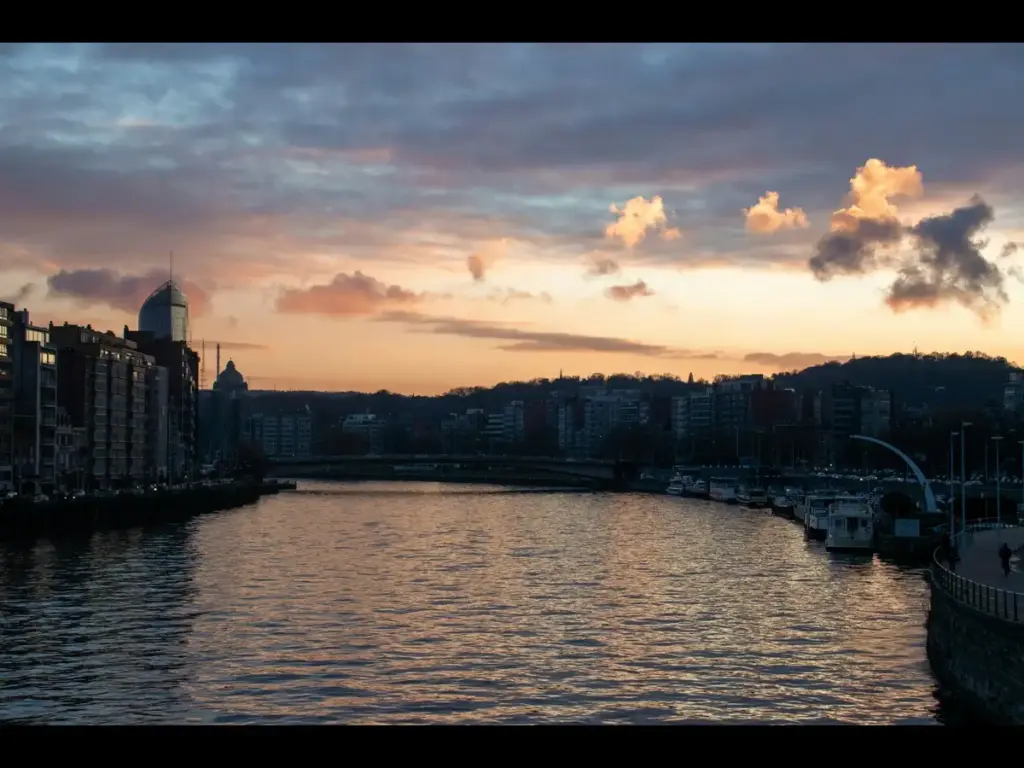
Researchers at the University of Huddersfield began collaborating with palaeoecologist John Stewart from Bournemouth University and archaeologists from the Université de Liège in Belgium nearly a decade ago. They analyzed the genomes of Neolithic human remains excavated along the River Meuse in Belgium, with bones dating back roughly five thousand years.
That work expanded into a larger project led by Professor David Reich and Doctor Iñigo Olalde at Harvard, involving geneticists and archaeologists from across western Europe. The team broadened the focus to include sites across the Lower Rhine-Meuse region, covering wetlands, coastal zones, and river valleys from the late hunter-gatherer cultures through the Bronze Age.
The fertile soils south of the Rhine-Meuse wetlands attracted pioneer Neolithic farmer-colonists as early as 5500 BC, but the northern wetlands offered rich resources better suited to a hunter-gatherer lifestyle. The results came as a huge surprise when the research student Alessandro Fichera generated the data in collaboration with Harvard. Why would wetlands preserve such a different genetic signature compared to drier farming regions just a short distance away?
Local Women Brought Farming to the North
The genomes of people from later Neolithic times in Belgium carried at least fifty percent local hunter-gatherer ancestry alongside the expected Anatolian farmer contribution. Discussing these results with collaborators led to a eureka moment when the same pattern appeared at other sites in similarly water-rich environments across the region.
Notably, earlier Neolithic Dutch samples from farther north, including the Swifterbant culture known for combining hunting with some agriculture, carried nearly 100% hunter-gatherer ancestry. The team then compared Y-chromosomes, which trace male lineage, with mitochondrial DNA, which traces female lineage, and found a striking divide.
The Y-chromosomes in the Belgian remains all matched hunter-gatherer males, but three-quarters of the mitochondrial DNA lineages came from Neolithic farmers living further south. That pattern implies that farming knowledge entered the waterworld hunter-gatherer communities through women who married into those groups from farming societies. Does that finding turn the old assumption on its head that hunter-gatherer women would marry up into farming communities rather than the other way around?
Frontier Mobility Changes Archaeological Thinking
These findings support a version of the frontier mobility or availability model proposed by archaeologists Marek Zvelebil and Peter Rowley-Conwy back in the nineteen eighties. That model envisioned a contact zone between pioneer farming groups arriving by leapfrog colonization and established hunter-gatherer territories. The availability phase involved small-scale movements across the frontier, including trade relations and marriage alliances that gradually formed over time.
A substitution phase followed, during which farming developed alongside foraging in hunter-gatherer areas, eventually leading to a consolidation phase in which farming predominated. The results from Belgium and the Netherlands suggest the frontier allowed much more movement for women than for men, with Neolithic women marrying into forager communities.
Those marriages may eventually have helped hunter-gatherers adopt farming full-time, because the likely long-term alternative to farming was extinction across a continent dominated by agriculture. Could this same model apply to other parts of Europe, where later Neolithic populations also show increased hunter-gatherer ancestry without clear evidence of conquest or replacement?
Beaker People Reshaped Everything Again
Around 4,600 years ago, another wave of settlers began moving into the Rhine area, this time pastoralist-farmers, ultimately from the Russian steppe, known as the Corded Ware culture. As growing numbers arrived from the east, that culture transformed into what researchers call the Bell Beaker culture, though nobody fully understands exactly how that change happened.
Within a few centuries, the genetic landscape of the Rhine-Meuse region, including the wetlands, was completely reshaped beyond recognition. The team found that 4,400 years ago, less than 20% of the ancestry in that region traced back to the earlier farmers and hunter-gatherers who had lived there for thousands of years.
At least eighty percent of the ancestry now came directly from the steppe, marking one of the most dramatic genetic turnovers documented anywhere in ancient European history. The Bell Beaker people expanded rapidly in all directions, creating the Bronze Age of central Europe and crossing the English Channel into Britain as far north as Orkney. Did the British farmers who built Stonehenge over preceding centuries simply vanish, or will future research reveal a more nuanced picture of their disappearance?
Steppe Ancestry Dominates But Does Not Erase
The dramatic genetic replacement in the Rhine-Meuse region raises hard questions about what actually happened to the earlier populations. Less than twenty percent of the local ancestry survived the Bell Beaker arrival, meaning most of those farmers and hunter-gatherers either died, moved away, or failed to reproduce at the same rate as the newcomers.
That pattern mirrors what researchers found in Britain, where Neolithic farmers building Stonehenge all but disappeared after the Bell Beaker expansion. The reasons for that disappearance remain unclear, with possibilities including disease, warfare, social collapse, or simple demographic swamping by larger incoming populations. Perhaps this blunt picture of replacement might also become more nuanced as researchers learn finer details from archaeology and ancient DNA.
The same thing happened with the earlier assumption that hunter-gatherers vanished when farmers arrived, and that story turned out to be far more complex. Could it be that the Bell Beaker takeover also involved more intermarriage and cultural exchange than current evidence suggests, with the right samples still needed to reveal the full truth?
DNA Continues Rewriting European Prehistory
The simple story of three massive migrations building modern Europe has crumbled under the weight of new ancient DNA evidence from wetlands, rivers, and coastal sites. Hunter-gatherers did not vanish when farmers arrived; instead, they mixed, adapted, and contributed significant ancestry to later populations, especially in water-rich environments.
Women played a crucial role in spreading farming technology across the frontier between societies, with Neolithic women marrying into hunter-gatherer groups rather than the reverse. The Bell Beaker people later reshaped the genetic landscape again, but even that dramatic replacement may mask subtler interactions waiting to be discovered.
Researchers now recognize that ancient history unfolded through countless small decisions, marriages, migrations, and adaptations, not just three tidy waves from the east. The fertile soils and wetlands of north-west Europe preserve these complex stories in the bones of people who lived and loved and died along the River Meuse thousands of years ago. Europe’s genetic past refuses to sit still in a simple box, and every new excavation seems to add another layer of beautiful, human complexity to the tale.
Additional News from Total Apex Herald
- Brain Aging May Begin With Protein Factory Failures, Stanford Researchers Find
- Arctic Ocean Losing Critical Nutrient as Climate Change Threatens Marine Food Web
Where to Check Out All Things Entertainment, Gaming, and Current Affairs
Social Media from David Gilbert
You can also explore more of David Gilbert’s reporting and analysis across Total Apex Entertainment and Total Apex Herald.
